
A Single-Player Game Should Never Go Down With Xbox Live
A network outage should interrupt the things that need a network. Multiplayer matchmaking stops. Cloud saves wait. Friends lists disappear for an afternoon. Those failures are irritating, but the dependency is obvious. A solo campaign installed on local storage is different. When that game refuses to launch because a distant sign-in or licensing service has failed, the network is no longer supporting the experience. It has become a lock on the door.
That distinction became visible during the July 27 Xbox disruption. MP1st reported errors affecting sign-in, libraries, and game launches, including reports from people trying to open single-player titles. The outage was not just a red status icon beside a social feature. For some players, it reached backward into software already sitting on their machines.
Xbox CTO Scott Van Vliet later called the situation unacceptable and described a post-incident review, according to VGC's report on his explanation. He focused on why one service could affect so much, why recovery took so long, and how dependencies beneath sign-in and game launch should be hardened. That is the correct engineering question. The product question is whether some of those dependencies should exist at all.
Resilience is more than better servers
The natural response to a platform outage is redundancy: isolate failures, shift traffic, improve monitoring, and recover faster. All of that matters. But no cloud architecture is perfect, and a service designed around continuous availability will eventually encounter the event it did not predict. The strongest fallback for a local single-player game is not another data center. It is a local path that does not ask permission.
Licensing systems have legitimate work to do. They enforce purchases, manage subscriptions, coordinate home-console sharing, and limit abuse. Those checks do not need to happen at every launch. A platform can cache a durable entitlement, provide a generous offline window, and make the failure mode favor the paying customer. Fraud prevention should not transform temporary uncertainty at the server into immediate denial on the console.
The home-console setting already attempts this, but a protection that depends on users predicting an outage is incomplete. People replace hardware, travel, share devices, and switch between purchased and subscription games. Offline behavior should be automatic for a recently verified local account, then clearly explain when a limited entitlement will expire. Resilience cannot be hidden behind a setting most customers discover only after the network is unavailable.
A useful test would be simple: disconnect every retail console in certification and ask which installed modes still function. Publish the result on the store page. That would turn offline support from a vague promise into a product property, give developers a target, and let buyers distinguish a locally owned campaign from one that happens to store most of its data locally.
This becomes even more important as libraries mix purchases, subscription access, backward-compatible titles, and disc licenses behind one interface. The menu makes them look equally present, but their failure modes differ. Clear ownership labels and offline tests would help players understand what will work before the internet disappears. A library should not reveal its hidden architecture only during an emergency.
Convenience should degrade gracefully
Cloud features improve solo games. Save synchronization makes moving between devices painless. Server-side settings can simplify support. Cross-device ownership can feel almost magical when it works. The right standard is not to remove the network from everything. It is graceful degradation: keep the campaign playable, queue the save for later, explain which features are unavailable, and reconnect without punishing the user.
Developers share responsibility. A platform can offer offline entitlements, but a game that requires a publisher account or a permanent connection can rebuild the same weak point one layer higher. Certification rules should make offline behavior visible, and store pages should state plainly when a single-player mode depends on outside services. Players should be able to evaluate that condition before buying.
Publishers will argue that online checks support cross-progression, anti-tamper systems, telemetry, and a consistent service across devices. Those benefits are real, and some games simulate worlds that cannot exist locally. The category should remain narrow. A conventional campaign with all required logic and assets installed should not inherit permanent connectivity merely because the account framework makes it convenient.
The industry implication reaches beyond one bad evening. Every dependency becomes future preservation debt. When authentication services are retired, a game built to fail open can remain playable; a game built to request permission becomes a shutdown project. Offline resilience protects today's customer and tomorrow's archive with the same design decision.

This standard would also improve accountability after incidents. An outage report should separate unavailable network features from local modes that were incorrectly blocked, explain the dependency responsible, and name the fallback being added. Broad uptime statistics can hide the severity of one avoidable denial. Players need evidence that the architecture changed, not only reassurance that engineers learned from it.
Microsoft's promise to harden the system is welcome. The better measure of success will not be whether the next outage ends faster. It will be how little an outage can take with it. Friends lists may go dark and multiplayer may pause; those are honest consequences of a broken network. A campaign on the internal drive should simply open. If it cannot, the service has been placed between the player and the game for the platform's convenience, not theirs.

Related posts

Indiana Jones and the Great Circle Understands Adventure Needs Quiet Spaces
An analytical look at how first-person exploration, puzzles, and improvised tools can turn familiar mechanics into choices players can understand and remember.
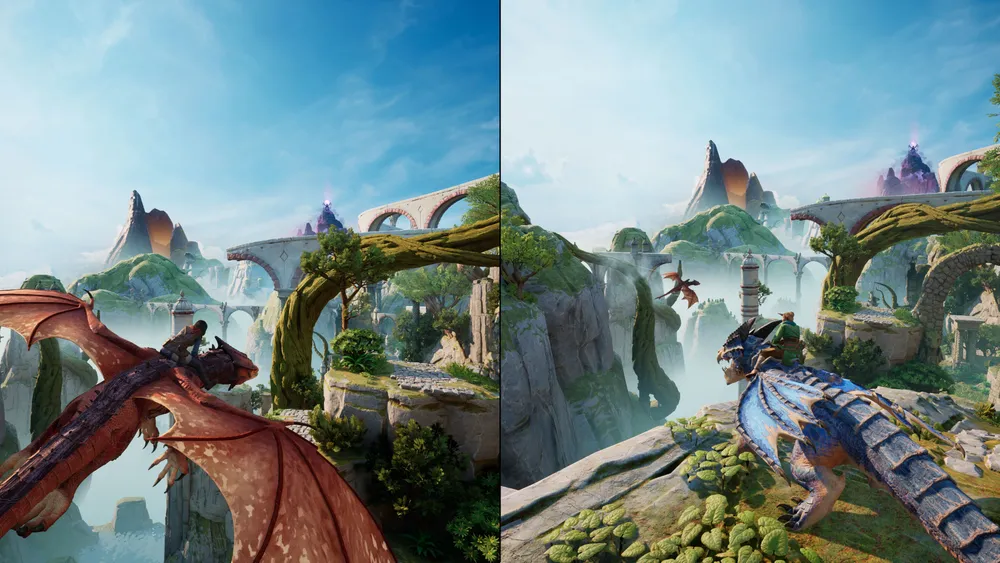
Split Fiction Shows Co-Op Works When Players Need Different Things
An analytical look at how two writers, split abilities, and asymmetric co-op can turn familiar mechanics into choices players can understand and remember.
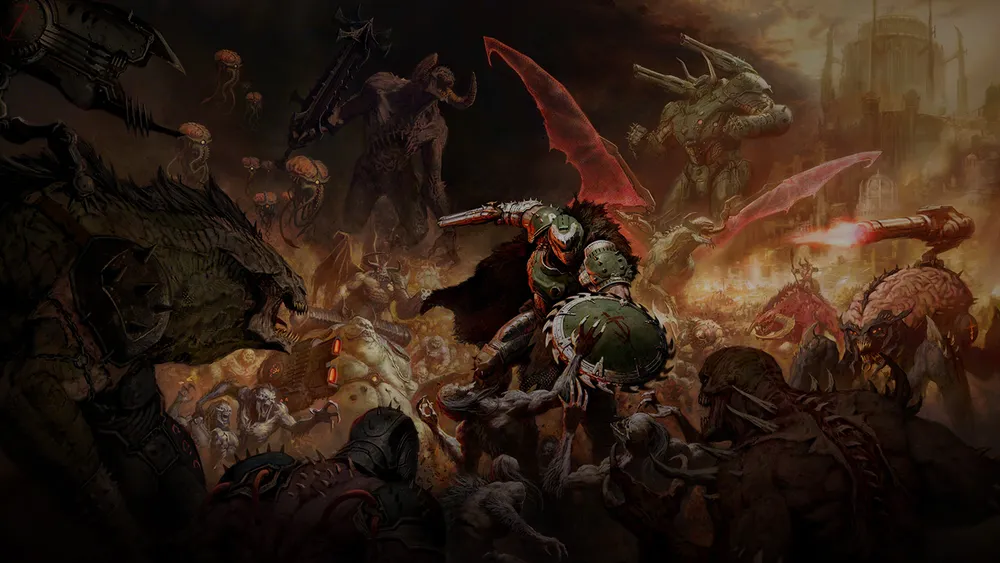
DOOM: The Dark Ages Makes a Power Fantasy Stronger With Limits
An analytical look at how the Slayer Shield, parries, and deliberate aggression can turn familiar mechanics into choices players can understand and remember.
The Alters Knows Survival Games Need a Human Cost
An analytical look at how survival, a mobile base, and alternate versions of Jan can turn familiar mechanics into choices players can understand and remember.