
PuzzleGames

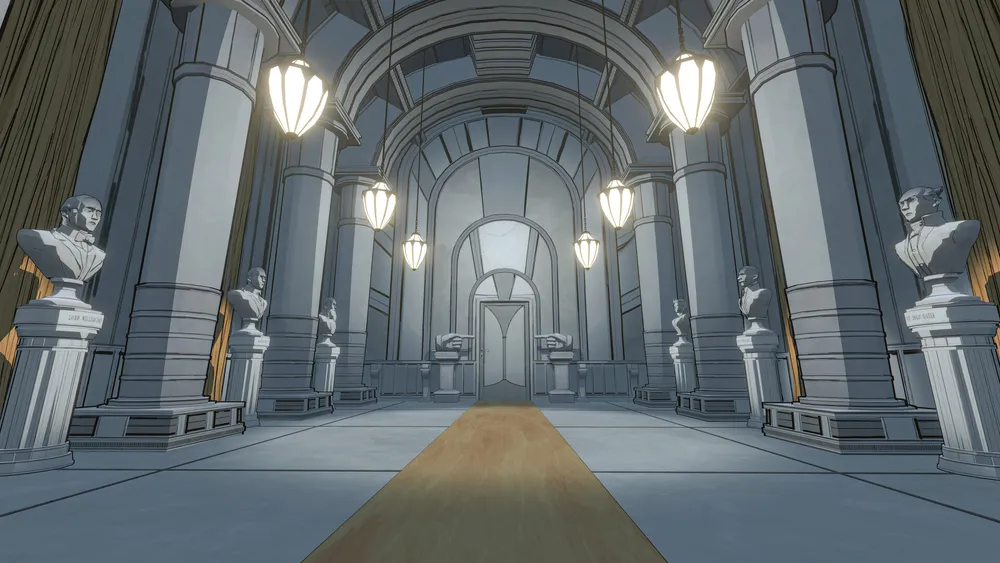
Blue Prince Makes a House Feel Like a Question

Blue Prince turns a changing floor plan into a puzzle about memory, evidence, and deliberate uncertainty. Its rooms matter because discovery is legible without being handed over.

·3 min read

Latest posts from Nerdrassil

RpgGames

Like a Dragon: Infinite Wealth Makes Side Stories Matter

Like a Dragon: Infinite Wealth understands that optional stories are not spare content. They give an RPG a second language for character, comedy, and place that the main plot cannot always use.

·3 min read
ActionGames

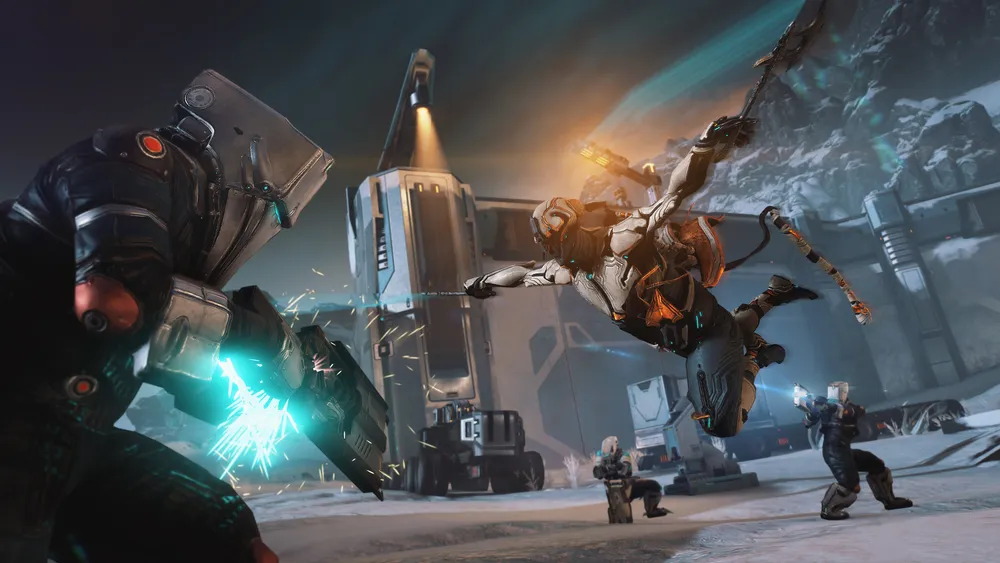
Warframe: 1999 Changes the Mood Without Losing the Game

Warframe: 1999 gives a long-running live game a different city, era, and mood while anchoring the shift in recognizable combat and progression. That is a stronger form of expansion than another stat ladder.

·3 min read
SimulationGames

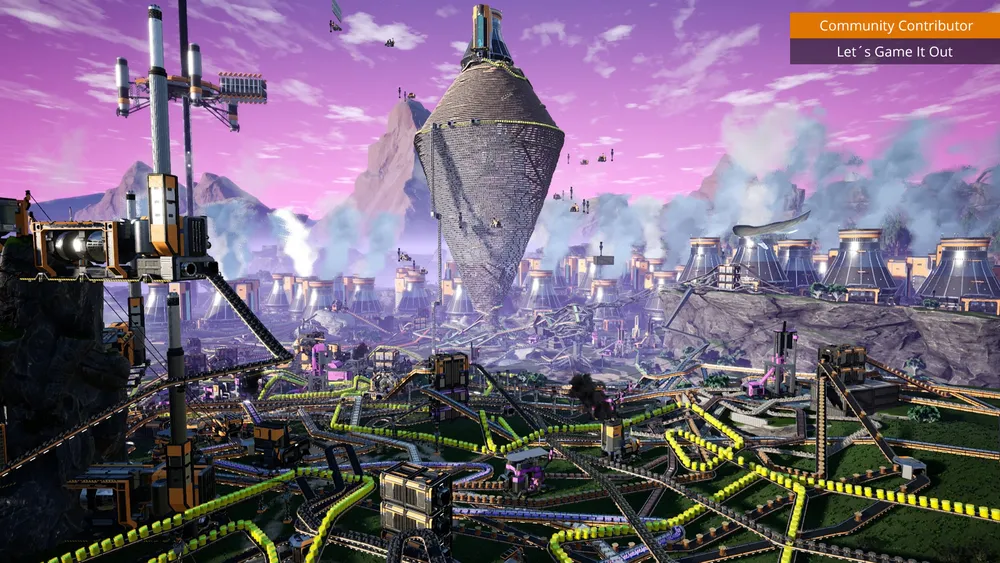
Satisfactory 1.0 Proves Factory Games Need an Ending

Satisfactory's full release shows why endlessly expandable systems still need a conclusion. A finish line gives a factory's complexity direction without stopping players from building beyond it.

·3 min read
MetroidvaniaGames

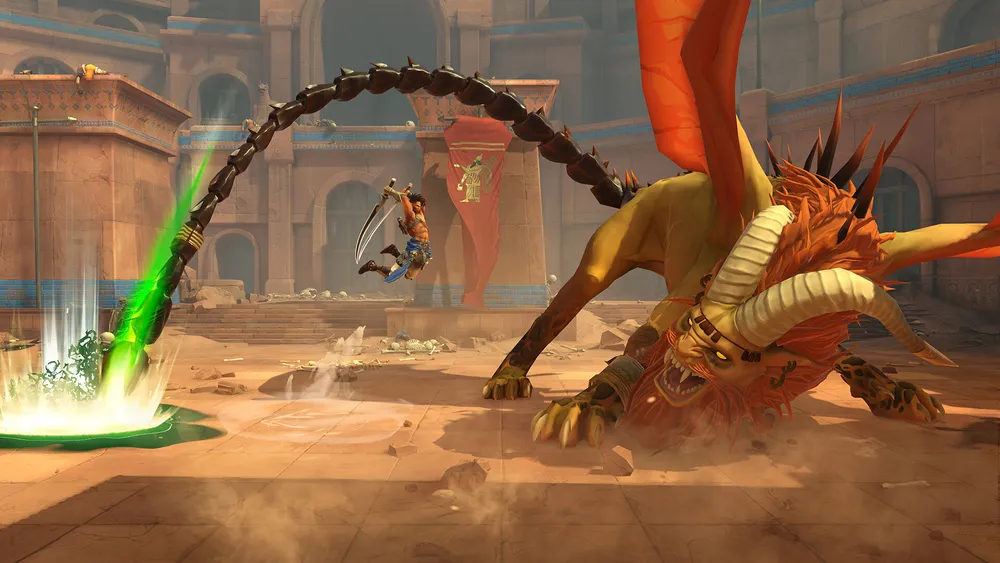
Prince of Persia: The Lost Crown Makes Movement the Map

Prince of Persia: The Lost Crown succeeds as a metroidvania because its movement powers, combat, and route knowledge describe the same space. Progress feels like understanding, not like collecting keys.

·3 min read
SurvivalGames

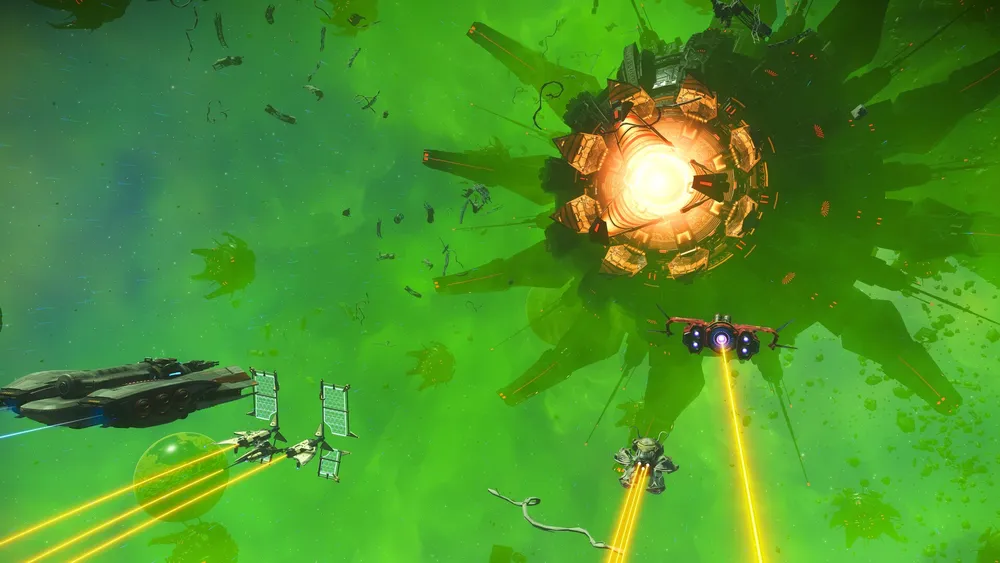
No Man's Sky Updates Work When They Change a Place

No Man's Sky is at its most persuasive when an update changes how a planet feels to cross and remember. Worlds Part II ties new systems to place, atmosphere, and discovery instead of a disconnected checklist.

·3 min read
Third Person ShooterGames

Helldivers 2 Warbonds Should Add Roles, Not Homework

Helldivers 2 is strongest when a Warbond gives squads a different tactical language. New gear should create sidegrades and cooperation, not another permanent checklist or power ladder.

·3 min read