
Monster Hunter Wilds Needs a Hunt to Be More Than a DPS Check
A hunt becomes dull when the monster is only a large health bar with an armor calculation attached. Monster Hunter has always offered a richer fantasy: study a creature, prepare for a place, recognize a dangerous moment, and turn a small opening into a coordinated answer. Monster Hunter Wilds has the chance to make those layers matter together. If the whole experience collapses into repeating the safest damage rotation, the spectacle remains but the hunt disappears.
Capcom's official Wilds site presents changing environments, living creatures, and hunts that can be approached alone or with other players. Capcom also confirmed cross-play for the game. Those are not merely feature bullets. Weather, terrain, and a mixed-platform party should change preparation, positioning, and communication. Otherwise they are expensive scenery around the same encounter every time.
A useful hunt should ask one more question before the first blow lands: what can this terrain, this creature, and this particular group of hunters make possible today? That question gives equipment selection a context and lets the world participate in the fight rather than watching it from behind a pretty horizon.
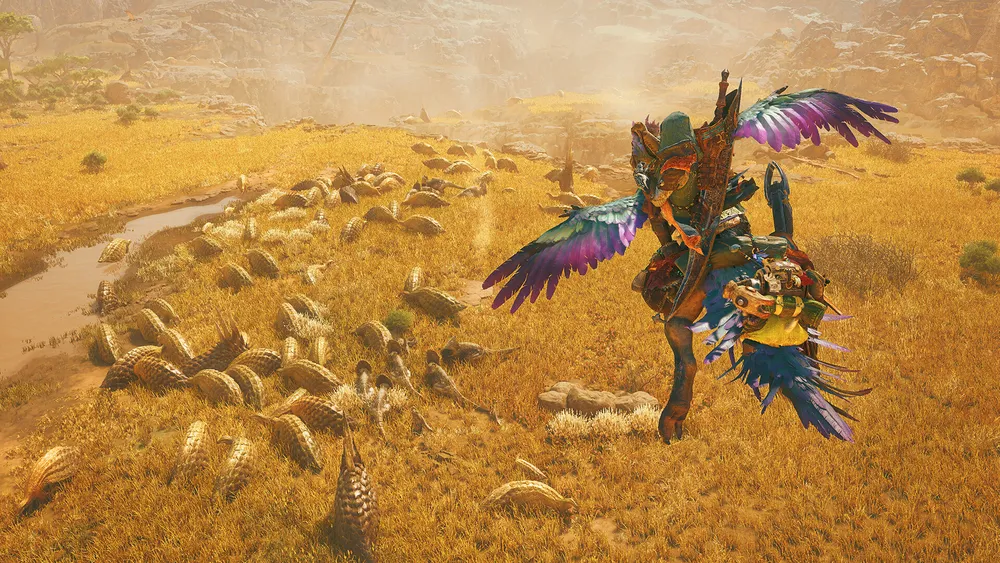
Preparation must survive contact
Preparation works when it is informed but not predetermined. A player should bring a resistance, tool, or weapon plan because they understand a threat, then still have to adjust when the hunt moves, a storm changes visibility, or a teammate needs cover. That creates a useful tension between knowledge and execution. The ideal hunt rewards a good plan without making a second plan impossible once the monster refuses to cooperate.
There is a counterargument that too many environmental checks create homework. Players should not need a browser tab full of recipes before they are allowed to have fun. The answer is clearer in-game information and tools that offer different advantages, not a thinner world. A player can learn a creature's behavior through readable animations, tracks, and changing terrain while still benefiting from preparation that feels like a choice rather than a tax.
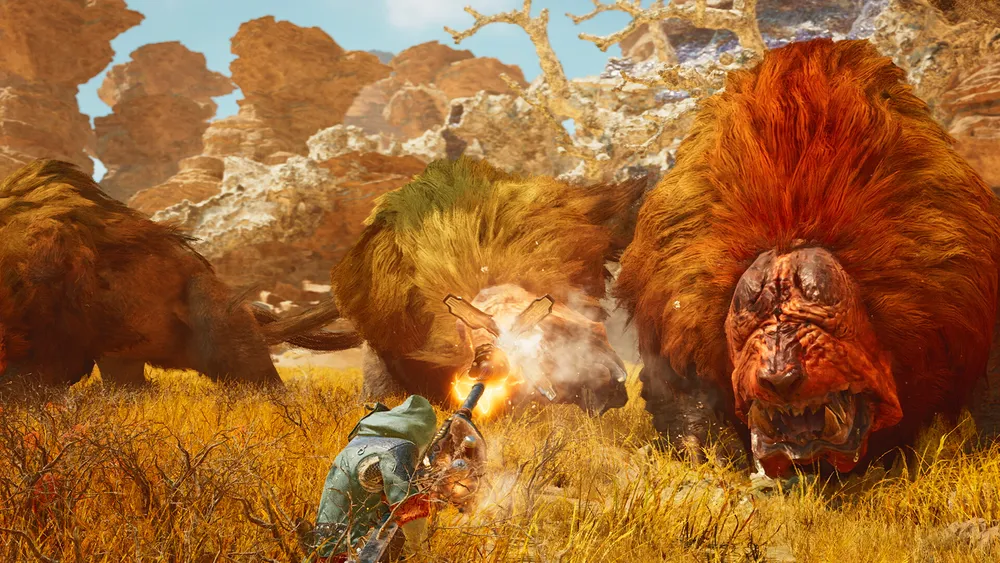
Teams need readable jobs
That also protects different skill levels. A new player can contribute by reading a monster's movement, using a support tool at the right time, or creating breathing room, while an expert can pursue a sharper damage window. If every meaningful contribution is hidden inside an optimized rotation, the series loses one of its best reasons to hunt together.
Co-op becomes memorable when one player creates an opening, another protects it, and a third recognizes when the plan has gone wrong. Cross-play makes that social possibility larger, but it does not guarantee it. Wilds should make support, control, damage, and recovery visible enough that strangers can cooperate without a lecture. A great hunt is not a perfect parse. It is a shared recovery from a creature that made the original plan look foolish.
That is the standard Wilds should chase. Let numbers matter, but make them the result of observation, timing, preparation, and teamwork. When the hunt has a life before the DPS check, winning feels like understanding a living world instead of merely emptying another bar.

Related posts

Beast of Reincarnation Is the Reinvention Game Freak Needed
Game Freak's new action RPG is valuable because it cannot be mistaken for Pokémon. A different scale, tone, and combat language can reveal strengths hidden by one defining franchise.
The Blood of Dawnwalker Is Right to Put the Game Before the Sales Target
Rebel Wolves says sales are secondary to making the RPG it believes in. That creative priority is healthy, provided ambition is matched by disciplined scope and honest production.

Rise of the Ronin Shows the Best Thing a Subscription Can Do
Subscription catalogs are at their best when they create a second launch for a game that was easy to overlook. Rise of the Ronin is a better argument for PS Plus than another day-one content race.
Spirit Vale's Early Access Launch Buckled Under Its First Crowd
Spirit Vale's July 15 Early Access launch drew a surge of negative Steam reviews as servers, portals, waypoints, and skills failed. Its rapid hotfixes now matter more than the launch label.