
Silent Hill 2 Remake Works Best When It Leaves You Uneasy
A psychological-horror remake has a trap waiting at every technical upgrade. Better lighting can make every room easier to read. A closer camera can turn a distant suggestion into a clear answer. More dialogue can explain a pause that once invited suspicion. None of those tools is automatically wrong, but Silent Hill 2 has never depended on information alone. Its power comes from the feeling that the town is showing James Sunderland something, hiding something, and perhaps allowing him to misunderstand both.
Konami's 2026 milestone update says the remake passed five million cumulative players and describes expanded areas, an over-the-shoulder camera, revamped combat, new cutscenes, and evolved graphics and sound. The official product page still centers James receiving a letter from his deceased wife and meeting Maria by the lake. Those facts make the central creative test clear: modernization should make the familiar uncertainty more immediate, not sand it down into a fully explained route through a famous story.
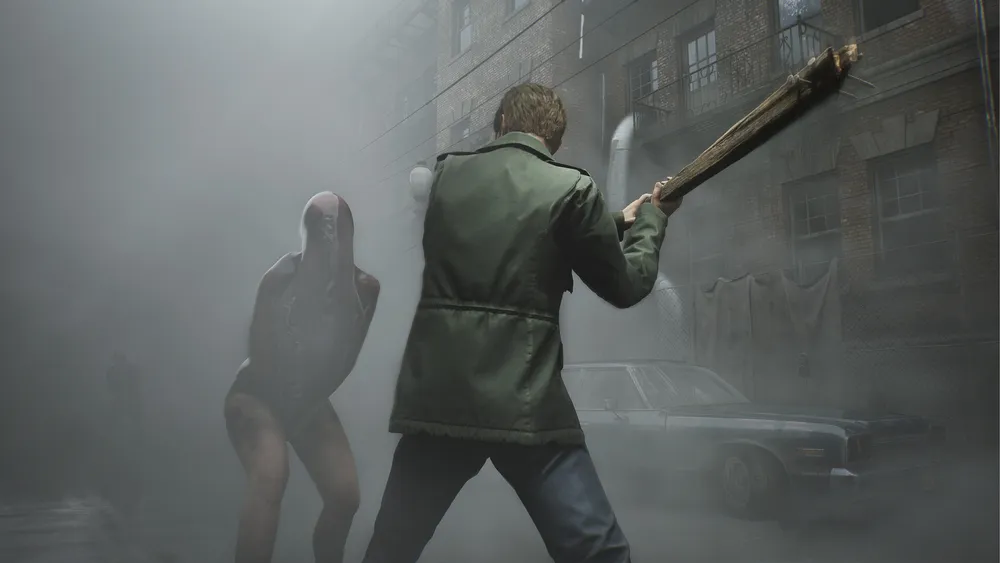
Horror needs room for doubt
Ambiguity is not a refusal to do narrative work. It is a demand that the player participate in that work. A strange sound, a partially seen figure, or a room that seems to remember something can be more frightening when it does not arrive with a label. Silent Hill 2's perspective makes that especially important. The town is not a neutral museum of lore. It is experienced through a character whose understanding of himself is incomplete, defensive, and painfully selective.
A remake can use new tools to make that perspective more physical. Better sound can make an unseen threat feel close without identifying it. More detailed environments can make decay feel personal rather than decorative. An over-the-shoulder view can heighten vulnerability if it does not turn every corridor into a shooting-gallery sightline. Technology earns its place when it intensifies the player's uncertain relationship with a space, rather than providing a cleaner encyclopedia entry for it.
More content is not always more meaning
Expanded areas and new scenes can be welcome if they give existing themes a different pressure point. They become a problem when the remake treats every empty patch in the original as a missing explanation. Psychological horror needs silence, awkward duration, and the confidence to leave a room unresolved. A map with fewer answers can feel larger than one stuffed with notes, collectibles, and explicit connections because the player has to carry its uncertainty forward.
The counterargument is that a modern remake should make its story accessible to people who did not grow up with its conventions. That is true, and obscurity is not the same as subtlety. Clear controls, readable objectives, and accessible settings support more players without flattening the fiction. The line is crossed only when clarity of play becomes certainty of interpretation. Silent Hill 2 can guide a player through an encounter while still refusing to tell them exactly what the encounter means.
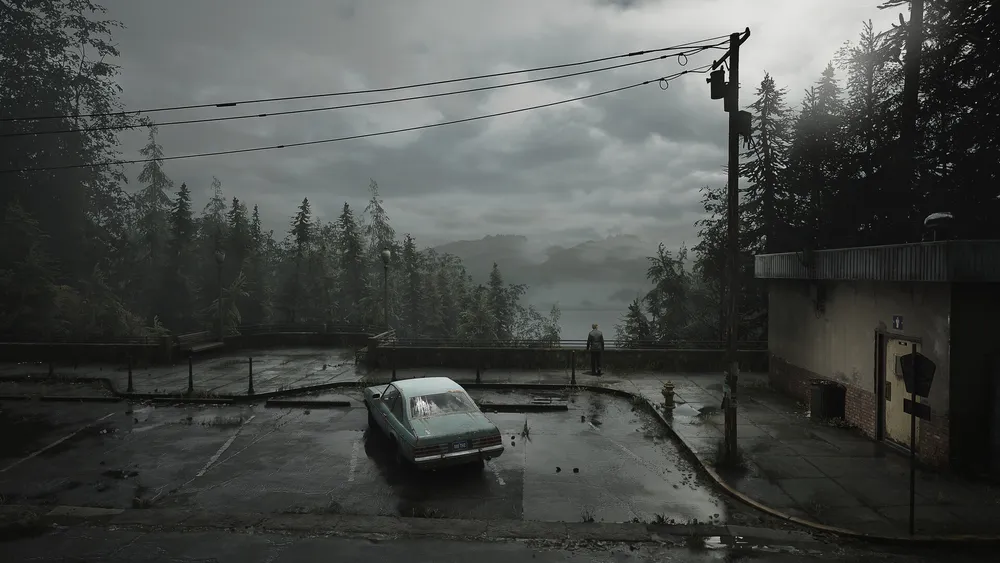
The remake's success should not be measured by how completely it renders the fog. It should be measured by whether the fog still has somewhere to live in the player's mind after the scene ends. Silent Hill 2 works best when modern craft makes its unease sharper while leaving the crucial question intact: is the town revealing the truth, distorting it, or asking James to do both at once?

Related posts

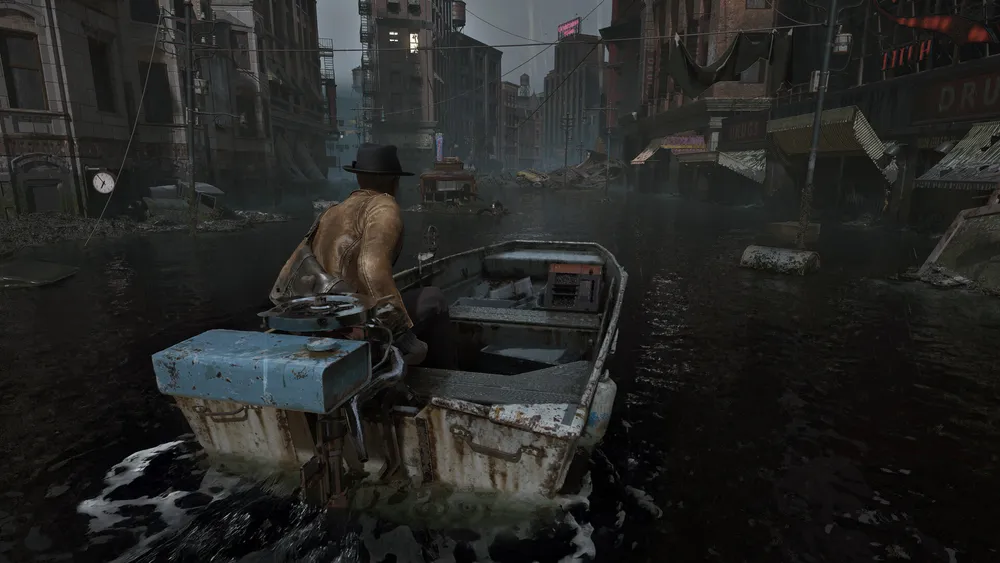
The Sinking City 2 Is Right to Become a Survival Horror Game
The Sinking City 2 can preserve the original's Lovecraftian mystery without preserving its open-world routine. Survival horror gives scarcity, space, and investigation the same purpose.
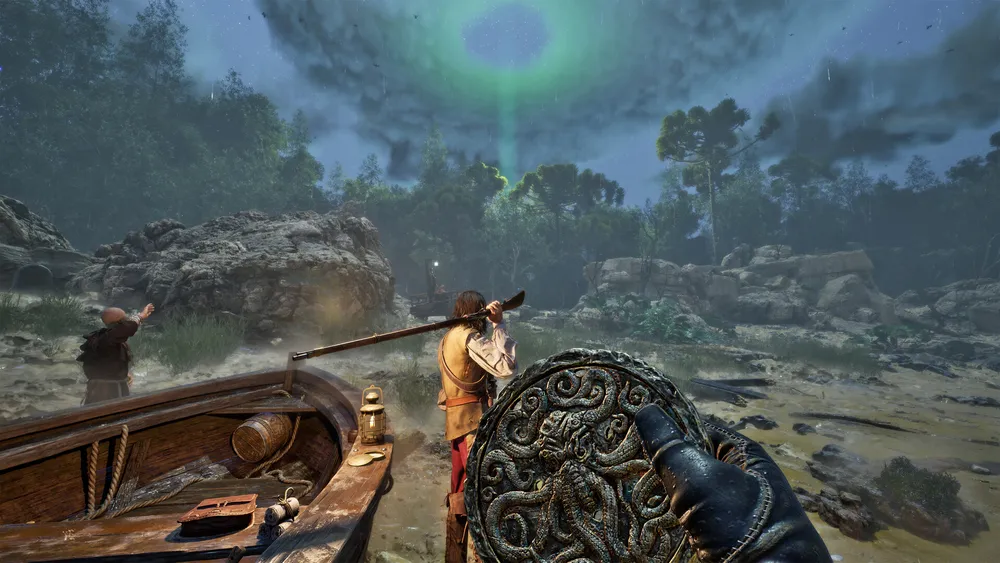
The Mound's Launch Proved Atmosphere Cannot Carry Missing Basics
The Mound: Omen of Cthulhu has a sharp Lovecraftian co-op premise, but its launch exposed missing defensive tools, social friction, and progression that needed more time.
Kojima's OD Is Safe From Xbox Cuts, For Now
Anonymous-source reporting says Hideo Kojima's OD remains in development during Xbox's reset. Its cloud partnership and famous collaborators make it unusual, but Microsoft's motive is not public.
Blue Prince Makes a House Feel Like a Question
Blue Prince turns a changing floor plan into a puzzle about memory, evidence, and deliberate uncertainty. Its rooms matter because discovery is legible without being handed over.