
The Sinking City 2 Is Right to Become a Survival Horror Game
Sequels are often asked to preserve a game's structure even when that structure was only one attempt to express the original idea. The Sinking City was remembered for its flooded Lovecraftian setting, investigative mood, and the sense that knowledge could make a situation worse. Its open-world routines were not equally essential. The Sinking City 2 is right to separate the identity from the format and rebuild the series as survival horror.
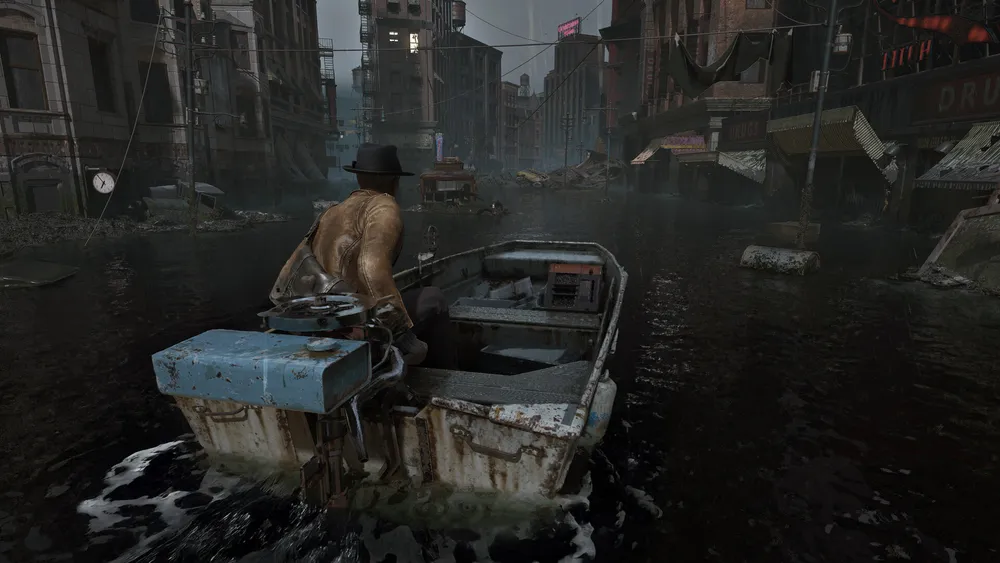
Frogwares presents the sequel on its official Steam page as a survival horror game set in the flooded city of Arkham, with exploration, combat, resource management, and optional investigation. That shift may sound like a retreat into a familiar genre. In practice, survival horror offers a set of tools unusually compatible with cosmic dread: limited certainty, spaces that grow hostile through repetition, and resources that make every act of curiosity carry a price.
An open world promises freedom, but its production logic can weaken horror. Repeated combat encounters turn monsters into traffic. Abundant markers convert investigation into navigation. Long trips teach the player which streets are merely connective tissue. The more often a threat must fill the map, the more predictable it becomes. Cosmic horror depends on the suspicion that ordinary rules will fail, while a large checklist depends on rules remaining consistent enough to manage.
Scarcity can unify the mystery
Survival horror makes space meaningful by attaching decisions to movement. A locked door is not simply an icon awaiting the correct key. It is a future route, a potential refuge, and a reason to remember the building's shape. Returning through a corridor after spending ammunition changes how that corridor feels. The city can become knowable without becoming safe.
Resource limits also give investigation a mechanical cost. Searching a room for evidence may consume health, ammunition, or time. The player is not just choosing which dialogue branch sounds intelligent; they are deciding how much danger an answer is worth. That relationship suits a setting in which forbidden knowledge is supposed to have consequences.
Optional investigation is particularly promising if optional truly describes the player's agency. Clues can reveal a safer route, explain a creature, complicate a moral judgment, or change the interpretation of an ending without becoming mandatory errands. The series can preserve detective work by making it affect survival and understanding rather than by recreating the exact case structure of the first game.
Genre change creates new dangers
Survival horror is not automatically a better home for Lovecraft. It can reduce incomprehensible beings to enemies whose weak points must be learned, resources optimized, and attack patterns mastered. Once the player understands that three shots solve every encounter, the unknowable has become another inventory calculation. Better combat can improve the game while shrinking the horror.
Frogwares must therefore resist making every mystery answerable through violence. Some creatures should be avoided, redirected, or endured. Some discoveries should alter the environment instead of granting an upgrade. Combat should create relief without providing complete authority. The player can become more capable while remaining unsure whether capability is enough.
There is also a risk of losing the first game's unusual investigative identity amid familiar genre references. Dark corridors, scarce shells, and storage boxes are a grammar, not a personality. Arkham needs civic history, strange institutions, unreliable testimony, and neighborhoods whose decline suggests more than monster infestation. The city should feel diseased by ideas as well as creatures.
A sequel should preserve the reason, not the routine
For players, the shift can produce a more deliberate game. A smaller or denser world reduces travel without reducing discovery. Better encounter design can make each confrontation matter. Investigation tied to space can reward observation instead of marker clearing. These are not concessions to a narrower genre. They are ways of concentrating the experience around what made the setting compelling.
For Frogwares, changing genres is also a statement that a sequel can revise its own assumptions. Too many follow-ups preserve map scale, activity counts, and progression systems because those features are easy to list in a comparison. Creative continuity is better measured by whether the new design creates the same essential feeling with greater precision.
That precision includes pacing outside combat. Safe rooms, quiet investigation, and stretches without an enemy give players time to form theories before the next threat interrupts them. Constant pressure can be as numbing as an empty open world. Survival horror needs contrast: enough safety to create attachment to a place, then enough uncertainty to make returning there feel dangerous.
Difficulty settings should preserve that economy rather than only changing damage. Players vary in how they read navigation, tolerate scarcity, and execute combat, so adjustable aim support, puzzle guidance, and resource balance can widen access while retaining consequence. The goal is not one approved level of suffering. It is a coherent relationship between curiosity and risk.
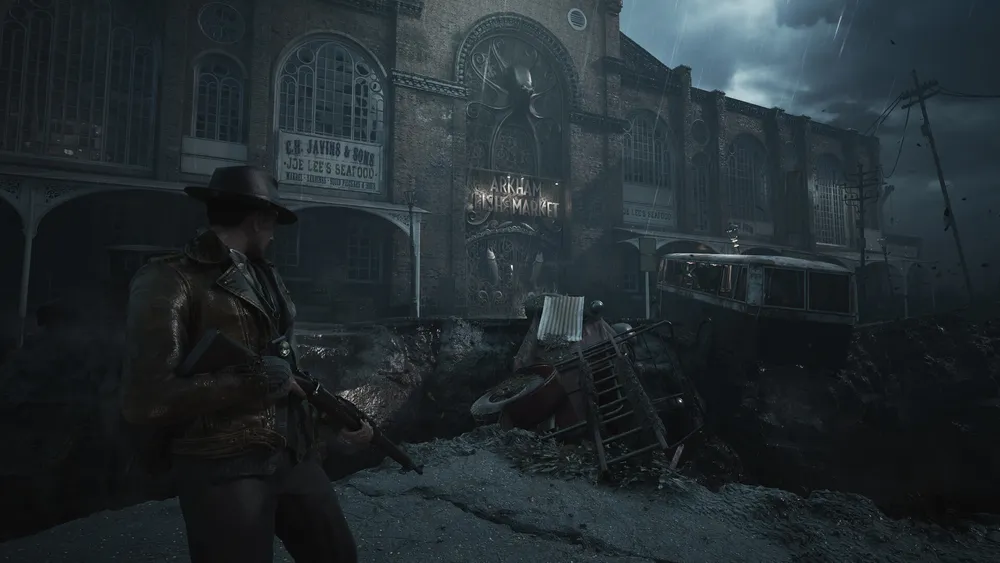
The Sinking City 2 does not owe the original game a larger map or a longer list of cases. It owes the series an oppressive city, dangerous curiosity, and mysteries that remain unsettling after their evidence has been collected. Survival horror is the right move if it lets every bullet, door, clue, and flooded street contribute to that promise.

Related posts

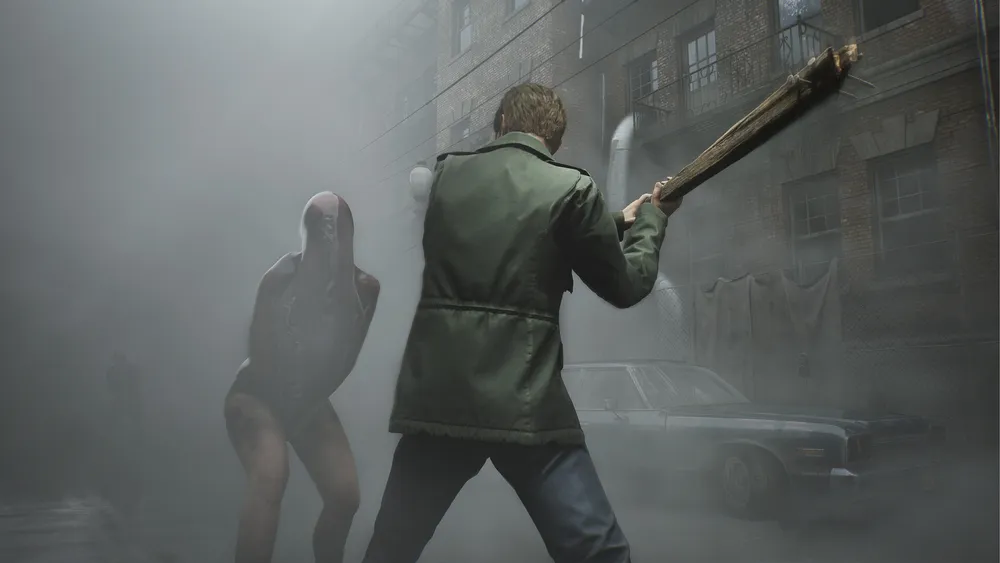
Silent Hill 2 Remake Works Best When It Leaves You Uneasy
Silent Hill 2's remake has room to modernize its presentation, but its psychological horror works only when new technology sharpens uncertainty instead of explaining the town away.
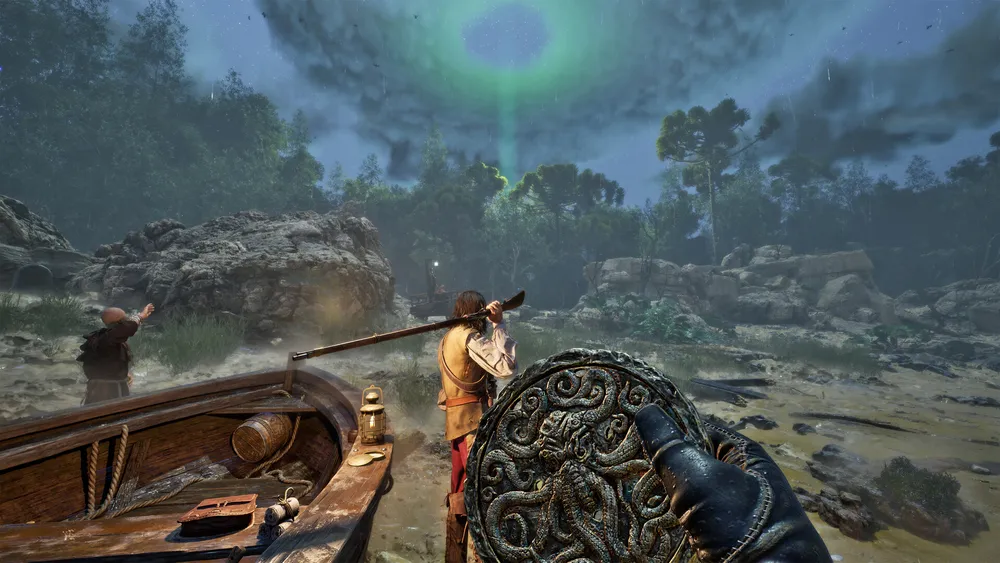
The Mound's Launch Proved Atmosphere Cannot Carry Missing Basics
The Mound: Omen of Cthulhu has a sharp Lovecraftian co-op premise, but its launch exposed missing defensive tools, social friction, and progression that needed more time.
Kojima's OD Is Safe From Xbox Cuts, For Now
Anonymous-source reporting says Hideo Kojima's OD remains in development during Xbox's reset. Its cloud partnership and famous collaborators make it unusual, but Microsoft's motive is not public.
Monster Hunter Wilds Needs a Hunt to Be More Than a DPS Check
Monster Hunter Wilds is at its best when tracking, weather, preparation, and teamwork change a hunt before the damage race begins.