
Like a Dragon: Infinite Wealth Makes Side Stories Matter
An RPG can have a huge map and still feel oddly narrow if every optional task repeats the main plot's tone. Side stories are often treated as evidence of volume: more icons, more rewards, more reasons to delay the ending. That sells a number, not a world. The better side story does something the main campaign cannot safely do. It lets a character be foolish, lets a neighborhood reveal an unexpected concern, or uses comedy to show why a place matters before the serious plot asks players to defend it.
The Like a Dragon: Infinite Wealth Steam page describes a story that follows Kasuga Ichiban and Kazuma Kiryu across Japan and Hawaii, alongside a turn-based RPG battle system, jobs, and activities. That is a broad canvas, but breadth alone does not make detours valuable. Optional stories need their own dramatic job. They should add texture to the party and the cities, not merely hand out currency while players wait for the next major mission marker to appear.

Detours need a dramatic job
The best detours can change scale. A main plot may be responsible for a major mystery, a family wound, or a threat that affects a city. A side story can care about a single bad decision, an absurd local business, or a person whose problem would never survive the campaign's larger stakes. That contrast gives the world rhythm. It reminds players that the city exists beyond the main character's urgent task, and it gives serious scenes more room to land when the game returns to them.
Comedy is especially useful when it has consequences. A bizarre premise can reveal a companion's values, teach a small rule of the world, or expose how a neighborhood treats someone vulnerable. Without that connection, weirdness becomes disposable noise. Like a Dragon's reputation for tonal range is strongest when a joke also makes the player understand why a relationship or location belongs in the story. The laughter is not an interruption. It is another way the game can build attachment.
Rewards should support the story, not replace it
Rewards are not the enemy of good side content. A useful item, a job interaction, or a new activity can give a detour mechanical weight. The problem is when the reward is its only reason to exist. If every side story is a transaction, players learn to scan dialogue for efficiency rather than engage with the people in it. The most satisfying reward is often a change in how the party member, neighborhood, or recurring joke reads afterward. Numbers can accompany that change, but they cannot manufacture it.
There is a fair limit. Not every player wants to see every optional scene, and a game should not hide emotional resolution behind dozens of scattered errands. The main narrative has to stand on its own. Side stories work best when they enrich a complete campaign rather than patch holes in it. That lets players follow their curiosity without worrying that a missed icon means they failed to meet the real version of a character.
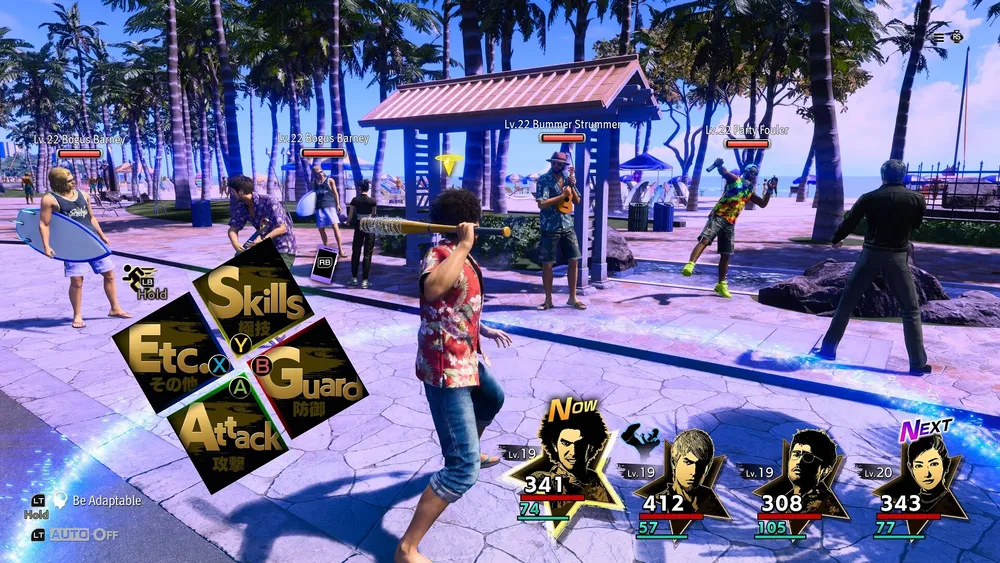
Infinite Wealth offers the right standard for RPG detours: not how many hours they can postpone an ending, but how many new ways they give players to understand the world they are already saving. A side story matters when it has a job the main plot cannot do. It can be funny, minor, or completely strange. It just cannot be empty.

Related posts

Baldur's Gate 3 Mods Work Best as a Bridge, Not a Wall
Baldur's Gate 3's official mod tools reduce friction for players on PC, Mac, and console. Their value lies in making access clearer without pretending that a curated path can replace open modding.
Final Fantasy 7 Should Let Minigames Be Distractions Again
Final Fantasy 7's minigames give its world texture, but optional diversions stop feeling optional when progression and valuable rewards turn them into obligations.
Songs of the Past Could Explain Ciri's Witcher Transformation
CD Projekt has announced a full Witcher 3 expansion for 2027, but it has not confirmed a story about Ciri's transformation. That gap makes the theory interesting, not factual.
Kingdom Come: Deliverance II Reaches 6 Million as Henry Is Still Quite Hungry
Kingdom Come: Deliverance II has crossed six million copies sold, and Warhorse marked the moment with Patch 1.5.6, 'A Jester's Visit,' adding a new quest, Steam Controller support, and a batch of fixes.