
Final Fantasy 7 Should Let Minigames Be Distractions Again
Final Fantasy 7 has always understood that saving the planet does not prevent people from racing birds, performing for an audience, or losing an evening to an arcade cabinet. Its minigames are more than comic interruptions. They make the world feel as if it contains pleasures, jobs, and bad ideas that were not placed there exclusively for the heroes. The trouble begins when a diversion stops offering a place to wander and starts behaving like another exam.
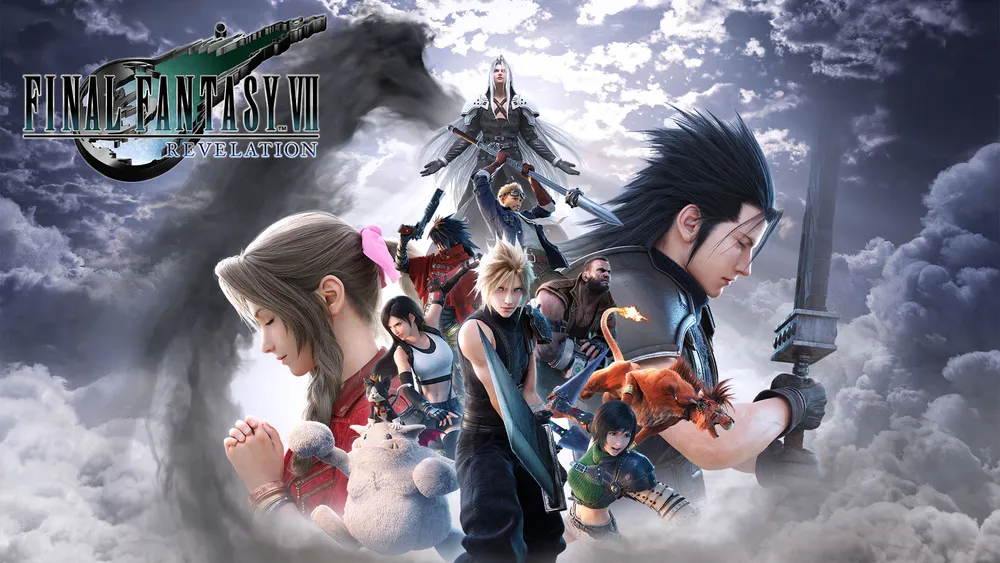
That is the tension facing Final Fantasy 7 Revelation. Director Naoki Hamaguchi has said the next game will retain many minigames while adding difficulty settings, a skip option, and fewer combat-essential rewards behind them, according to MP1st. It is a sensible response to Rebirth's reception because it preserves variety without insisting that every player master every genre.
The important change is not simply making the activities easier. It is restoring their role. A minigame works best as a small invitation: try this strange rule set, enjoy the change of rhythm, and leave when curiosity runs out. Once a powerful weapon, combat accessory, story beat, or completion requirement sits behind the highest rank, the invitation acquires pressure. The player is no longer tossing a ball because it is funny. They are repeating a control scheme they dislike because the main game placed a tax on refusal.
Variety gives the journey a pulse
Removing the minigames would solve the wrong problem. Rebirth's broad journey benefits from activities that make one settlement feel unlike the next. A card table produces a different social texture from a combat arena. A performance sequence can reveal how a reserved character behaves under absurd circumstances. Even a deliberately clumsy attraction can provide the tonal release that lets the next dramatic turn land harder.
This variety is part of Final Fantasy 7's identity. The original could move from environmental catastrophe to a squat contest without treating the tonal jump as a mistake. Its world is not credible because every activity is realistic. It is credible because people continue entertaining themselves while enormous forces threaten them. Gold Saucer matters as an argument that joy, waste, and commerce survive alongside grief.
Modern production makes each diversion more expensive and therefore more tempting to justify with progression. A bespoke interface, animation set, tutorial, and scoring system can represent months of work. Designers understandably want players to see it. Yet forcing participation does not recover that investment. It changes the player's memory from surprise to obligation and makes a playful system feel longer precisely when it has stopped being welcome.
Rewards quietly decide what is optional
Games often call content optional because the credits can roll without it. Players use a more practical definition. If an activity grants a unique combat ability, rare crafting material, or meaningful character progression, it belongs to the optimization path. Someone invested in the battle system will feel compelled to engage even when the activity itself has no appeal. The menu label cannot make that pressure disappear.
Revelation can separate celebration from power. High scores can award costumes, music, visual collectibles, playful accessories, or recognition inside the venue. Those rewards respect mastery without making a reluctant player weaker in the next boss fight. Participation can still unlock small scenes or jokes, provided the skip option keeps the main journey moving and communicates clearly what will be missed.
Difficulty settings are equally valuable when they change execution rather than meaning. A player who understands a minigame but struggles with timing should not be locked out by a sequence unrelated to the RPG skills developed across dozens of hours. Accessibility options, generous retry points, adjustable speed, and alternate controls allow the joke or character moment to survive. They do not diminish the expert scoreboards available to players who enjoy mastery.

Optional content still needs standards
The counterargument is fair: if every activity can be skipped and its rewards are cosmetic, players may treat a lovingly built world as disposable scenery. Low stakes can also make a minigame feel pointless. Good side content needs a reason to exist beyond padding, and an RPG should reward curiosity. The answer is not to remove consequences but to match them to the activity. A card tournament can deepen a relationship, reveal a local rivalry, or produce a memorable object without controlling combat effectiveness.
Developers should also be willing to cut diversions that never become enjoyable. Quantity is not automatically generosity. Ten distinct systems create ten tutorials, learning curves, and opportunities for friction. A smaller set with stronger feedback and more expressive scenarios can make the world feel richer than a checklist of one-use mechanics. A skip button is useful insurance, not a substitute for selection.
For players, this design changes the emotional rhythm of a long RPG. It creates permission to linger without anxiety and permission to move on without feeling under-equipped. For Square Enix, it allows the production to keep the eccentricity that distinguishes Final Fantasy 7 while respecting the finite attention of an audience arriving at the third enormous installment.
Revelation should keep letting Cloud do things that no efficient hero would put on an itinerary. Those moments are part of why this world remains lovable. They will work better when the game remembers the difference between a distraction and a duty. The best minigame does not prove its value by blocking the road ahead. It makes the player choose to miss the road for a while.

Related posts


Like a Dragon: Infinite Wealth Makes Side Stories Matter
Like a Dragon: Infinite Wealth understands that optional stories are not spare content. They give an RPG a second language for character, comedy, and place that the main plot cannot always use.
Baldur's Gate 3 Mods Work Best as a Bridge, Not a Wall
Baldur's Gate 3's official mod tools reduce friction for players on PC, Mac, and console. Their value lies in making access clearer without pretending that a curated path can replace open modding.
Songs of the Past Could Explain Ciri's Witcher Transformation
CD Projekt has announced a full Witcher 3 expansion for 2027, but it has not confirmed a story about Ciri's transformation. That gap makes the theory interesting, not factual.

Kingdom Come: Deliverance II Reaches 6 Million as Henry Is Still Quite Hungry
Kingdom Come: Deliverance II has crossed six million copies sold, and Warhorse marked the moment with Patch 1.5.6, 'A Jester's Visit,' adding a new quest, Steam Controller support, and a batch of fixes.