
Metaphor: ReFantazio Uses Time to Give an RPG Consequence
Metaphor: ReFantazio Uses Time to Give an RPG Consequence is most persuasive as a design argument, not as a slogan. Time management, Archetypes, and the Royal Tournament give the game a concrete way to make a player weigh an immediate action against a later consequence. The important question is not whether every decision is difficult. It is whether the game lets the player understand what kind of decision it has become.
The official Metaphor: ReFantazio page establishes the relevant premise: time management, Archetypes, and the Royal Tournament. That description matters because it identifies the material this analysis is examining. The conclusion here is editorial: systems become memorable when they turn information into a choice the player can read, question, and own. This is also why a feature can be familiar without becoming disposable: its value depends on what the player must notice before acting, what can be traded away, and what the result teaches about the next attempt.

A system has to be legible before it can be meaningful
Games often confuse opacity with depth. A crowded menu, a hidden multiplier, or a rule explained too late can create mystery, but it cannot by itself create consequence. Metaphor: ReFantazio works as a useful case because its premise gives the player something to track. The next move can be risky without being arbitrary when the game exposes the pressure behind it.
That distinction also protects experimentation. A player should be able to try an odd route, discover its cost, and revise a plan without feeling that the only correct response was to consult a guide. Good friction asks for attention. Bad friction hides the terms of the problem. The former creates a story about judgment; the latter reduces a system to administrative delay.
The strongest version of this design creates several valid priorities. Efficiency may help, but it should compete with curiosity, safety, style, or another value that the game makes visible. When every player is funneled toward a single optimal routine, the system stops expressing a point of view. When a trade-off is readable, even an imperfect result can feel authored by the person holding the controller.

The counterpoint is convenience
There is a reasonable counterargument: not every game needs to make its mechanics carry emotional or thematic weight. A fast, clean loop can be satisfying precisely because it removes deliberation. Yet even games built for momentum benefit from clear stakes. Convenience is valuable when it removes repetition after a player has learned a lesson; it is less valuable when it removes the possibility of learning one.
This is why time to give an rpg consequence is more interesting than a feature checklist. The individual tools can be familiar. What matters is their order and their feedback. A timer, a map, an upgrade, a companion, or a score system becomes expressive only when it changes the next decision without dictating it. The player does not need to be praised for every action; they need to be able to see what their action changed.
Designing for a remembered choice
The most durable games leave behind decisions people can describe. Not just a result, but a reason: a resource kept in reserve, an improvised solution, a route declined, or a risk accepted because the alternative mattered less. That is the test worth applying to Metaphor: ReFantazio. Its systems are strongest when they make that explanation possible.
A useful game design does not eliminate uncertainty. It gives uncertainty a shape. By keeping goals, costs, and feedback connected, it lets players make a choice that feels like theirs—and gives them a reason to remember it after the immediate reward has passed.

Related posts


Like a Dragon: Infinite Wealth Makes Side Stories Matter
Like a Dragon: Infinite Wealth understands that optional stories are not spare content. They give an RPG a second language for character, comedy, and place that the main plot cannot always use.
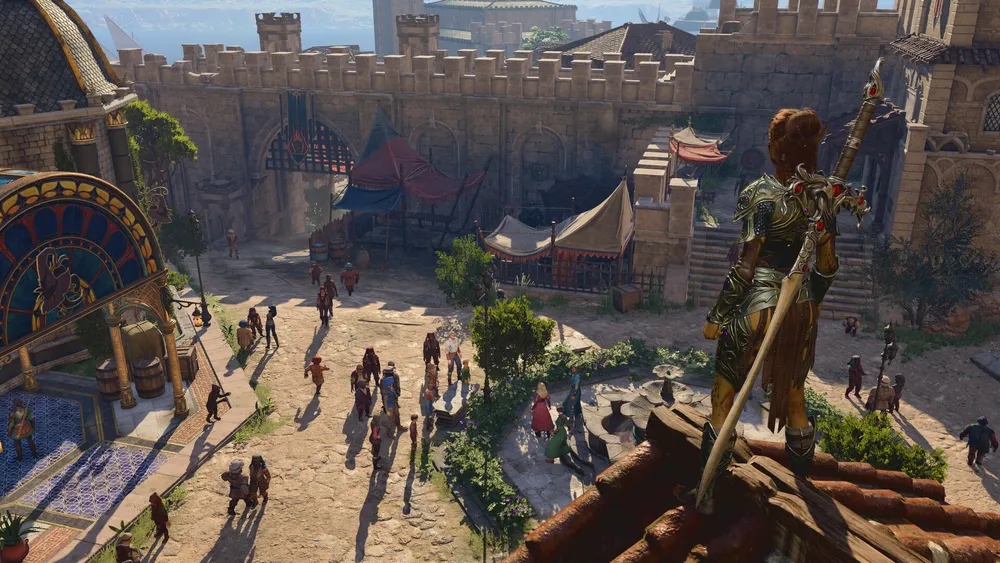
Baldur's Gate 3 Mods Work Best as a Bridge, Not a Wall
Baldur's Gate 3's official mod tools reduce friction for players on PC, Mac, and console. Their value lies in making access clearer without pretending that a curated path can replace open modding.
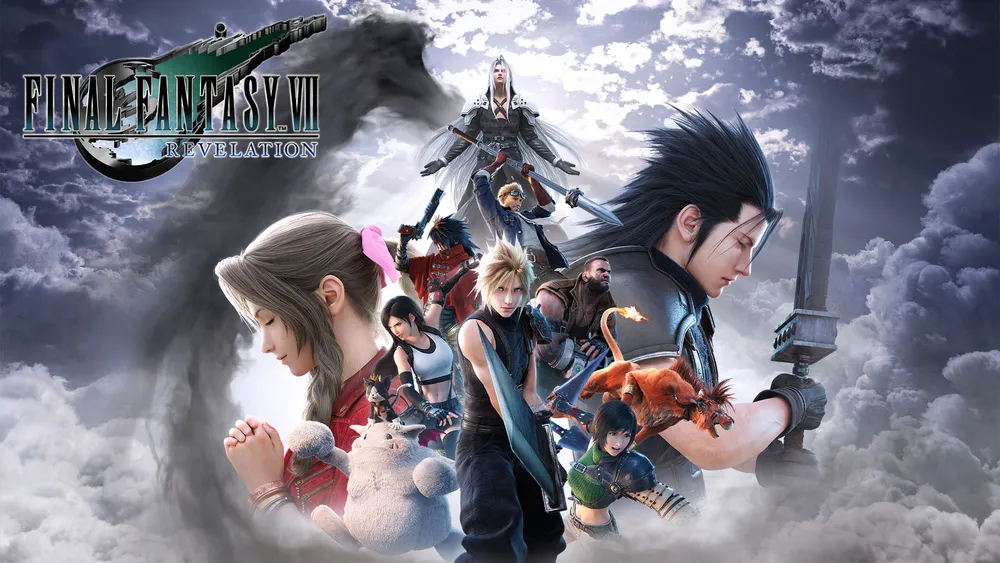
Final Fantasy 7 Should Let Minigames Be Distractions Again
Final Fantasy 7's minigames give its world texture, but optional diversions stop feeling optional when progression and valuable rewards turn them into obligations.
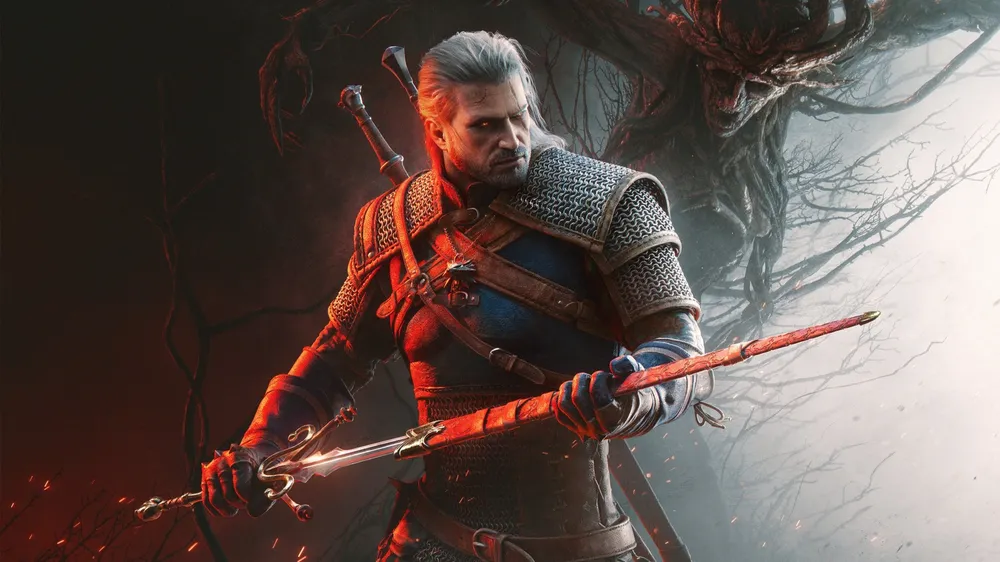
Songs of the Past Could Explain Ciri's Witcher Transformation
CD Projekt has announced a full Witcher 3 expansion for 2027, but it has not confirmed a story about Ciri's transformation. That gap makes the theory interesting, not factual.