
Blue Prince Makes a House Feel Like a Question
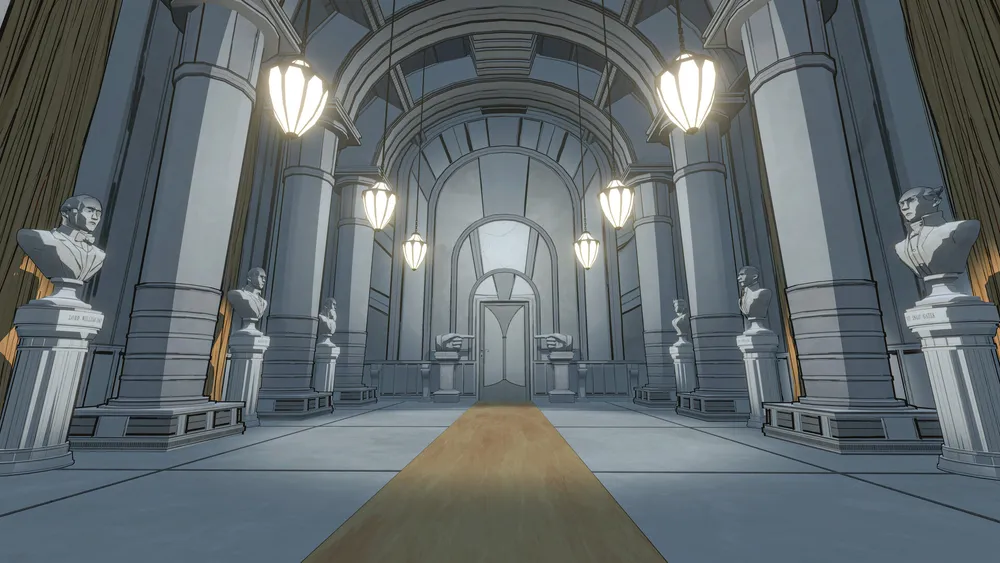
A house is normally a promise of stability. Blue Prince makes it a question. Each new room can change the route, suggest a connection, or quietly make an earlier assumption wrong. That is a strong premise for a puzzle game because it gives uncertainty a physical form. The player is not asked to admire an inscrutable mystery from a distance. They are asked to place a room, remember its consequences, and decide which small piece of evidence deserves another attempt.
The official Blue Prince site identifies Dogubomb's game as a shifting mansion mystery, while the Steam page describes building a path through Mt. Holly in search of Room 46. Those facts are enough to explain the design challenge. Randomness can make a house surprising, but it can also make the player feel powerless. The floor plan needs to create questions that observation can answer, not merely delay an answer until luck cooperates.
Mystery needs a memory
The best puzzle games make the player feel smarter for noticing something that was present all along. That requires a dependable language of clues. A room can be strange, but it should be strange in a way that a notebook, a remembered symbol, or a changed route can eventually clarify. Blue Prince's house is compelling because placement makes memory part of play. The player does not only solve a locked-door problem. They build the conditions under which a previous observation becomes useful.
There is a real danger in hiding too much behind procedural variation. If an important clue appears only when a rare sequence happens to align, the solution is no longer reasoning. It is endurance. A fair changing mansion needs recurring motifs, partial information, and enough control over the next room that a player can form a hypothesis. Failure should teach what to try differently, even when it does not immediately reveal a reward.
Randomness should create questions
That continuity is the house's most valuable hidden architecture.
A useful run therefore has a trace. Even a bad draw can reveal that a certain room has more than one function, that a resource should be saved, or that a route was misread. This makes repetition investigative rather than merely repetitive. The house remains unpredictable, but the player's attention accumulates across attempts.
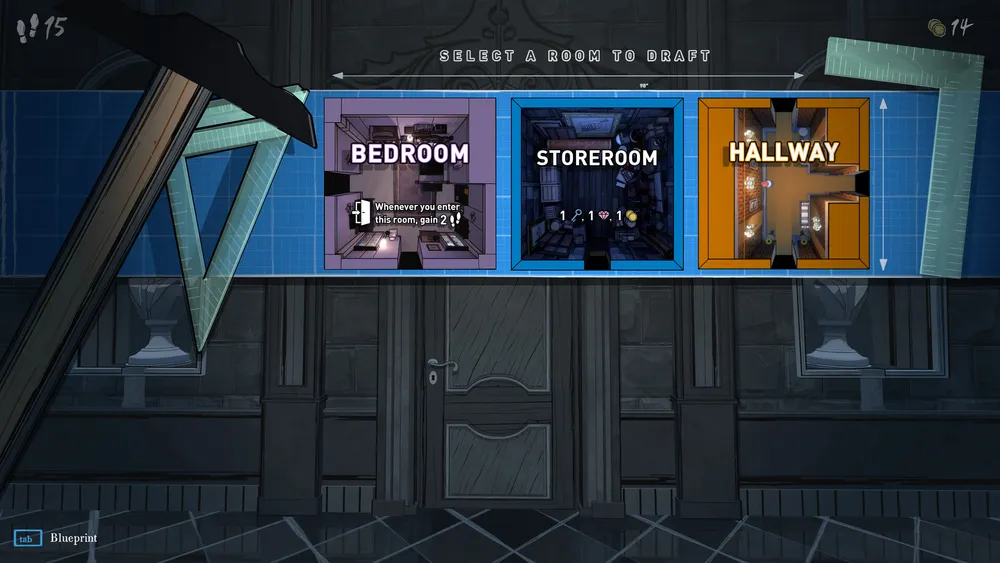
That is the line between a mystery and a slot machine. Randomness is valuable when it presents a new question: does this room change the route, confirm a pattern, or make a resource worth saving? It is frustrating when it replaces the question with a blank wait. The player should leave a failed day with a changed theory, not only a desire for a kinder draw next time.
Blue Prince's premise gives it a rare opportunity. A house can make forgotten details feel newly urgent without pretending that confusion is depth. If every room is able to become part of a later sentence, the mansion becomes more than a randomized map. It becomes a place the player learns to read, one uncertain door at a time.

Related posts


Like a Dragon: Infinite Wealth Makes Side Stories Matter
Like a Dragon: Infinite Wealth understands that optional stories are not spare content. They give an RPG a second language for character, comedy, and place that the main plot cannot always use.

Steam Deck Verified Is Useful Only When It Explains the Compromise
Steam Deck Verified is valuable when it explains controls, display, launchers, and system support. A green checkmark should start a purchase decision, not substitute for it.
Silent Hill 2 Remake Works Best When It Leaves You Uneasy
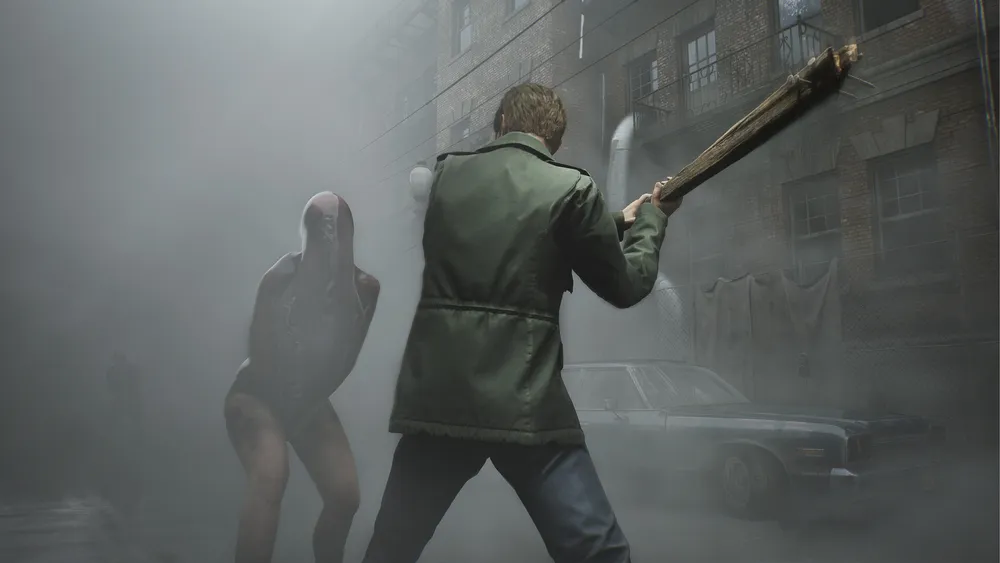
Silent Hill 2's remake has room to modernize its presentation, but its psychological horror works only when new technology sharpens uncertainty instead of explaining the town away.

Warframe: 1999 Changes the Mood Without Losing the Game
Warframe: 1999 gives a long-running live game a different city, era, and mood while anchoring the shift in recognizable combat and progression. That is a stronger form of expansion than another stat ladder.