
Baldur's Gate 3 Mods Work Best as a Bridge, Not a Wall
Official mod support is often sold as a neat solution to a messy culture. Put a browser in the game, put a few rules around uploads, and everyone gets safer downloads and fewer broken saves. That pitch is incomplete. Mods are not one audience with one appetite. Someone changing a hairstyle on console, a group trying to start a compatible co-op campaign, and a PC creator changing scripting behavior need different things. The useful question is whether official tools connect those needs without shrinking the space around them.
Larian's Community Update #29 makes that divide unusually clear. The Baldur's Gate 3 Toolkit is available to create mods on PC, while curated mods can reach Mac and console after internal testing. The update also explains its verification window for matching enabled versions when loading a save or joining multiplayer. Those are not glamorous details, but they are the details that determine whether a group can play together rather than spend an evening comparing mod lists.
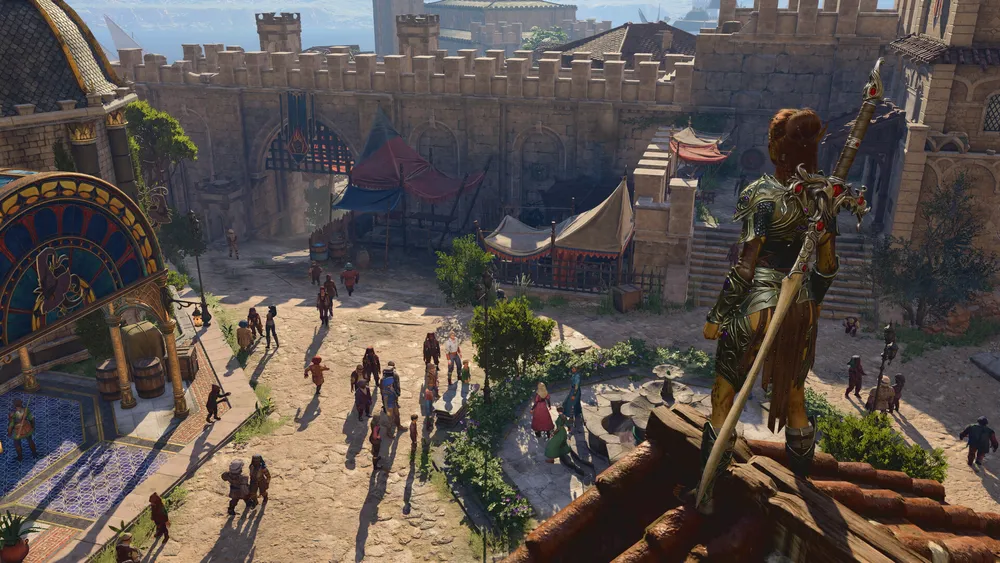
Compatibility is a player-facing feature
A mod manager becomes valuable when it handles the boring work openly. If a save expects a specific version, the player should see that before the load fails. If a lobby has a required mod, the game should explain whether it can be downloaded, enabled, updated, or cannot be used on that platform. Larian documents each of those states in its verification flow. That makes modded multiplayer less like a private technical club and more like a game feature people can reasonably plan around.
The same update is candid about the boundary. Not every PC mod can appear on console or Mac, and the company says eligible mods must be made with its Toolkit and pass checks for functionality, usability, and stability. That limitation is not a betrayal of modding. Consoles have platform rules, save compatibility has consequences, and a publisher cannot promise support for every experimental change. Trouble starts only when a curated browser is presented as the entire creative ecosystem.
Curation needs an honest label
Curation is most defensible when it describes what it has checked and what it has not. The official modding documentation exists alongside community knowledge because making a mod, distributing a mod, and supporting a mod are different jobs. Players benefit from an in-game route that is readable and reversible. Creators benefit when the route does not quietly turn into a claim that unsupported work is illegitimate.
There is a cost to this openness. More choices mean more combinations, more support questions, and more chances for a patch to expose a conflict. A tightly closed system would be easier to describe. It would also leave console and Mac players with a much thinner version of the game's community creativity, while PC creators would lose room for experiments that cannot fit a platform-wide approval process. A bridge is harder to maintain than a wall because it has to let traffic move in both directions.
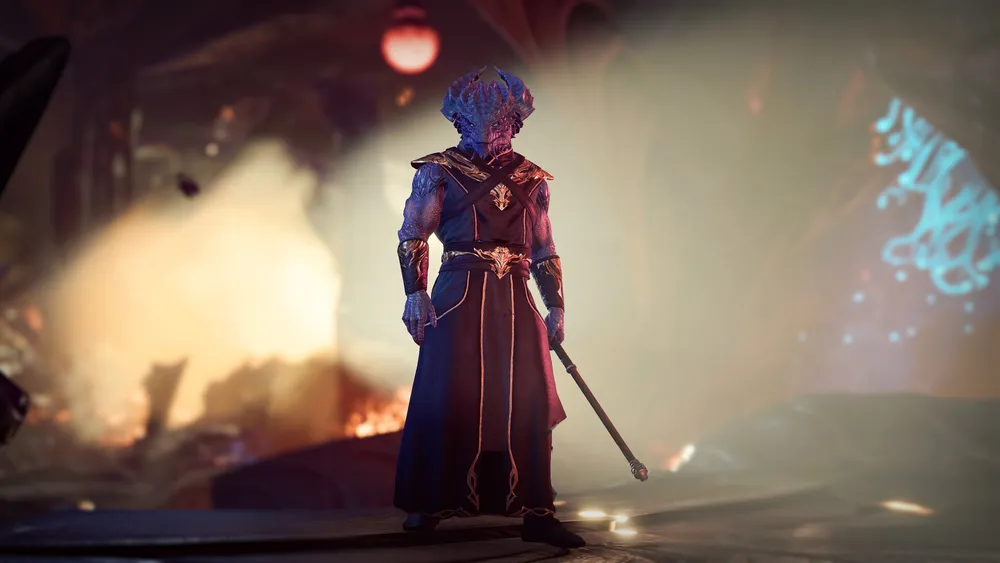
A bridge is better than a replacement
Baldur's Gate 3 has the right opportunity because its official support can solve a real access problem without making a grand claim about controlling creativity. The in-game browser, testing, and synchronization should make a first modded campaign less intimidating. The broader PC ecosystem should remain the place where people take bigger risks, learn from strange failures, and build things a cross-platform program cannot safely carry.
That is a healthier bargain than treating mods as either a security nuisance or a limitless marketing slogan. Give players clear compatibility information. Credit creators, preserve their choices, and say plainly where platform support stops. If the official route remains a bridge to a larger community instead of a toll gate in front of it, everyone gets a version of modding that is more usable without becoming less alive.

Related posts


Metaphor: ReFantazio Uses Time to Give an RPG Consequence
An analytical look at how time management, Archetypes, and the Royal Tournament can turn familiar mechanics into choices players can understand and remember.

Like a Dragon: Infinite Wealth Makes Side Stories Matter
Like a Dragon: Infinite Wealth understands that optional stories are not spare content. They give an RPG a second language for character, comedy, and place that the main plot cannot always use.
Final Fantasy 7 Should Let Minigames Be Distractions Again
Final Fantasy 7's minigames give its world texture, but optional diversions stop feeling optional when progression and valuable rewards turn them into obligations.
Songs of the Past Could Explain Ciri's Witcher Transformation
CD Projekt has announced a full Witcher 3 expansion for 2027, but it has not confirmed a story about Ciri's transformation. That gap makes the theory interesting, not factual.