
Animal Well Shows How Secrets Can Teach Without Tutorials
A secret is satisfying when it makes a player reconsider what they already saw. It is exhausting when the only way to find it is to guess at an invisible rule. Animal Well builds its identity around a delicate promise: explore a dense world, use strange objects in unexpected ways, and keep noticing that the obvious route was not the only route. The game can be quiet about its answers because its spaces are busy teaching the player what kinds of questions are worth asking.
The official Animal Well page and its Steam description frame the game as a dense, haunting world built around exploration and layered secrets. That description makes a useful distinction. A tutorial tells a player what a tool does. A well-made secret teaches them to test the tool in a place where its ordinary use no longer explains everything. The player still earns the discovery, but the game has prepared the vocabulary needed to make it.
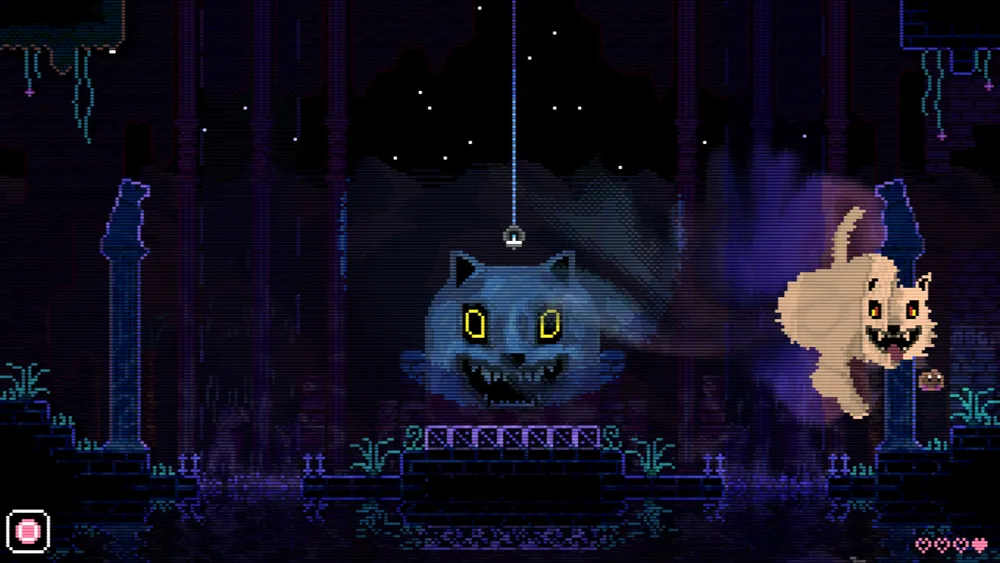
Withholding is not the same as hiding
The difference is evidence. A game can withhold an answer while leaving a sound, a gap, a pattern, or a changed object that says an answer exists. That is an invitation. A game that hides a solution with no evidence is asking for outside luck. Animal Well's strongest kind of secret is one that turns a previous detail into a clue. The player may not understand it immediately, but they can remember it and return with a new idea.
This approach also makes community discussion healthier. Players can compare observations and theories without reducing every discovery to a spoiler list. A good secret creates a language for sharing: a strange room, a behavior, an object used somewhere unexpected. People can help one another notice without simply pasting the solution. That is especially valuable in a game whose mysteries are part of its atmosphere, not a checklist attached after the main journey.
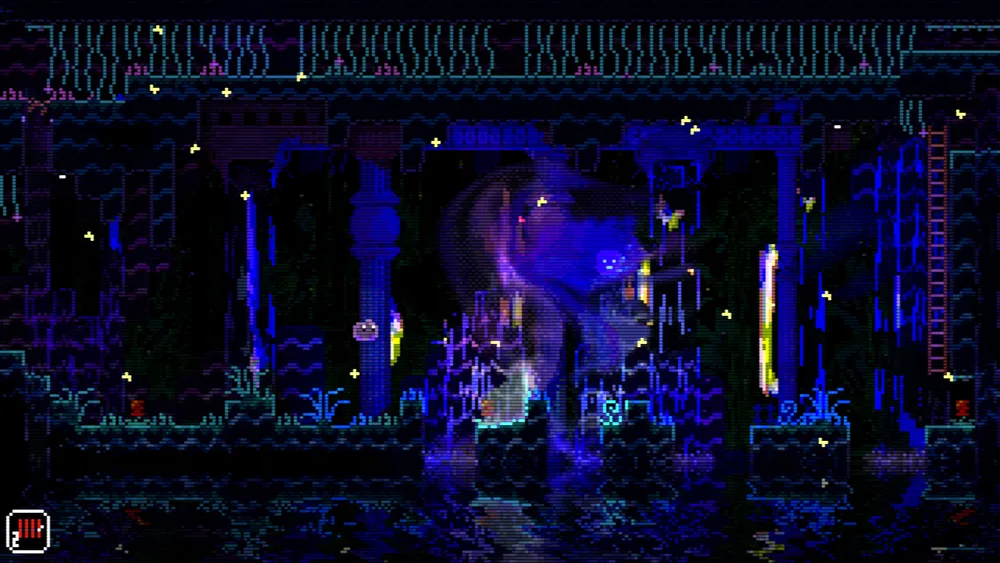
The player needs a fair vocabulary
That vocabulary can be visual, audible, or mechanical, but it has to remain consistent enough for curiosity to become a method. A player may fail to solve a mystery today and still leave with a useful observation. The important thing is that returning later feels like a test of a growing idea, not an appeal to a random-number generator.
The counterpoint is that too much guidance can make every secret feel like an objective marker in disguise. Animal Well does not need to announce each layer. It needs consistent rules. If the player learns that sound, physics, or a particular tool can be meaningful, future mysteries can ask for a more imaginative use of the same language. The result is uncertainty with traction, rather than a wall designed to keep curiosity out.
That is why the best secrets teach without tutorials. They respect a player's intelligence by giving observation a job. Animal Well's world is more than a place to get lost in when its strange details can gradually become a map of possibilities. The player is not handed the answer. They are handed a way to deserve it.

Related posts

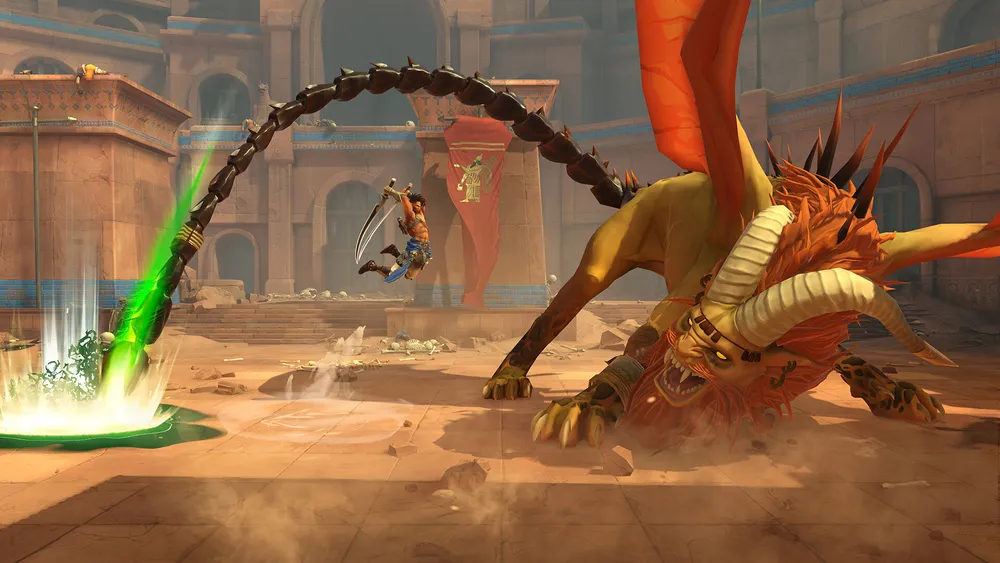
Prince of Persia: The Lost Crown Makes Movement the Map
Prince of Persia: The Lost Crown succeeds as a metroidvania because its movement powers, combat, and route knowledge describe the same space. Progress feels like understanding, not like collecting keys.
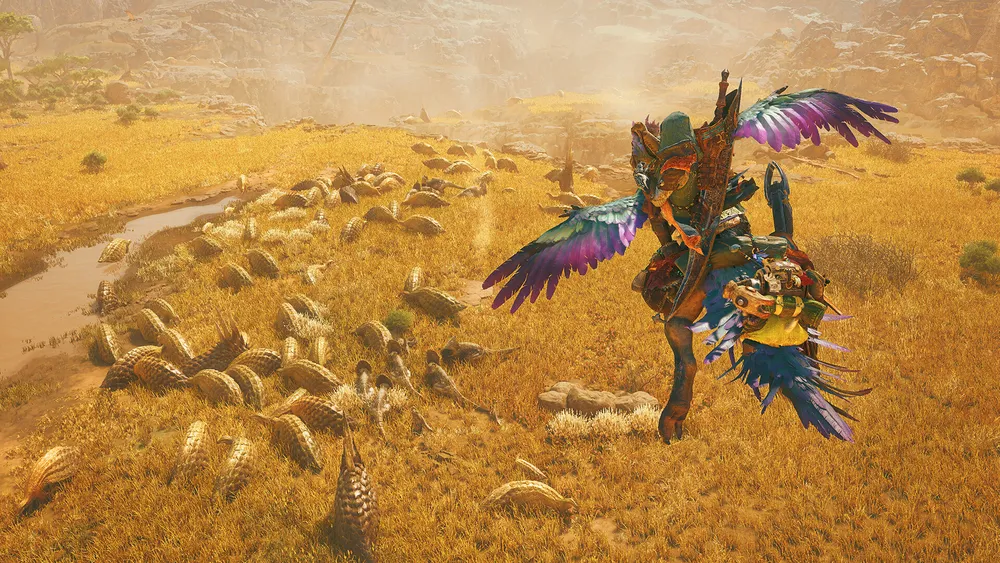
Monster Hunter Wilds Needs a Hunt to Be More Than a DPS Check
Monster Hunter Wilds is at its best when tracking, weather, preparation, and teamwork change a hunt before the damage race begins.

Blue Prince Makes a House Feel Like a Question
Blue Prince turns a changing floor plan into a puzzle about memory, evidence, and deliberate uncertainty. Its rooms matter because discovery is legible without being handed over.

Like a Dragon: Infinite Wealth Makes Side Stories Matter
Like a Dragon: Infinite Wealth understands that optional stories are not spare content. They give an RPG a second language for character, comedy, and place that the main plot cannot always use.