
Prince of Persia: The Lost Crown Makes Movement the Map
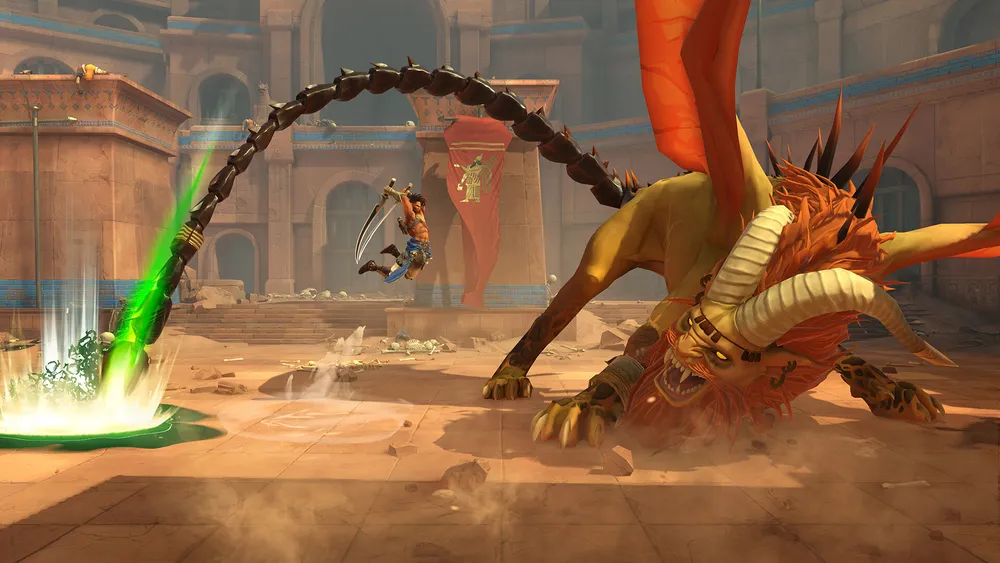
The easiest way to build a metroidvania is to lock doors. The harder way is to make a new ability change how a player reads every room they already passed through. A double jump should not merely open a colored gate. It should alter a chase, reveal a dangerous shortcut, make an old arena feel newly unstable, and invite a player to remember a shape that once looked impossible. Prince of Persia: The Lost Crown understands that movement can be the map itself.
Ubisoft describes The Lost Crown as an action-adventure platformer built around time powers, acrobatic combat, exploration of Mount Qaf, and a range of biomes. Its official page also calls out amulets, puzzles, and platforming. The useful design connection is that none of those elements has to live in a separate lane. A power that helps in a boss fight can also change a route, while a recognizable landmark can turn a return trip into a decision rather than a chore.
A power should change a sentence
Players learn spaces as sentences: an opening, an obstacle, a risk, and a possible way through. Good movement powers change the grammar. A dash is a dodge until it becomes a route. A wall interaction is a traversal trick until it creates a safer angle against an enemy. That overlap keeps progress alive because the player is not simply checking whether a new icon fits a lock. They are testing whether their understanding of the world was incomplete.
The counterpoint is that too much overlap can make a game exhausting. If every platform is a combat puzzle and every fight demands precision travel, players lose the quiet rhythm of exploration. The Lost Crown needs places where a newly learned movement technique can simply feel good, not be examined. Discovery needs room for spectacle and rest. A map is not meaningful because it constantly grades the player; it is meaningful because they can gradually claim it as familiar.
Backtracking has to reveal, not repeat
Backtracking gets its bad name when the player retraces a route without learning anything. The fix is not to eliminate return trips. It is to make each return expose a new relationship between abilities, place, and purpose. A familiar corridor can become a fast route, a secret route, or a warning that a previous obstacle was never the important one. The official description of Mount Qaf's varied biomes supports the right ambition: visual identity is functional when it helps a player remember why a far-off path might now be worth revisiting.
That also gives combat more weight. A strong encounter can teach the pace of a power before a navigation challenge asks for it under different pressure. It is a better lesson than a floating prompt because the player feels the tool's limits. When the same action later opens a route, the map remembers what the fight taught. Design like that makes a genre built on keys feel less like inventory management and more like growing fluency.
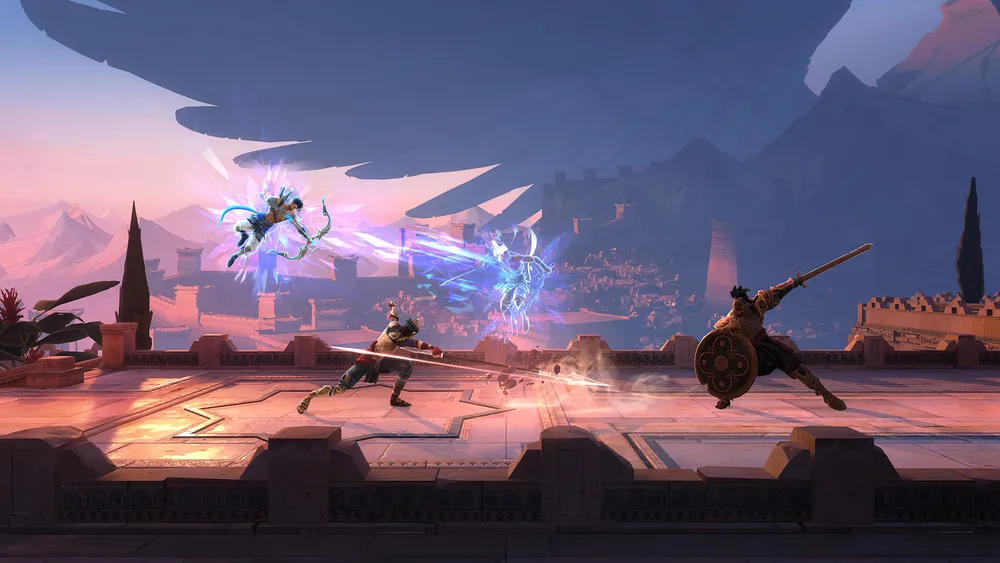
The Lost Crown's strongest lesson is simple: movement is not a reward that happens after exploration. It is the way exploration gains meaning. When a game lets powers, enemies, landmarks, and routes speak the same spatial language, returning to an old room feels like rereading a line with a word finally understood. That is much more satisfying than opening another door because the game finally gave it permission.

Related posts

Blue Prince Makes a House Feel Like a Question
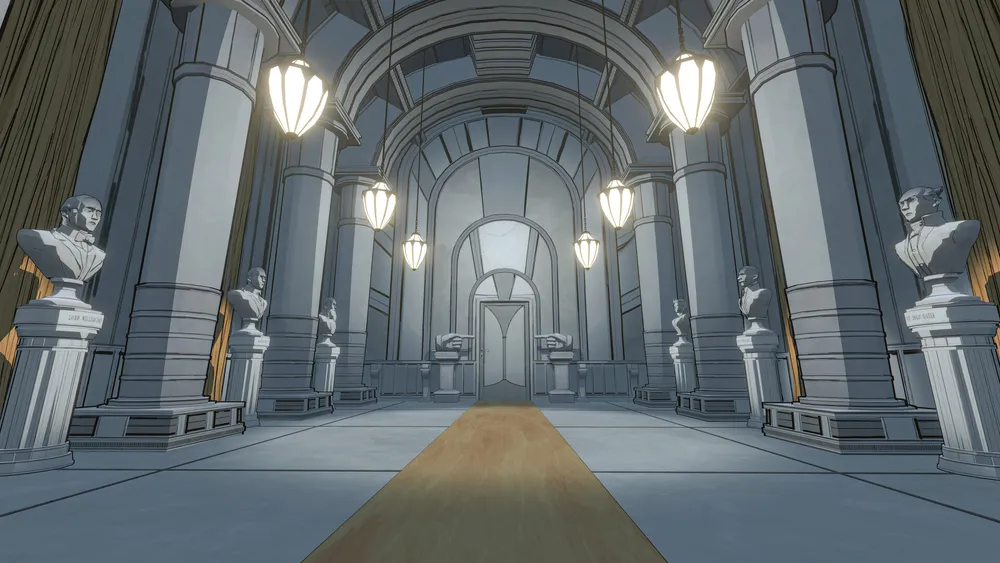
Blue Prince turns a changing floor plan into a puzzle about memory, evidence, and deliberate uncertainty. Its rooms matter because discovery is legible without being handed over.

Like a Dragon: Infinite Wealth Makes Side Stories Matter
Like a Dragon: Infinite Wealth understands that optional stories are not spare content. They give an RPG a second language for character, comedy, and place that the main plot cannot always use.
Steam Deck Verified Is Useful Only When It Explains the Compromise
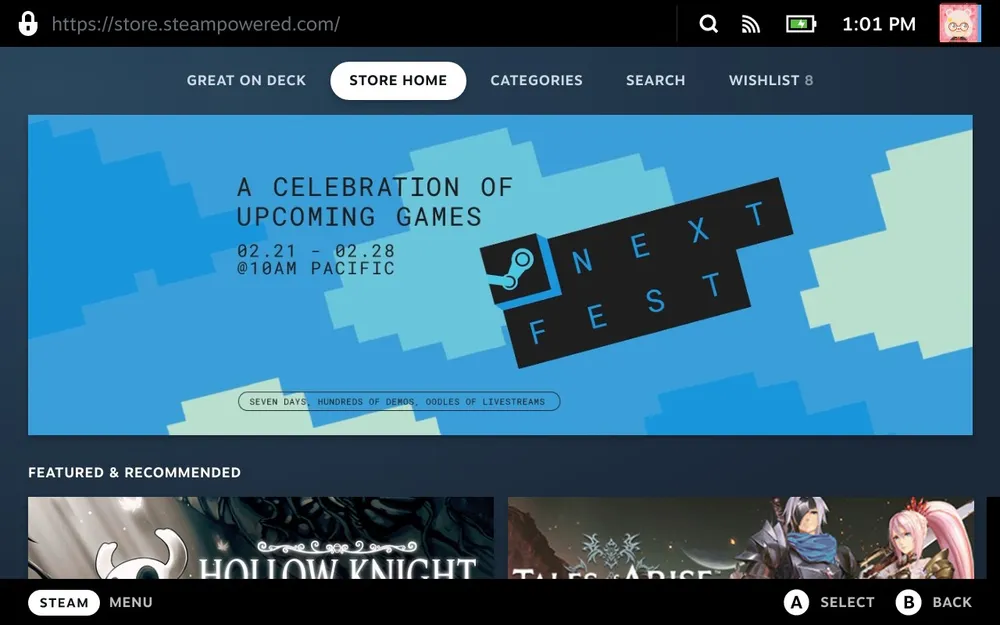
Steam Deck Verified is valuable when it explains controls, display, launchers, and system support. A green checkmark should start a purchase decision, not substitute for it.
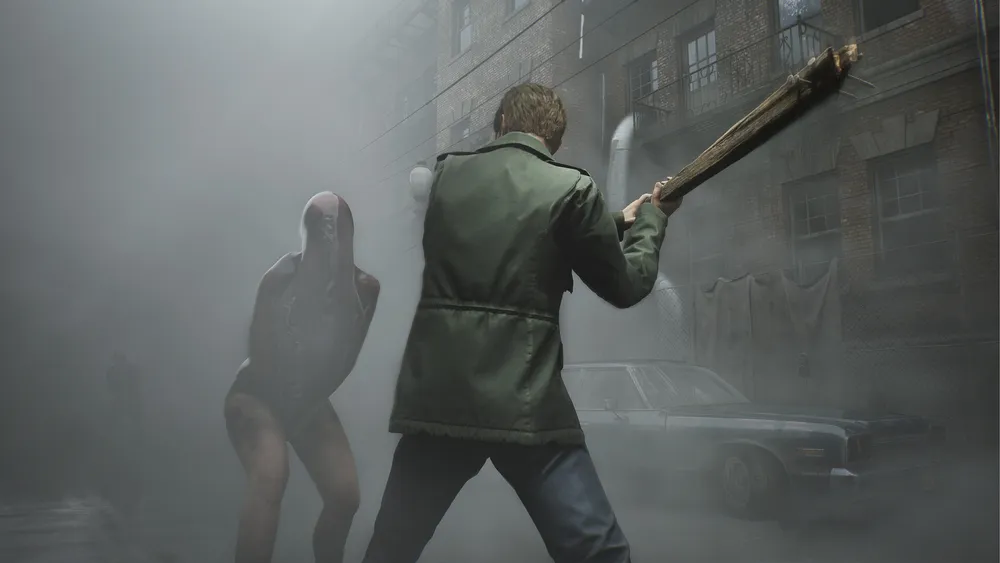
Silent Hill 2 Remake Works Best When It Leaves You Uneasy
Silent Hill 2's remake has room to modernize its presentation, but its psychological horror works only when new technology sharpens uncertainty instead of explaining the town away.