
Kojima's OD Is Safe From Xbox Cuts, For Now
Editor's note, July 29, 2026: this article previously described an unconfirmed Microsoft motive as fact, called a trademark filing a patent, overstated Jordan Peele's writing role, and implied IO Interactive's Project Fantasy had no path forward. Those claims have been corrected. OD's status comes from anonymous-source reporting and should not be confused with a new public statement from Microsoft.
OD was announced in December 2023 as a collaboration between Kojima Productions and Xbox Game Studios. The studio's original announcement identifies Jordan Peele as one of several storytellers and creative partners and says the project will use Xbox cloud technology to test the nature of fear. A later filing for Social Scream System is a trademark, not a patent, and does not explain a multiplayer mechanic. Beyond the cast, cloud collaboration, and horror premise, the public design remains deliberately thin.
A game that survives by being useful
OD's cloud dependency may help explain why the Xbox partnership remains useful to both sides, but neither company has called the game an Azure demonstration or said cloud infrastructure protected it from cancellation. That is an inference, not evidence. The firmer point comes from IGN's original report: an unnamed source said OD remained in development and published by Xbox during Microsoft's reset. Anonymous sourcing can be credible, but its limits should remain visible.
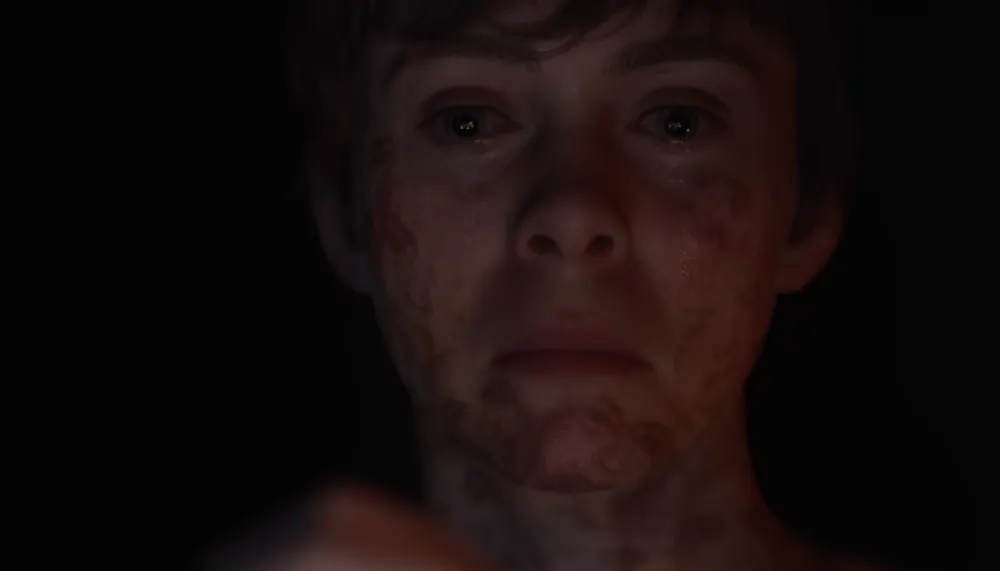
If you want a reminder of what all this corporate patience is protecting, the KNOCK teaser is the closest thing to evidence we have. Watch it below and try to describe the gameplay. You can't, because there isn't any on screen yet.
This player is hosted by YouTube. Loading it permits a connection to an external provider.
What we actually know is deliberately thin. The original teaser leans on dread and disorientation, and the studio frames OD as a project that crosses the boundary between game and film while testing fear. The Social Scream System name may eventually describe an important feature, but a trademark cannot prove what that feature does. Beyond the teaser and the announcement language, the specifics remain private.
Too famous to cancel
The other possible layer of protection is the public profile around the project. Kojima is one of the few game designers whose name travels well outside the medium, and Peele's announced role as a creative partner adds another recognizable figure. That does not prove a public-relations calculation inside Microsoft. It does mean a cancellation would attract attention that an unannounced internal prototype would not. The distinction matters because plausible corporate logic is still analysis, not a sourced account of an executive decision.
None of this tells us the game is close to done, or even close to a trailer with a controller in frame. No public source establishes a reliable 2021 pre-production date, average schedule, summer 2026 window, or direct lineage from a rejected Stadia pitch. Those claims appeared in the earlier article without adequate support and have been removed. The honest release forecast is simple: Kojima Productions and Xbox have not announced one.
Not everyone got Kojima's deal
The kindest reading of Microsoft's restraint is that it still sees real value in OD. A comparison with IO Interactive needs more care than the earlier version gave it. Xbox and IOI separated on Project Fantasy, but IO Interactive later confirmed it retained the project and would continue independently. The split still shows how publishing priorities can change. It does not support writing the RPG's obituary or pretending OD survived under identical circumstances.
Xbox, for its part, insists none of this is really cost-cutting. The company frames the restructuring as a shift toward fewer, more popular IPs, with resources pulled away from everything that doesn't fit that description. Read that sentence again and notice how neatly OD lands on the right side of it: high profile, attached to a marquee creator, doubling as an ad for the cloud division. It isn't that Microsoft is wrong to keep the game. It's that the reasons have very little to do with whether OD is any good.
So OD lives. That last part, for now, is the part that matters. Priorities shift, executives reshuffle, and "still in development" is a status that can flip with a single quarterly earnings call. Today, Kojima's screaming-face horror experiment is safe, propped up by cloud infrastructure and the reputation of the man making it. Whether it justifies all that patience is a different question, and not one anybody can answer until we finally see the thing running.

Related posts

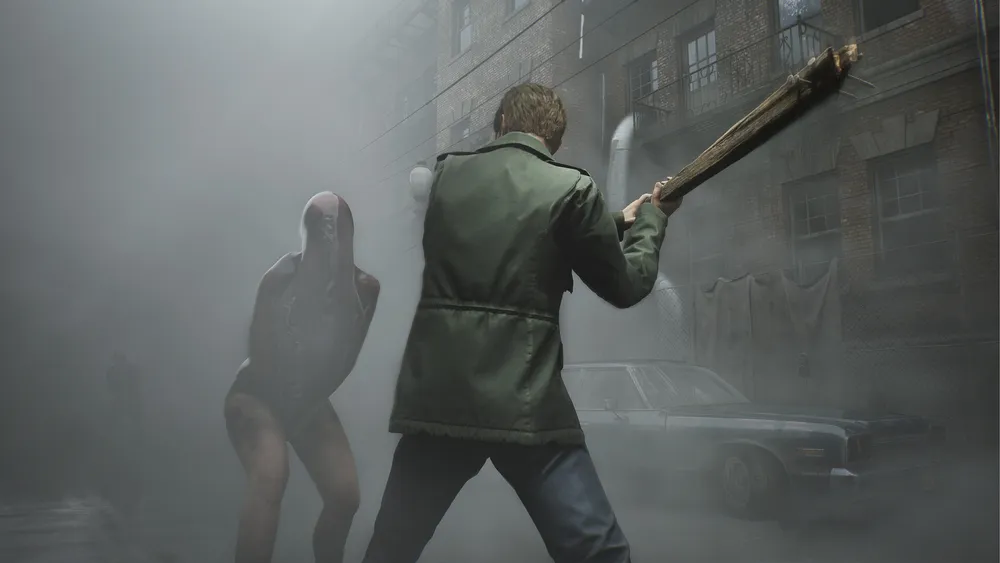
Silent Hill 2 Remake Works Best When It Leaves You Uneasy
Silent Hill 2's remake has room to modernize its presentation, but its psychological horror works only when new technology sharpens uncertainty instead of explaining the town away.
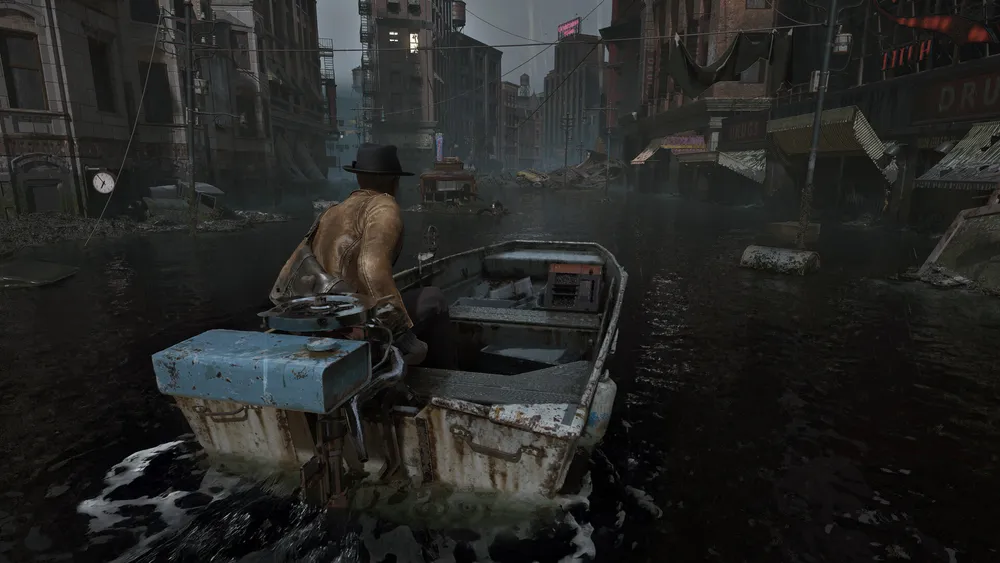
The Sinking City 2 Is Right to Become a Survival Horror Game
The Sinking City 2 can preserve the original's Lovecraftian mystery without preserving its open-world routine. Survival horror gives scarcity, space, and investigation the same purpose.
The Mound's Launch Proved Atmosphere Cannot Carry Missing Basics
The Mound: Omen of Cthulhu has a sharp Lovecraftian co-op premise, but its launch exposed missing defensive tools, social friction, and progression that needed more time.
Indiana Jones and the Great Circle Understands Adventure Needs Quiet Spaces
An analytical look at how first-person exploration, puzzles, and improvised tools can turn familiar mechanics into choices players can understand and remember.