
The Blood of Dawnwalker Is Right to Put the Game Before the Sales Target
Every commercial game needs customers, but not every creative decision should begin by imagining the largest possible audience. That distinction is easy to celebrate after an unusual project becomes successful and much harder to defend while millions are being spent. The Blood of Dawnwalker director Konrad Tomaszkiewicz has chosen the difficult version of the argument: sales matter, but the team's first obligation is to make the game it believes should exist.
In comments reported by MP1st, Tomaszkiewicz said that designing primarily for sales can lead a project to fail. He framed fan response and the quality of the game as the central goals, while acknowledging that revenue is necessary if Rebel Wolves wants to make another installment. That last qualification matters. This is not a claim that budgets disappear when artists believe hard enough. It is an argument about sequence: build a coherent game first, then make the commercial case around what it is.
The official Steam page describes a dark-fantasy action RPG in which Coen is human by day and a vampire by night, with time and player choices shaping the journey. Those ideas need specificity to work. If every system is softened to avoid alienating anyone, the day-and-night identity becomes decoration, consequential time becomes a forgiving checklist, and a dangerous world starts behaving like a familiar open-world service.
- The day-and-night split must change decisions, not only character appearance.
- Time pressure must create priorities without disguising a checklist.
- Commercial accessibility should clarify the premise rather than flatten its consequences.
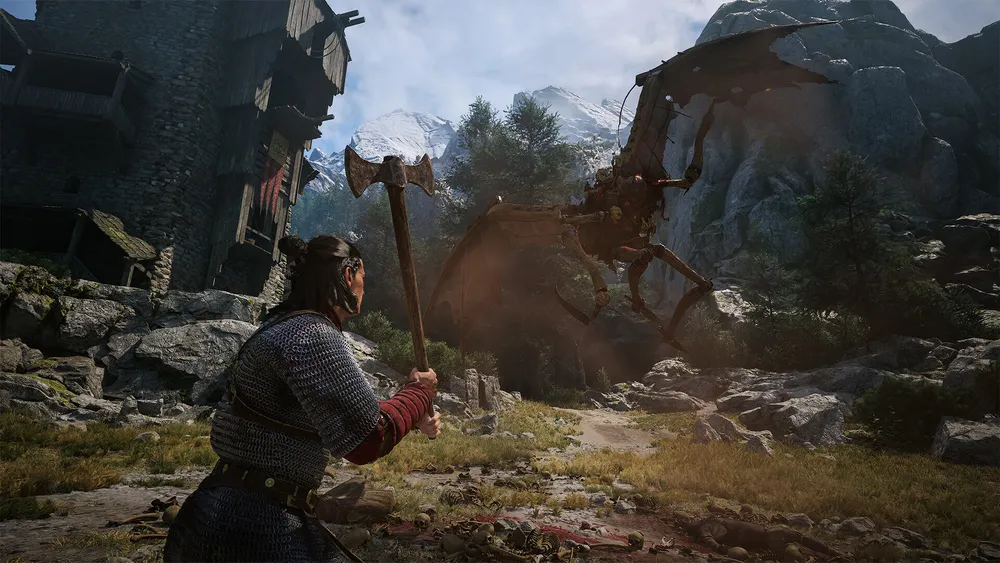
A sales target cannot design a good compromise
Market research can reveal barriers. It can show that players abandon a tutorial, cannot read an interface, or dislike paying for a particular model. It is much worse at deciding what a game should value. A spreadsheet can recommend the length associated with popular RPGs, the combat cadence that retains more users, and a map dense with measurable activity. It cannot determine whether dread requires silence, whether a difficult choice should permanently close a path, or whether inconvenience is central to being hunted.
Designing for an imagined average player often produces contradictions. A project wants authored stakes but is afraid someone will miss content. It wants a hostile night but fills darkness with guidance markers. It wants role-playing choices but makes every reward obtainable in one run. Each compromise is individually reasonable. Together they can remove the reason the game was interesting before the compromises began.
Putting the game first does not require contempt for accessibility or convenience. Difficulty options, readable interfaces, remappable controls, and clear explanations allow more people to engage with the intended experience. The crucial difference is between removing accidental barriers and erasing deliberate consequences. A studio with a strong premise should be able to explain which is which.
Creative purity can become its own excuse
There is also a comforting myth behind statements about art over sales: that commercial failure automatically proves a work was uncompromised. It does not. Games can miss targets because they are poorly scoped, badly communicated, technically unstable, or simply less compelling than their creators hoped. Refusing to study an audience is not integrity. Sometimes it is a way to avoid testing whether a treasured idea survives contact with another person.
Rebel Wolves therefore needs production discipline as much as conviction. An open world, branching consequences, two states for the protagonist, cinematic storytelling, and action combat all multiply risk. A smaller studio cannot pursue every ambitious feature at equal depth. Choosing the game's identity means choosing what not to build, protecting the strongest systems from late cuts, and ensuring the released version works before discussing the next chapter.
Marketing is part of that responsibility. If The Blood of Dawnwalker has unusual rules, the campaign should teach potential players why those rules are valuable instead of disguising the game as a universal fantasy adventure. A clearly defined audience may be smaller than the maximum theoretical one, but it is more likely to arrive with the right expectations. Word of mouth grows from fulfilled expectations, not from the widest possible promise.
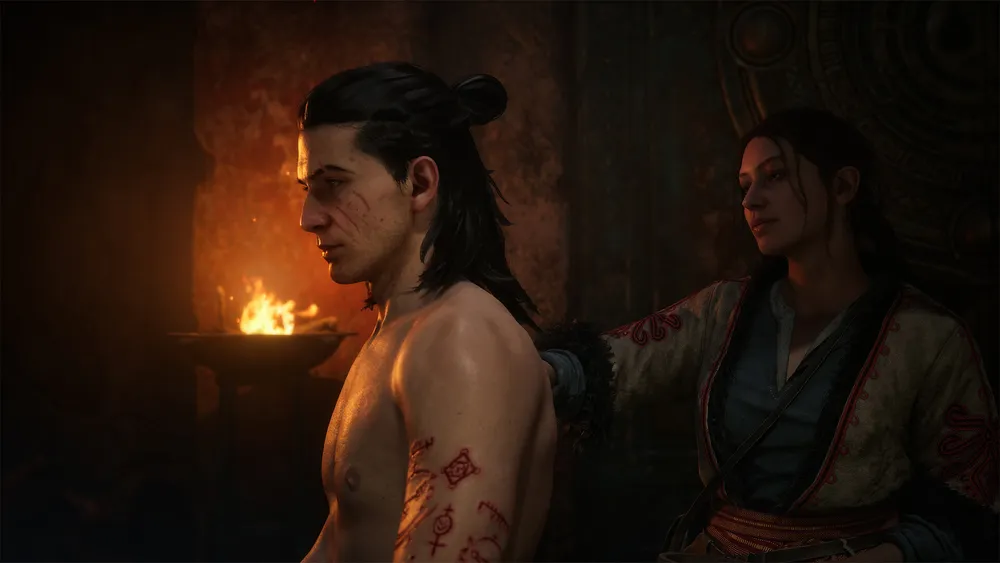
Sustainable ambition starts with an identity
For players, the practical benefit of game-first design is not that creators always know best. It is that a strong authorial position gives feedback something meaningful to challenge. Testers can say the timer creates tension or merely anxiety. Reviewers can judge whether vampire abilities transform the night. Communities can debate actual choices instead of comparing another carefully standardized content package by size.
For the industry, this approach offers a better route to durable success than trying to reverse-engineer last year's hit. Distinct games build catalogs, reputations, and audiences that can support the next risk. The Witcher did not become a useful reference point because its earliest decisions matched the safest Western RPG template. It became one because enough specific choices accumulated into an identity people could describe.
Investors and publishers still need milestones, but those milestones can measure whether the intended game is becoming clearer: a combat slice that proves the day-night distinction, a quest that demonstrates meaningful time, or performance targets met on representative hardware. Such evidence controls risk without replacing design with a sales projection. Discipline should protect the premise rather than average it away.
The Blood of Dawnwalker still has to earn the confidence behind its director's words. A good principle cannot guarantee a good game. Yet the order is right: decide what is worth making, build it with discipline, explain it honestly, and let sales measure whether that conviction found an audience. Starting with the target and working backward may produce a broader product. It rarely produces a stronger reason to remember it.

Related posts

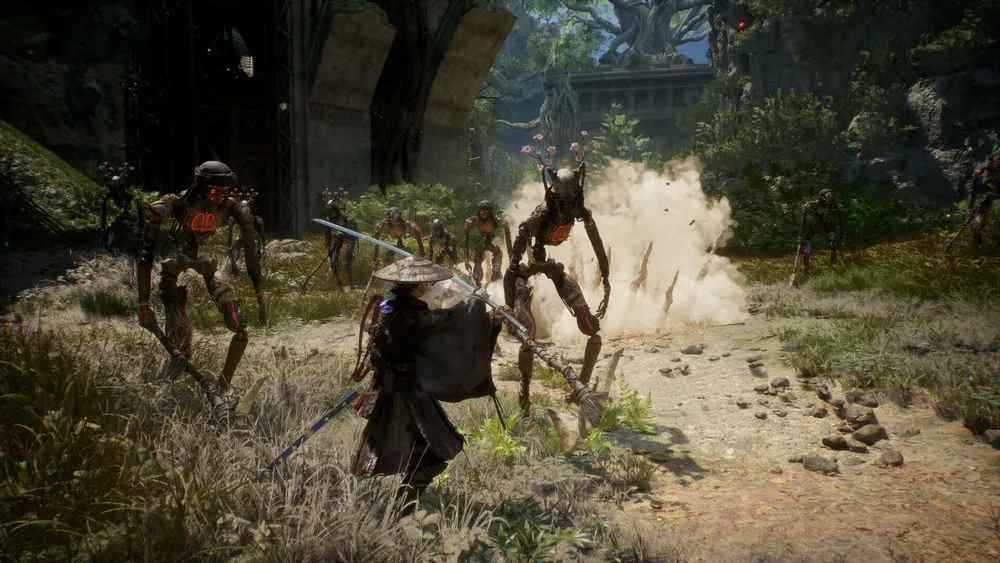
Beast of Reincarnation Is the Reinvention Game Freak Needed
Game Freak's new action RPG is valuable because it cannot be mistaken for Pokémon. A different scale, tone, and combat language can reveal strengths hidden by one defining franchise.

Rise of the Ronin Shows the Best Thing a Subscription Can Do
Subscription catalogs are at their best when they create a second launch for a game that was easy to overlook. Rise of the Ronin is a better argument for PS Plus than another day-one content race.
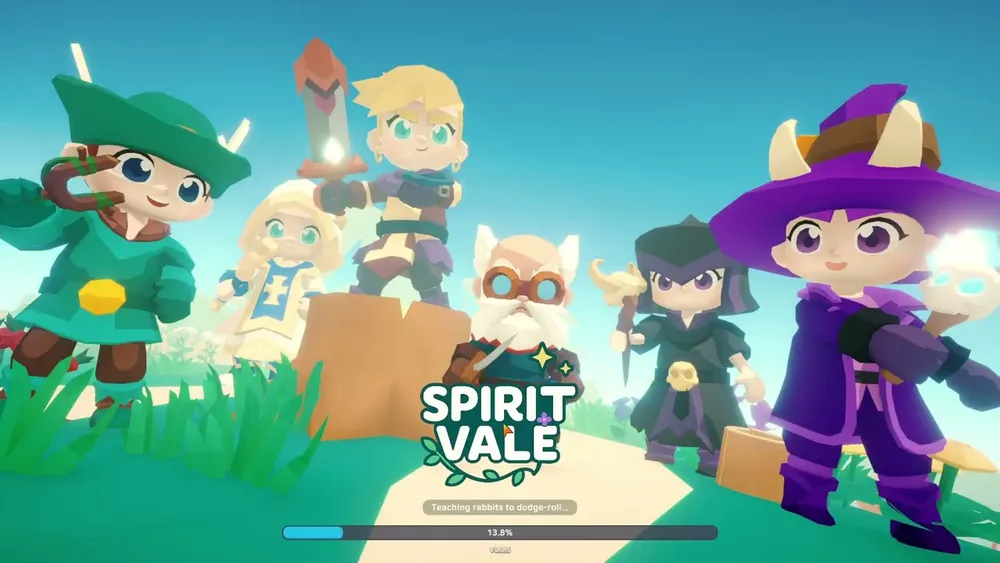
Spirit Vale's Early Access Launch Buckled Under Its First Crowd
Spirit Vale's July 15 Early Access launch drew a surge of negative Steam reviews as servers, portals, waypoints, and skills failed. Its rapid hotfixes now matter more than the launch label.

Cyberpunk 2077's 40 Million Comeback and Its Soulless Night City
Cyberpunk 2077 just crossed 40 million copies sold and CD Projekt is celebrating a historic comeback. As a betrayed 2020 preorder buyer, I'm floored by the ray tracing and still unconvinced Night City ever got a soul.