
Warframe: 1999 Changes the Mood Without Losing the Game
Live-service expansions often announce themselves with a familiar promise: higher numbers, a new tier, and enough equipment to keep the old loop moving. That can work, but it also makes every season sound like a revision to the same spreadsheet. Warframe: 1999 is more interesting because its central proposition is a change of mood. A new city, a different era, a new cast, and an altered cultural texture can make a veteran game feel strange again without requiring it to throw away the language players already know.
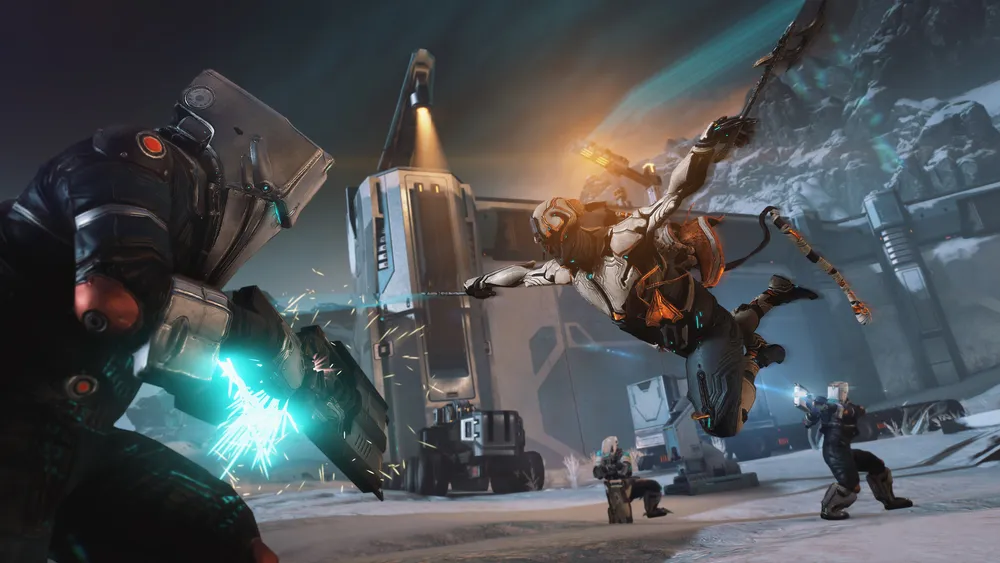
The official Warframe: 1999 page places the update in Höllvania, identifies the Hex, the Techrot crisis, Protoframe relationships, Gemini skins, and the Atomicycle. Digital Extremes' gameplay demonstration summary also frames the new location, faction, and traversal vehicle as parts of one setting. That is more coherent than treating a new mission type, vehicle, and cosmetic line as unrelated boxes on a season plan.
A new place needs a playable identity
Setting changes earn their keep when they affect decisions. Höllvania is not useful because it has a date in its name. It is useful if streets, checkpoints, underground space, seasonal variation, and the Atomicycle make movement and objectives feel different from a familiar corridor. The official site describes the Scaldra, Techrot, and different areas of the city. Those details become design rather than wallpaper when they influence sightlines, encounter pressure, and the rhythm between missions.
The danger is nostalgia as a costume. A period soundtrack, old interfaces, and fashionable references can generate a quick reaction while leaving the core activity untouched. Warframe: 1999 avoids that trap only if its tone is carried by systems as well as art. The player should feel the city in how they travel, meet allies, confront threats, and return to a base. If the update merely replaces one set of loading-screen icons with another, the new era has no real consequence.
Familiar systems make the strange legible
There is an honest limit to how far a long-running game can reinvent itself at once. People return to Warframe because they understand its movement, combat flow, collection, and co-op cadence. An expansion that rejects all of that can leave the update feeling like an expensive detour. The stronger approach is contrast: keep enough familiar verbs that a veteran can read the moment, then let the altered context make those verbs feel newly charged.
That balance also helps newcomers. A clear new setting can provide an entry point, but only if its story and mechanics are not buried under years of assumptions. Digital Extremes should explain how 1999 connects to the broader game without treating orientation as a spoiler tax. The more specific the mood, the more important it is to make the on-ramp readable. Mystery can be part of the fiction; confusion should not be the tutorial.
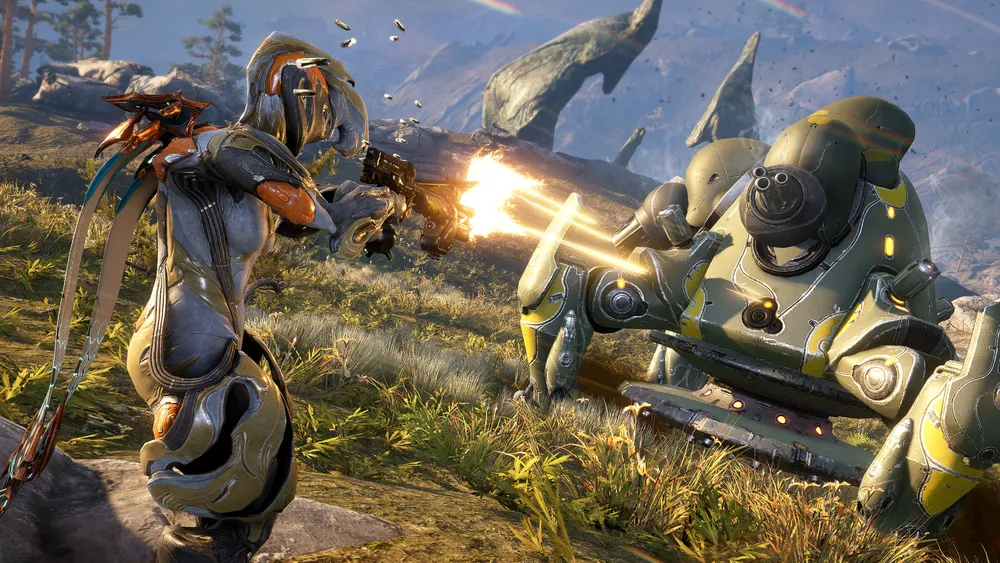
Warframe: 1999 offers a better ambition for ongoing games than endless vertical growth. Change the place deeply enough that players have new questions, but keep the core language sturdy enough that the answers remain theirs to make. A live service does not have to become unrecognizable to surprise its audience. It has to make the familiar world feel like it has been viewed from a different century.

Related posts

Blue Prince Makes a House Feel Like a Question
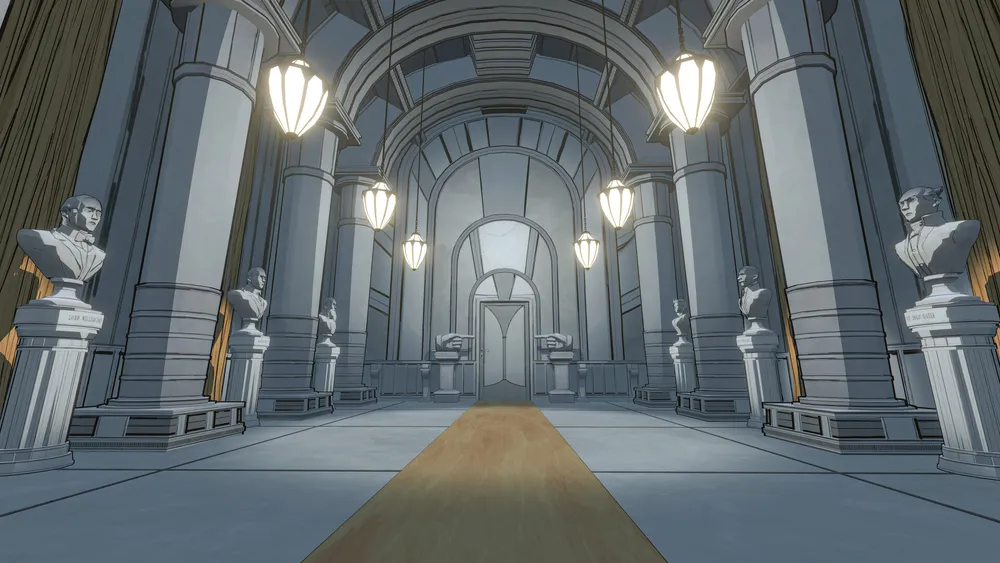
Blue Prince turns a changing floor plan into a puzzle about memory, evidence, and deliberate uncertainty. Its rooms matter because discovery is legible without being handed over.

Like a Dragon: Infinite Wealth Makes Side Stories Matter
Like a Dragon: Infinite Wealth understands that optional stories are not spare content. They give an RPG a second language for character, comedy, and place that the main plot cannot always use.

Steam Deck Verified Is Useful Only When It Explains the Compromise
Steam Deck Verified is valuable when it explains controls, display, launchers, and system support. A green checkmark should start a purchase decision, not substitute for it.
Silent Hill 2 Remake Works Best When It Leaves You Uneasy
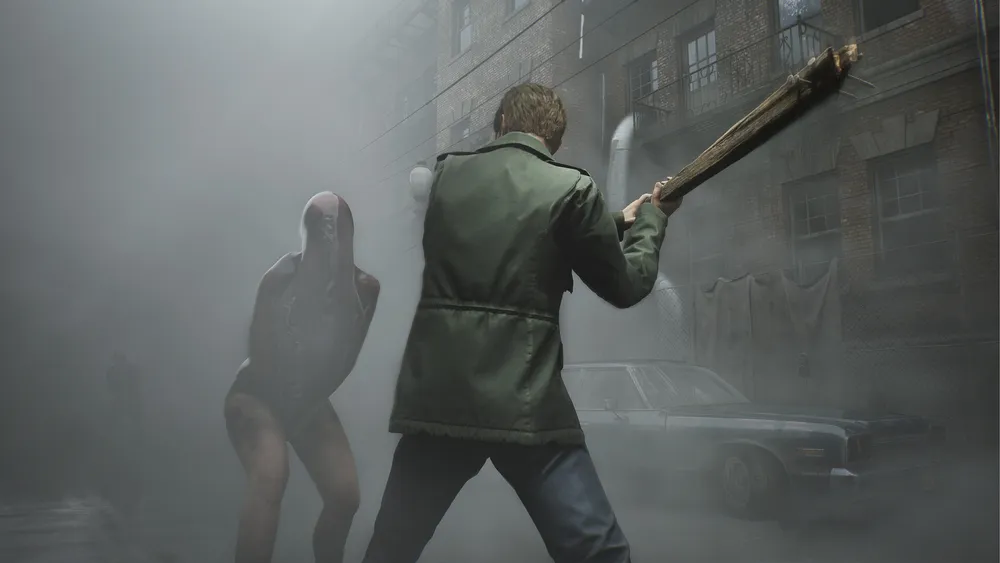
Silent Hill 2's remake has room to modernize its presentation, but its psychological horror works only when new technology sharpens uncertainty instead of explaining the town away.