
Rise of the Ronin Shows the Best Thing a Subscription Can Do
The least interesting promise a game subscription can make is that it contains a large number. Hundreds of titles sound impressive until the menu opens and all that abundance becomes another wall of boxes competing for ten seconds of attention. The more useful promise is smaller: a good catalog can give one overlooked game a second launch, this time without the price, marketing noise, and crowded release week that shaped its first impression.
Rise of the Ronin joining the July PlayStation Plus catalog is a clean example. Sony's official catalog announcement places Team Ninja's open-world action RPG beside Avatar: Frontiers of Pandora and several smaller games. In the United States and United Kingdom, Ronin entered the catalog on July 15; the broader lineup rolled out on varying regional dates.
Nothing about the game changes when it moves into PS Plus. Its combat systems, historical setting, uneven edges, and enormous map are the same. What changes is the question facing the player. A full-price purchase asks whether this is the game worth choosing over everything else. A catalog download asks whether it is worth an evening and some storage space. That lower threshold can be more important than any discount.

A second launch without the launch-week baggage
Games rarely receive a fair hearing at release. They arrive beside larger brands, inherit arguments from preview coverage, and get reduced to one comparison that is easy to repeat. For a combat-focused game from Team Ninja, every discussion can collapse into whether it is another Nioh. For an open world, the checklist becomes the story before players have learned what the combat does differently. Months later, those framing battles matter less.
A subscription can create that later moment at scale. Friends download the same game because the financial decision has already been made. Guides and patches are available. The audience knows where expectations were inflated and where the original criticism was fair. Instead of launching into a vacuum, the game re-enters a conversation with more useful context. That is not charity for an old release; it is a second distribution window.
Rise of the Ronin is well suited to that window because its strengths require time. Team Ninja's combat vocabulary is not fully visible in a trailer, and an open-world structure can initially make the game look more conventional than the systems underneath it. A catalog audience can experiment with weapons, stances, and difficulty without asking whether every slow first hour has already justified a premium purchase. Reduced financial risk creates patience, which is one of discovery's least discussed resources.
The timing also changes comparison. At launch, an open-world action RPG is measured against whatever enormous game shares the release calendar. In a catalog, it competes less with one headline and more with a player's mood. Someone can choose it because historical Japan sounds appealing that weekend, then keep going because the combat establishes its own identity. Subscriptions are most useful when they loosen genre from launch-week hierarchy.
Publishers benefit too. A catalog appearance can revive multiplayer populations, sell expansions, and introduce a studio's style before its next project. But the player-facing value should remain the test. A service earns its monthly fee when it helps people find something they would otherwise have missed, not when it turns every release into a temporary sample designed to lead toward another purchase.
Access is not ownership
The limit is built into the model. Catalog games can leave, subscriptions can rise in price, and access ends when the payment stops. PS Plus does not preserve Rise of the Ronin; it rents a wider doorway into it. That distinction should stay visible, especially when platform holders use the language of libraries for collections that players do not control.
There is also a danger in treating subscription placement as rehabilitation by default. Not every overlooked game is a hidden masterpiece, and a lower price does not erase structural repetition or technical problems. The catalog creates a chance to judge with less friction. It does not require a kinder verdict.
The publisher's incentives deserve equal scrutiny. A catalog payment can extend revenue, but it may also teach customers that mid-budget releases are temporary products best approached through a service. If the appearance comes too soon or without a clear retail path, the second launch can weaken the first launch of the studio's next game. Platform holders should give removal notice, offer subscriber discounts before departure, and keep ordinary purchase available so discovery can turn into ownership.
Curation matters more than monthly volume here. A useful service would explain why Ronin deserves another look, surface it beyond one banner, and keep recommendations connected to what people actually play. Dropping a substantial game into a catalog of hundreds without editorial support reproduces the same visibility problem at a lower price. A second launch still needs a stage.
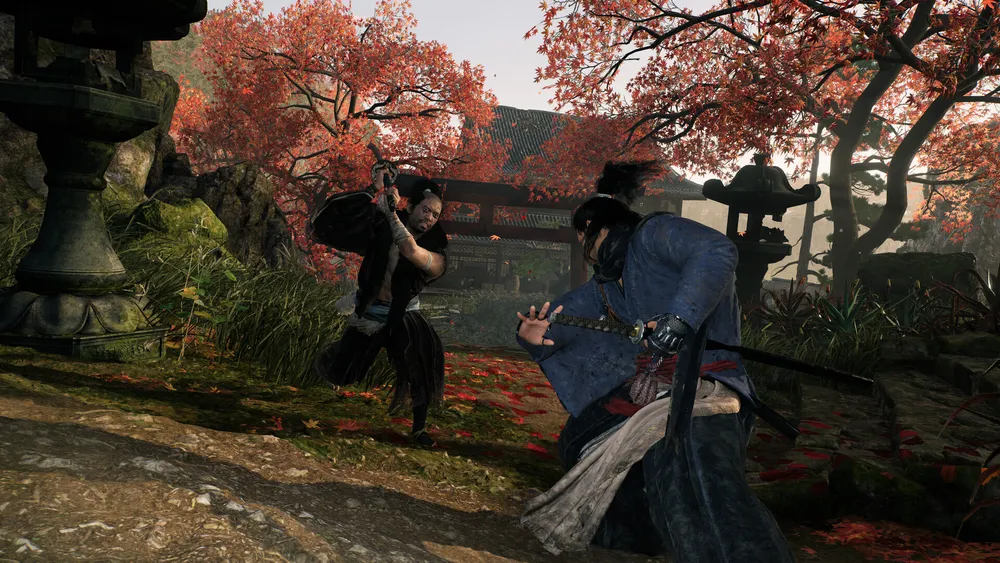
That is still enough. The best subscription outcome is not a permanent flood of day-one releases that teaches audiences to wait for everything. It is a carefully timed return that lets a substantial game meet players outside the worst conditions of launch. Rise of the Ronin now gets to make its case with the purchase anxiety removed. For a catalog built on discovery, that is the job worth paying for.

Related posts

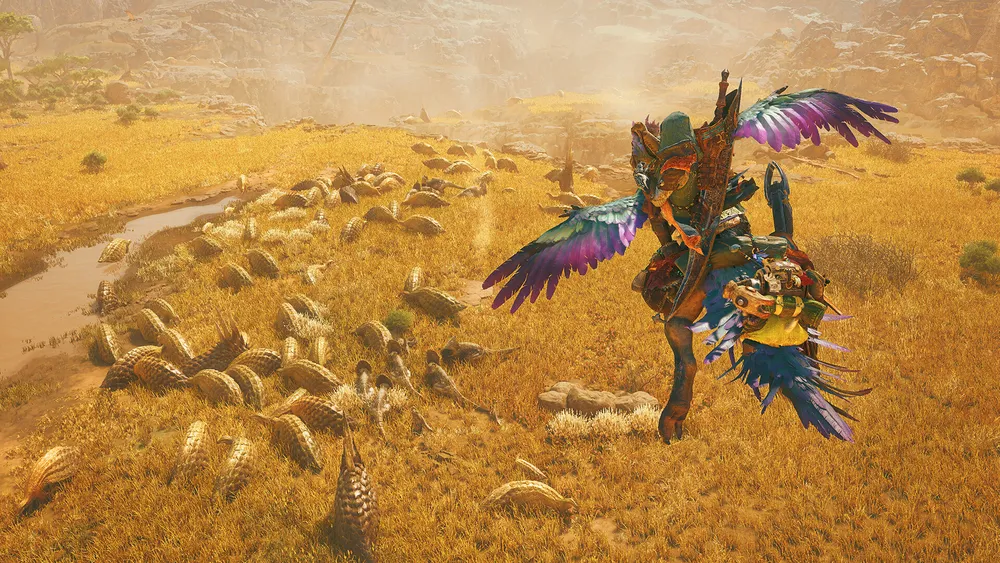
Monster Hunter Wilds Needs a Hunt to Be More Than a DPS Check
Monster Hunter Wilds is at its best when tracking, weather, preparation, and teamwork change a hunt before the damage race begins.
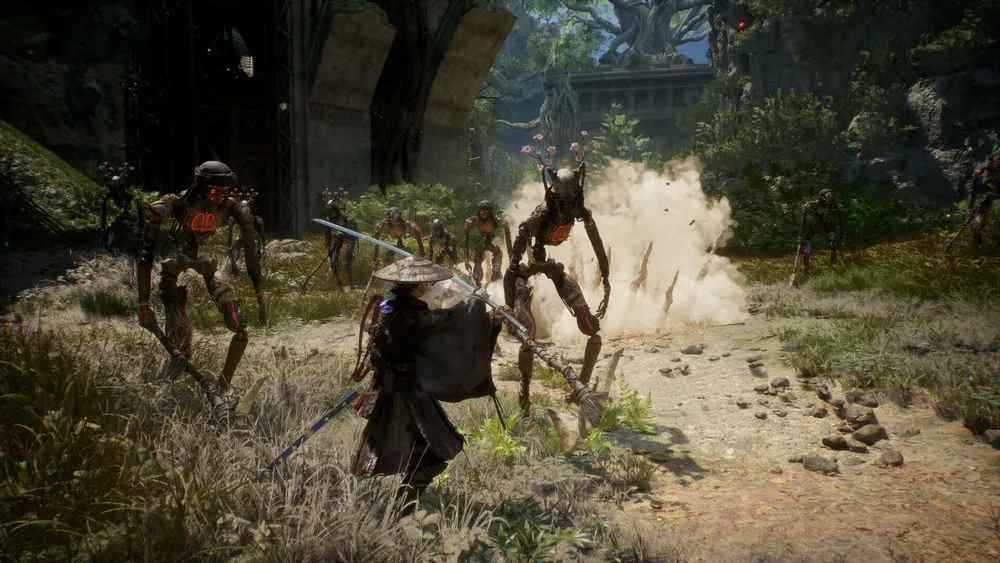
Beast of Reincarnation Is the Reinvention Game Freak Needed
Game Freak's new action RPG is valuable because it cannot be mistaken for Pokémon. A different scale, tone, and combat language can reveal strengths hidden by one defining franchise.
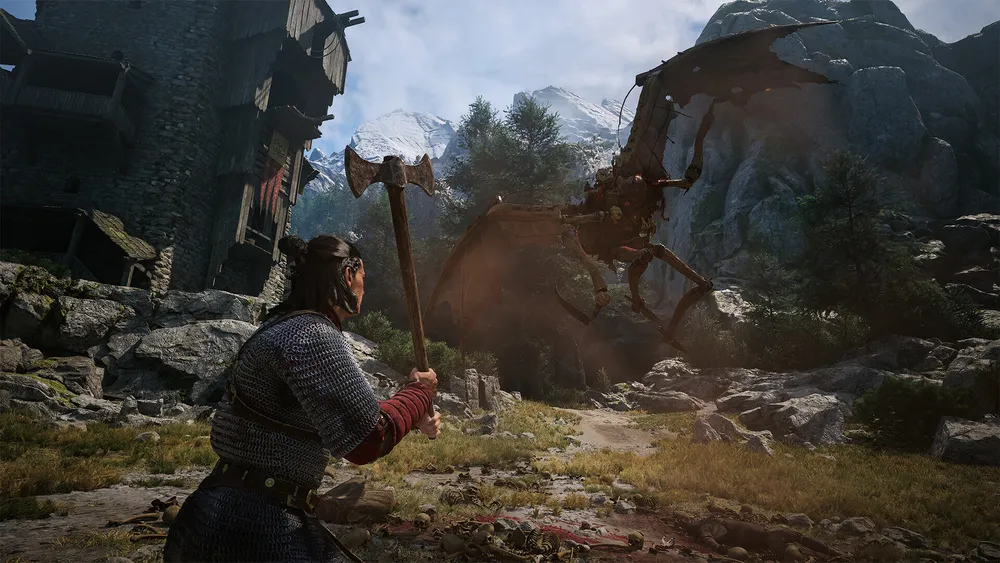
The Blood of Dawnwalker Is Right to Put the Game Before the Sales Target
Rebel Wolves says sales are secondary to making the RPG it believes in. That creative priority is healthy, provided ambition is matched by disciplined scope and honest production.
Spirit Vale's Early Access Launch Buckled Under Its First Crowd
Spirit Vale's July 15 Early Access launch drew a surge of negative Steam reviews as servers, portals, waypoints, and skills failed. Its rapid hotfixes now matter more than the launch label.