
Project Ascension Sued as Blizzard's WoW Crackdown Grows
This is the third time this year Blizzard has hauled a World of Warcraft private server into court, and this time it went after one of the biggest. Project Ascension, a free-to-play server with a player base hovering around a million, now faces a lawsuit accusing its operators of building a business on what Blizzard calls the "large-scale, egregious, and ongoing infringement" of its intellectual property. Three targets deep, the pattern looks less like routine cleanup and more like a campaign.
The crackdown opened quietly. Earlier this year Blizzard hit Turtle WoW with a cease-and-desist order, then served the same notice on Stormforge, another server kept alive by the game's own players. At the time nobody could draw a clean line connecting the two, but the company was plainly not done. On June 12 it escalated, filing a formal complaint against Project Ascension. "The defendants have built an entire business on large-scale, egregious, and ongoing infringement of Blizzard's intellectual property," the complaint reads, singling the server out as one of the largest WoW emulators running today.
What makes Project Ascension worth a lawsuit is also what makes it interesting. Rather than rebuilding retail WoW one patch at a time, it throws out the class system entirely. Players pull abilities from across every class and stitch together their own builds, then run those characters through custom raids, alternate progression modes, and a free-to-play structure that asks for nothing up front. It has operated for years, and it has done so in the open, hardly hiding from the company whose engine and lore it leans on. That visibility is probably what finally moved Blizzard from grudging tolerance to a court filing.
Twenty-one days to answer
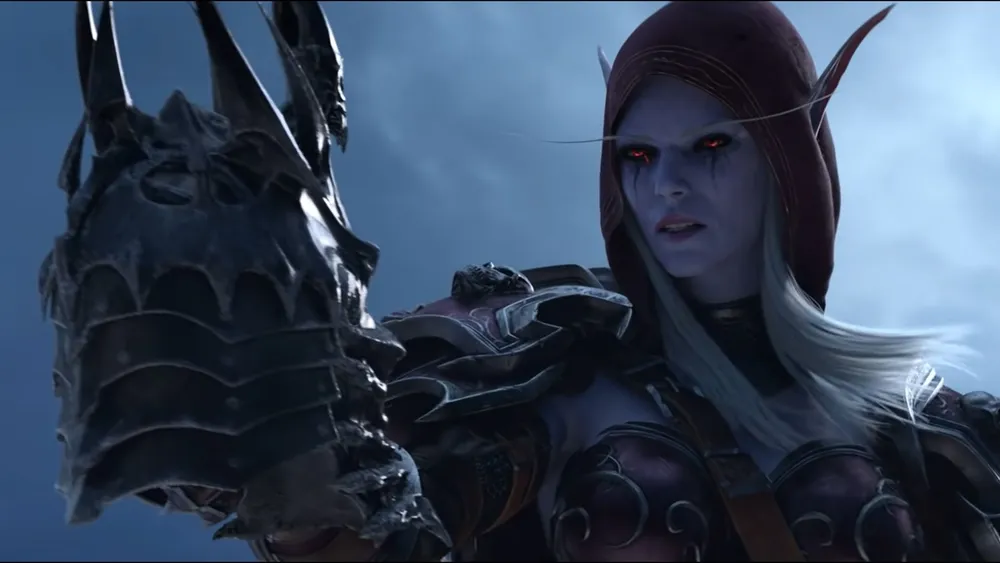
A few days after the complaint, Blizzard followed up with a summons request, and that is where the timer starts. Under the filing, the people behind Project Ascension have 21 days from being served to respond with an answer or a motion. Miss that window and the court can enter a default judgment, handing Blizzard whatever the complaint demands without the other side ever arguing its case. For a server that spent years building a community, three weeks to assemble a legal defense against one of the most litigious publishers in games is barely room to breathe.
The timing borders on comedy. Roughly a day before the summons news broke, Project Ascension's official YouTube channel was busy announcing 21 brand-new classes, the sort of update that takes months of work to ship. The developers, in other words, were still pouring effort into the project even as the legal noose pulled tight. Whether you read that as confidence, denial, or plain momentum is hard to call. It does not look like a team quietly preparing to fold.
The business model is the real story
Blizzard would rather you skim past what this fight is actually about. Strip away the legal language and what is left is a business model that should have aged out of the industry by now. To play WoW the official way, you buy the base game, you buy each expansion as it lands, and then you pay a monthly subscription on top of all of it. Three separate charges for one game. In nearly every other corner of gaming, once you have paid, the thing is yours to play how you like: offline, on a friend's server, however you want. WoW asks you to keep feeding the meter forever, and treats anything else as theft.
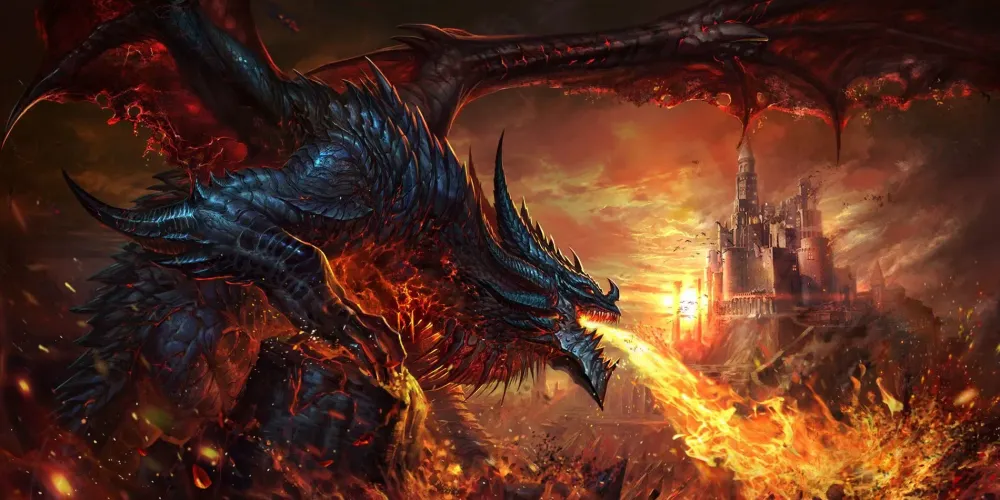
And the expansions are not cheap nostalgia bundled in for free. Each one, going back through the Cataclysm era and its world-wrecking villain Deathwing, arrived as a fresh purchase stacked on the subscription you were already paying month after month. That is the arrangement players are now expected to defend as the only legitimate way to touch the game. Set against it, a free, classless alternative that lets you experiment without a credit card, and it stops being a mystery why roughly a million people signed up.
If the subscription truly is the beating heart of WoW, the honest move would be to lean all the way into it. Make the base game free. Make the expansions free. Charge the monthly fee alone and let it carry the whole thing. Plenty of live-service games already give the client away and earn their money on what comes after, and the sky has not fallen on any of them. Blizzard could do the same and lose almost nothing, while deleting the most obvious complaint people have about getting in. Instead it guards a tower of paywalls, then acts startled when players go looking elsewhere.
A million people did not flock to Project Ascension because they hate World of Warcraft. They went because they love it and resent paying three times over for the privilege.
— Nerdrassil
None of this means Project Ascension is likely to win. Blizzard owns the code, the art, and the lore, and courts tend to back that ownership hard. The server will probably meet the same end as Turtle WoW and Stormforge, and the deadline leaves little time for a miracle. But winning the lawsuit is not the same as winning the argument. Every time the company hauls a fan project before a judge, it advertises the exact reason those projects exist. Until Blizzard rethinks how it charges for its own game, the servers will keep appearing, and the lawyers will stay busy. Sources: the federal court filing hosted by CourtListener and GamesRadar's report on Blizzard's complaint.

Related posts

New World: Aeternum Is Shutting Down, and It Deserved Better
New World: Aeternum finally has a shutdown date, and Amazon's MMO is going out the way it lived, full of wasted potential. A look back at the game that hooked me and then broke my heart.
Indiana Jones and the Great Circle Understands Adventure Needs Quiet Spaces
An analytical look at how first-person exploration, puzzles, and improvised tools can turn familiar mechanics into choices players can understand and remember.
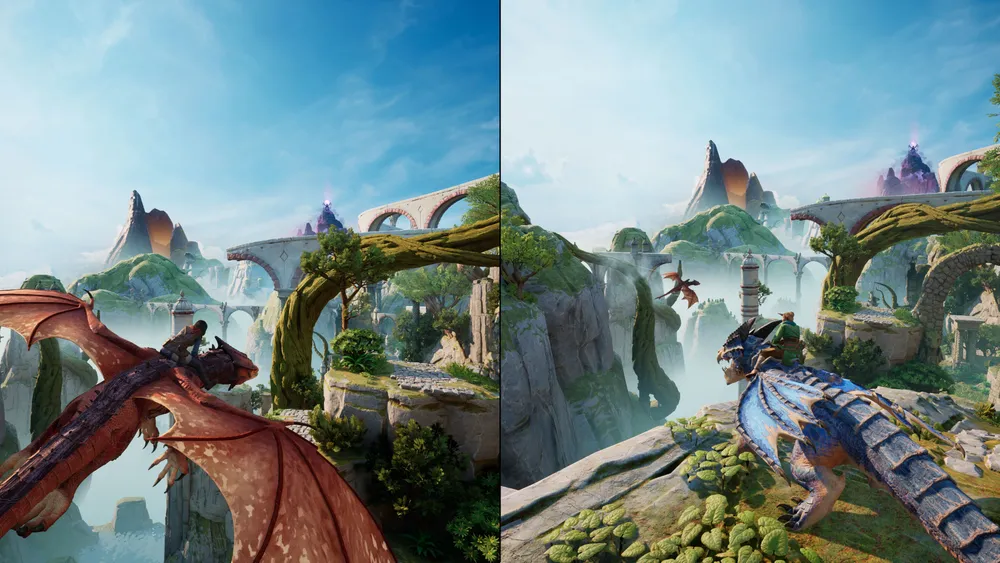
Split Fiction Shows Co-Op Works When Players Need Different Things
An analytical look at how two writers, split abilities, and asymmetric co-op can turn familiar mechanics into choices players can understand and remember.
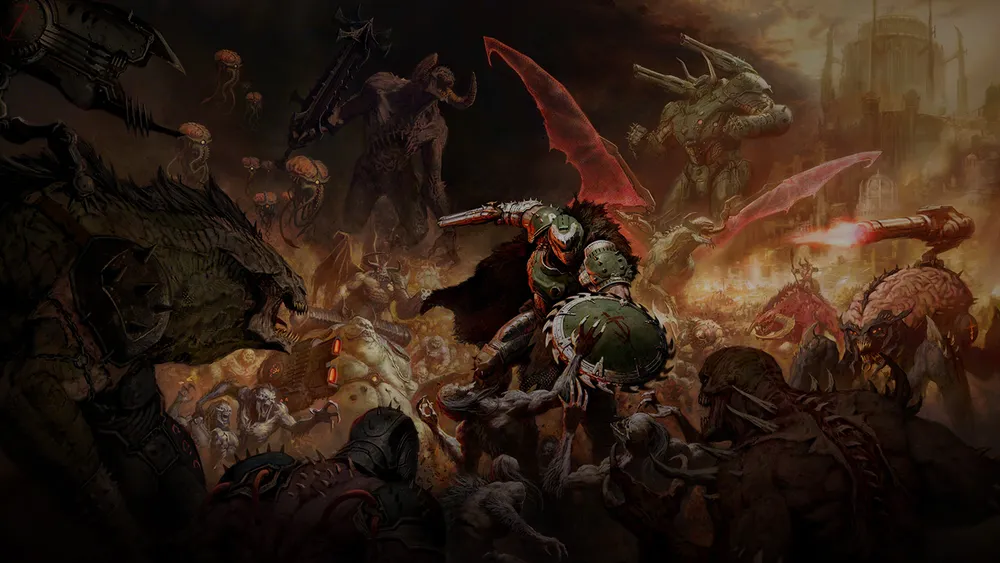
DOOM: The Dark Ages Makes a Power Fantasy Stronger With Limits
An analytical look at how the Slayer Shield, parries, and deliberate aggression can turn familiar mechanics into choices players can understand and remember.