
Satisfactory 1.0 Proves Factory Games Need an Ending
Factory games are experts at making the next improvement feel necessary. One belt becomes two, one machine exposes a shortage, and a shortage becomes an invitation to redesign an entire district. That momentum is wonderful, but it can also leave a player with no answer to a basic question: what is this vast machine for? An ending does not have to halt creativity. It can give the work a direction, then let players decide whether their most elaborate construction starts before or after the credits.
Coffee Stain's support FAQ records Satisfactory's early-access releases in 2019 and 2020 and its full 1.0 release on September 10, 2024. That long runway is relevant because early access trains players to think of a factory as permanently unfinished. A full release should do more than change a version number. It should clarify which goals form a complete journey and which systems remain available for the player who sees a complete journey as the beginning of a bigger experiment.
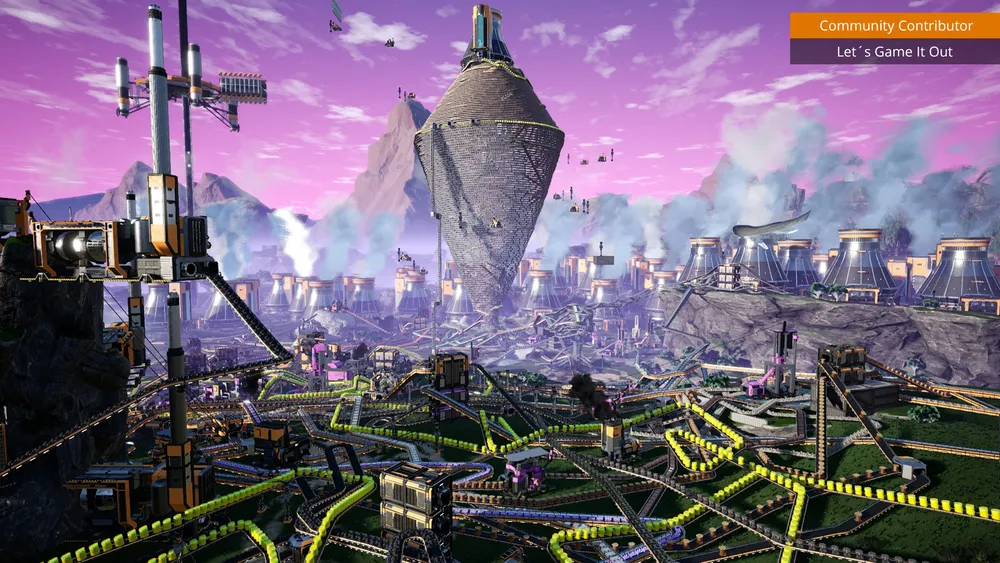
Closure gives systems a shape
A clear objective changes planning. It makes a player ask which production chain matters now, which inefficiency is acceptable, and whether a beautiful redesign actually serves a goal. Without that horizon, optimization can become an endless argument with oneself. There will always be a tidier ratio, a cleaner bus, or a more impressive tower. A conclusion does not solve every problem. It tells players which problems are worth solving for this particular run.
That is not a call for a rigid campaign that punishes playful construction. Some of the genre's best moments happen when a player decides the sensible factory is boring and builds a train line across a valley for the view. The point is choice. A player who wants to improvise should know they are wandering on purpose, not because the game forgot to tell them what success looks like. Completion is a tool for agency, not a deadline.
The post-game can be more honest
An endless post-game works best after the game has earned it. Once the main production arc is resolved, overbuilding becomes a personal project rather than an obligation disguised as content. Players can chase efficiency, architecture, community blueprints, or self-imposed constraints because they want to see what their factory can become. The difference is subtle but important. Infinite possibility feels generous only after the player has been allowed to finish something.
There is a commercial temptation to avoid conclusions. A game that cannot be completed is easy to describe as inexhaustible. But exhaustion is not the same as depth. A system can be deep enough to revisit for years and still provide an authored moment that says the original objective has been met. That moment can make a player more willing to start a new save, teach a friend, or return for a challenge because the first journey has a coherent memory.
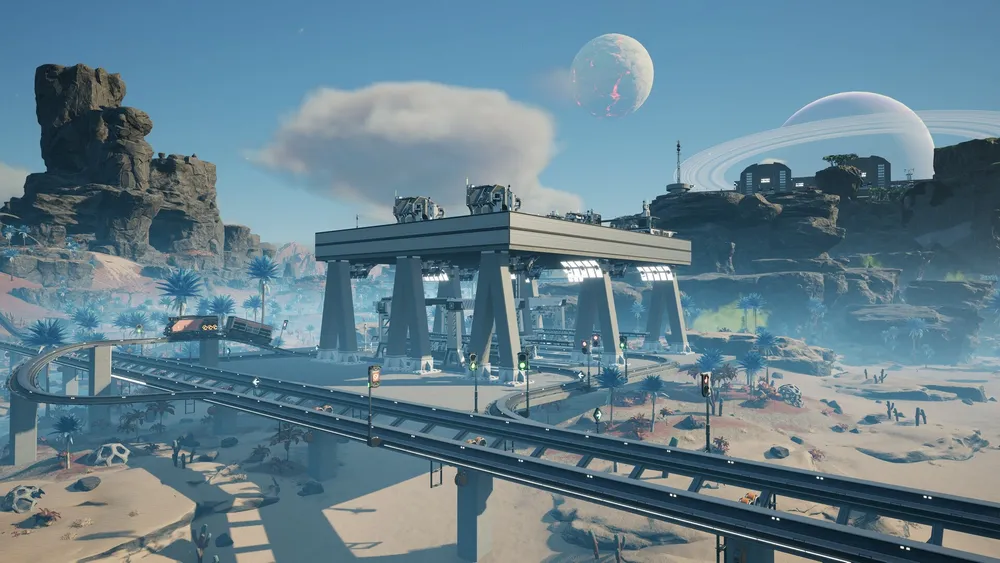
Satisfactory 1.0 is a useful reminder that systems games do not become smaller when they offer an ending. They become easier to read. A finish line lets players see the shape of what they built, celebrate its awkward compromises, and then ignore the line entirely if they feel like rebuilding it better. The most durable factory is not the one that refuses to end. It is the one that gives players a reason to decide what comes next.

Related posts


Blue Prince Makes a House Feel Like a Question
Blue Prince turns a changing floor plan into a puzzle about memory, evidence, and deliberate uncertainty. Its rooms matter because discovery is legible without being handed over.

Like a Dragon: Infinite Wealth Makes Side Stories Matter
Like a Dragon: Infinite Wealth understands that optional stories are not spare content. They give an RPG a second language for character, comedy, and place that the main plot cannot always use.
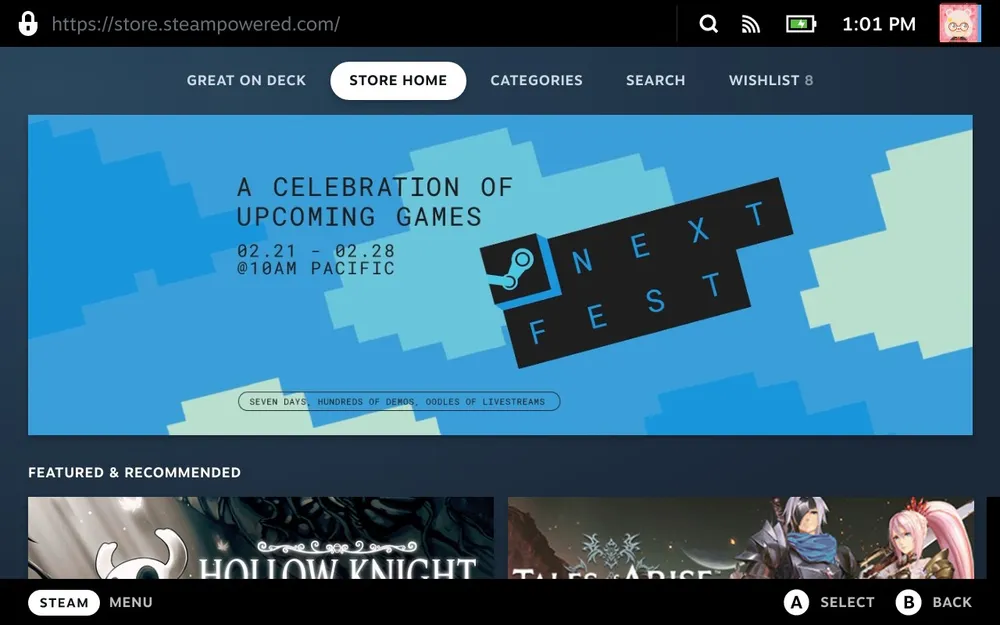
Steam Deck Verified Is Useful Only When It Explains the Compromise
Steam Deck Verified is valuable when it explains controls, display, launchers, and system support. A green checkmark should start a purchase decision, not substitute for it.
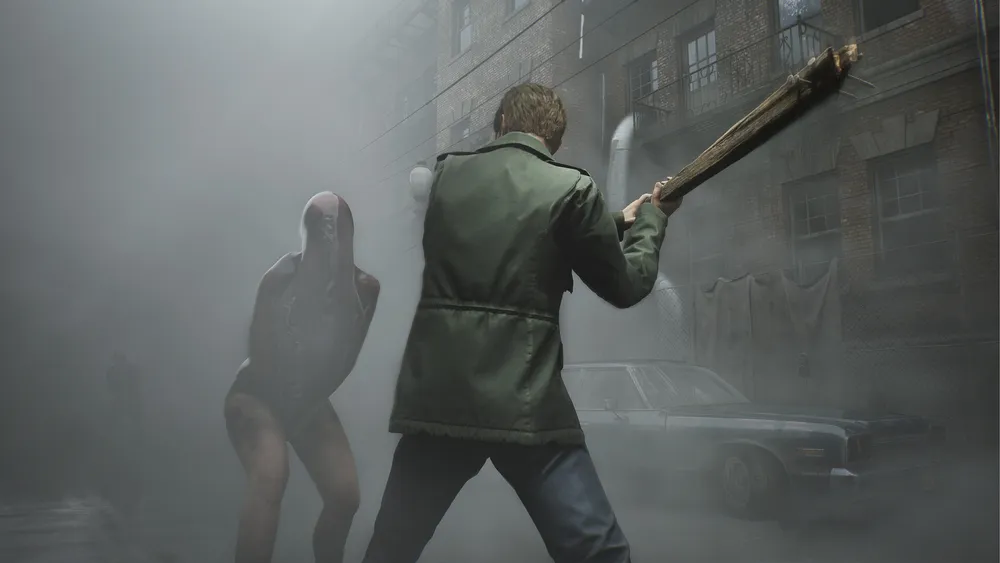
Silent Hill 2 Remake Works Best When It Leaves You Uneasy
Silent Hill 2's remake has room to modernize its presentation, but its psychological horror works only when new technology sharpens uncertainty instead of explaining the town away.