
Black Ops Proves Nostalgia Is Not a Substitute for a Good Port
Nostalgia can get an old multiplayer game through the front door. It cannot populate five separate hallways once everyone arrives. That is the problem with the new PlayStation ports of Call of Duty: Black Ops and Black Ops 2. Their return should have been an easy celebration: two campaigns, two Zombies modes, and two multiplayer communities restored on hardware that millions of people still use. Instead, the package seems designed to divide the audience before the first lobby fills.
The details come from MP1st's launch-day examination, which reports that each port costs $40, sells downloadable maps separately, and lacks crossplay. More damaging, native PS4 and PS5 versions cannot play together. The report also identifies missing features including leaderboards, Theater mode, wager matches, ranked play, and the online population counter.
A straight port is not inherently an insult. Old art, old balance, and old movement can be exactly what returning players want. The failure is charging a premium while withholding the infrastructure that would make a multiplayer revival sustainable. Preservation means keeping the work accessible. A commercial rerelease has a second obligation: it must present that work coherently on the platforms where it is being sold.
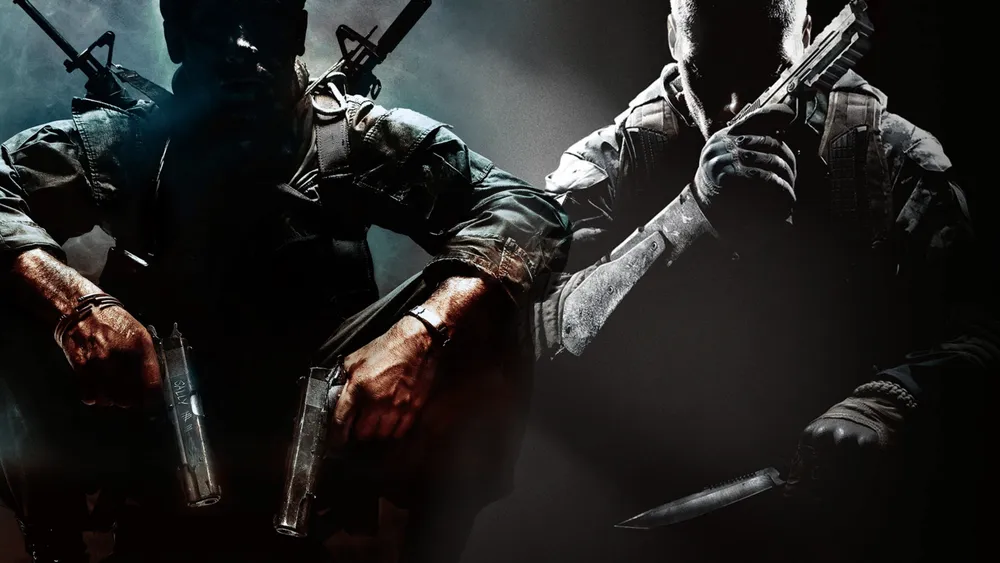
Multiplayer history needs shared rooms
Crossplay is sometimes treated like a modern luxury, useful for launch-week convenience but optional for older games. Here it is closer to preservation infrastructure. Every platform boundary reduces the number of matches available at a given time, skill level, region, and mode. Split PS4 from PS5, then split both from Xbox and PC, then divide the remainder across two games and their playlists. A famous population can become a collection of quiet queues remarkably fast.
The missing social tools hurt for the same reason. Leaderboards, Theater, population counters, and wager matches were not decorative menus around Black Ops. They shaped how players competed, shared clips, chose modes, and understood the scale of the community. Removing them preserves the mechanical center while discarding some of the connective tissue that made these games feel like places.
Security is another part of that social contract. Returning players should not have to choose between empty modern ports and legacy versions whose old exploits were never built for today's environment. A serious rerelease needs anti-cheat maintenance, reporting tools, sensible defaults for voice communication, and a plan for patched vulnerabilities. Restoring matchmaking without restoring trust only recreates the lobby icon.
Modern ports also have an opportunity to consolidate content. Map packs that once funded a game's active year become population barriers when sold separately more than a decade later. Including maps in the base price would give matchmaking the widest common pool and make the $40 fee easier to understand. Charging again for old segmentation preserves a business model whose original purpose has expired.
There are legitimate complications. Old networking code can be difficult to secure. Cross-generation certification costs money. Theater systems may depend on backend services that were never designed for modern consoles. None of that makes the work trivial. It does make the $40 price harder to defend, because premium pricing tells customers that the difficult parts have been handled.
A port should know what it is selling
If the product is a museum piece, it should be complete, clearly documented, and priced like an archive. If it is a multiplayer relaunch, it should connect the largest safe audience possible and restore the systems that support repeat play. These ports try to occupy both categories while doing the minimum required by either. Campaign and Zombies remain valuable, but their presence does not answer the multiplayer problem.
A stronger package could have made the distinction explicit. Campaign and Zombies could function offline with complete content, while a unified multiplayer client connected both console generations and communicated which legacy modes were unavailable. Version notes, original credits, and preserved settings would serve the archive. Crossplay, anti-cheat, and consolidated DLC would serve the relaunch. Neither goal requires pretending the 2010 backend can simply be lifted unchanged.
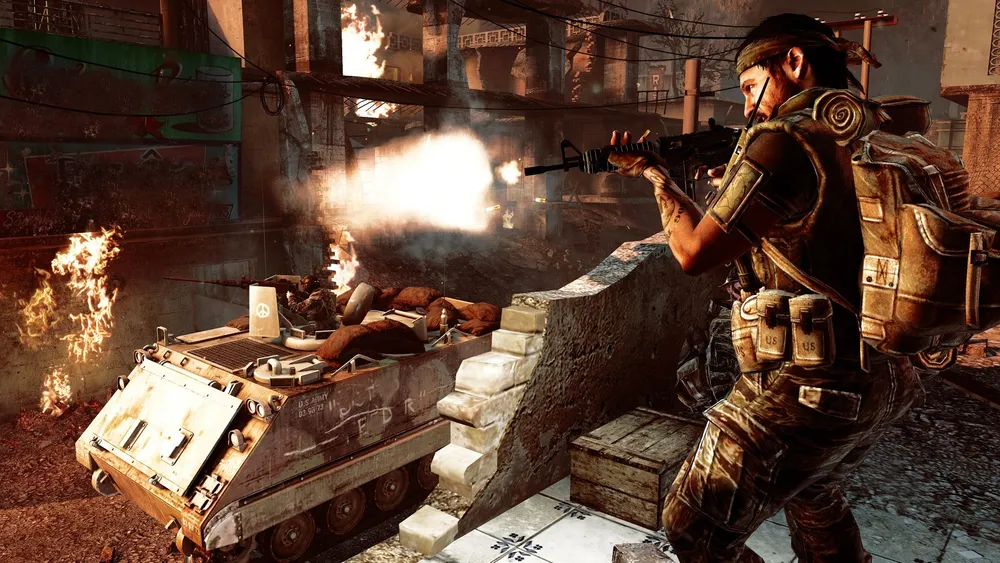
For players, these omissions change the value long after purchase. A campaign can be replayed whenever the owner chooses; a fragmented multiplayer mode depends on everyone choosing at once. That makes infrastructure part of the product, not an optional service around it. A port sold on communal memory has to protect the conditions that let memory become a match.
The most frustrating part is that the underlying games already did the hard creative work. Black Ops built a sharp Cold War thriller around paranoia and unreliable memory. Black Ops 2 took meaningful structural risks with branching outcomes and a near-future setting. Their multiplayer modes earned loyal audiences rather than borrowing one from a current brand. A careful rerelease did not need to invent appeal; it needed to stop that appeal from being stranded.
Nostalgia will still sell copies. It may even fill the obvious playlists for a while. But memory is a launch plan, not a maintenance plan, and fragmented communities do not become whole through affection alone. These games deserved ports built around the fact that their greatest asset was never a logo or an old menu sound. It was the number of people waiting on the other side of matchmaking.

Related posts

Halo Campaign Evolved Understands That a Remake Needs New Ideas
Halo's first campaign does not need another layer of polish alone. Campaign Evolved makes a stronger case for itself by adding missions and reconsidering how the original can be played today.
Team Fortress 2 Is Still Alive Because Its Community Owns the Future
Team Fortress 2's Summer 2026 update is another reminder that the game's real long-term advantage is not endless reinvention. It is a community with the tools, taste, and room to keep building.

Indiana Jones and the Great Circle Understands Adventure Needs Quiet Spaces
An analytical look at how first-person exploration, puzzles, and improvised tools can turn familiar mechanics into choices players can understand and remember.
Split Fiction Shows Co-Op Works When Players Need Different Things
An analytical look at how two writers, split abilities, and asymmetric co-op can turn familiar mechanics into choices players can understand and remember.