
Team Fortress 2 Is Still Alive Because Its Community Owns the Future
Most multiplayer games are built around a promise of permanent motion. A new season has to replace the old one, another progression track has to arrive before the current track expires, and the audience is trained to read any quiet month as decline. Team Fortress 2 has spent years proving that a game can age differently. It no longer needs to dominate the calendar. It only needs to remain sturdy enough for players to keep making reasons to return.
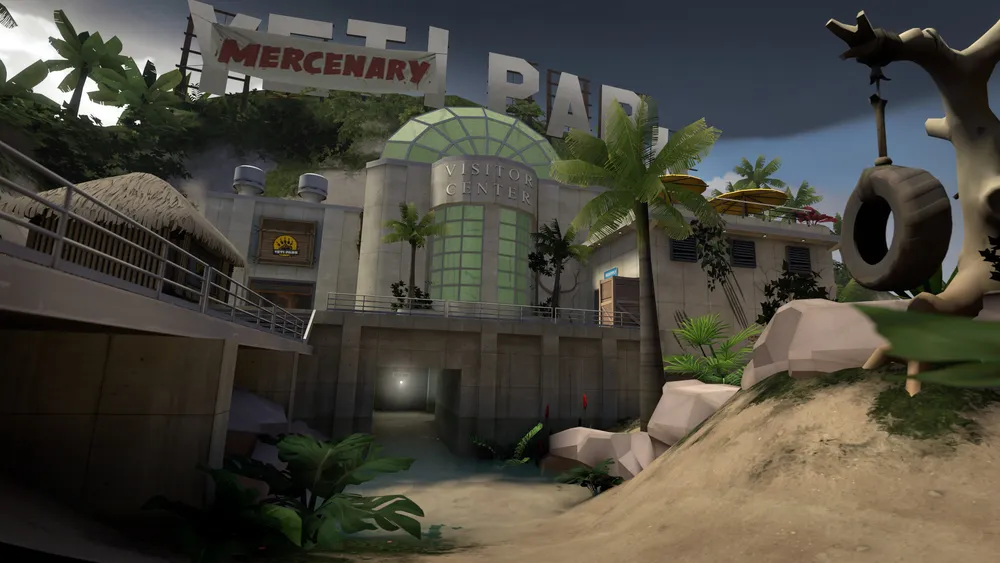
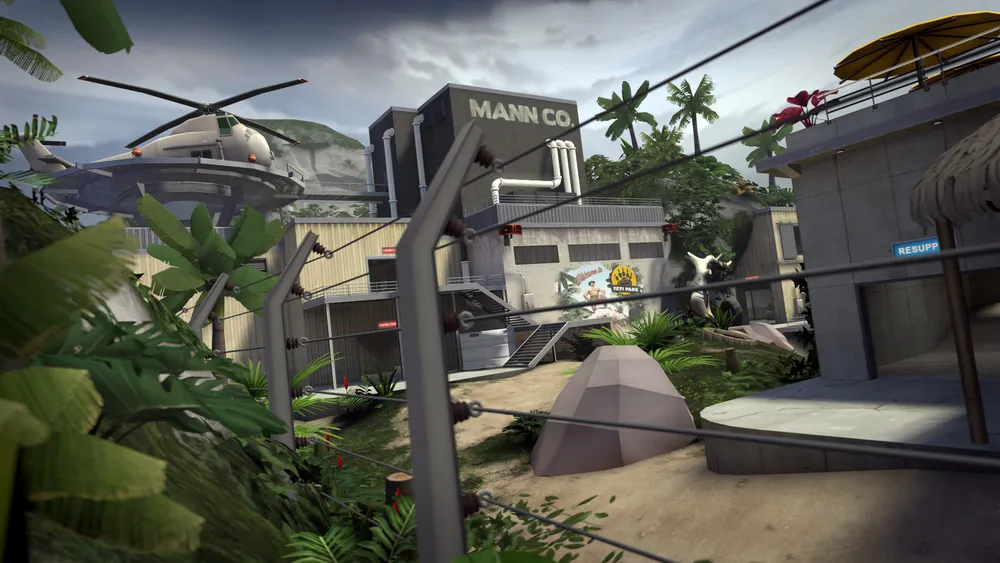
Valve's official Summer 2026 update makes that arrangement unusually visible. Its headline additions include six community maps, 24 community cosmetics, four community taunts, 12 community Unusual effects, and ten community War Paints. Even a long list of fixes credits individual contributors. This is not a studio pretending that fan work is a bonus around the edges. Community work is the update's center of gravity.
That is why Team Fortress 2's longevity is difficult to copy. A publisher can commission more content, but it cannot manufacture a scene that understands the game's silhouette, comic timing, sightlines, and social rituals well enough to extend them without sanding away the personality. Valve's smartest move was not simply opening a Workshop. It was letting the best work graduate into the official game, where it could become part of the shared language rather than remain a collection of private mods.
Maintenance became authorship
There is an important difference between keeping servers online and keeping a game culturally alive. Servers preserve access. New maps change the stories players tell. A well-made King of the Hill layout can create fresh rivalries, teach an old class a new route, and give regulars another place to waste an evening. Cosmetics and taunts matter for the same reason. In Team Fortress 2, standing around the objective doing something ridiculous has always been nearly as important as capturing it.
The community model also gives the game a useful filter. Team Fortress 2 does not need every idea to become a permanent system. Creators can test strange spaces and visual jokes at the edges, players can decide what survives contact with a real match, and Valve can select work that already has evidence behind it. That process is slower and messier than a studio roadmap, but it is less likely to produce features designed mainly to satisfy a quarterly engagement target.
That filter separates Team Fortress 2 from games that use user-generated content as an infinite supply problem. More submissions do not automatically make a healthier update. A map must support nine classes, remain readable beneath years of cosmetics, and work for public servers where coordination varies wildly. Curation is creative work because the official selection changes which play styles receive new space and which community standards become visible to everyone.
The arrangement also preserves a route into game development that is easier to understand than a speculative promise about exposure. A creator can build for an existing rule set, receive feedback from experienced players, and point to an accepted contribution with a public credit. That does not replace stable industry jobs, but it turns fandom into demonstrable craft. Valve benefits from that talent pipeline, which makes transparent selection and compensation even more important.
This does not make Valve's distance automatically virtuous. Community labor creates value for a commercial platform, and contributors deserve clear rules, meaningful attribution, and fair compensation. A healthy Workshop cannot become an excuse for a publisher to collect the upside while outsourcing every difficult responsibility. The bargain works only when Valve remains an active steward rather than a landlord waiting for rent.
The jobs players cannot inherit
Security, matchmaking integrity, moderation, and engine maintenance still belong to Valve. The Summer update includes stability and security work because those foundations cannot be solved by another excellent map. Players can design a better route to the control point; they cannot enforce trust across the entire service. That line matters whenever Team Fortress 2's community-led survival is presented as proof that developers can simply step away.
Valve also controls discoverability inside the game. If new maps disappear into overcrowded menus or official servers favor only familiar rotations, community authorship becomes ceremonial. A mature game needs onboarding that explains where new work lives, voting and rotation rules that give it a fair trial, and archival access after the seasonal spotlight moves on. Stewardship includes helping good additions become shared memories rather than temporary update notes.
The better lesson is narrower. Mature games do not always need to chase the production rhythm of new ones. Once the mechanics are strong and the creative tools are in the right hands, stewardship can be more valuable than reinvention. Valve provides the stable floor, curates what enters the official house, and fixes the plumbing. The community decides what the next room looks like.
That balance is why Team Fortress 2 still feels inhabited instead of merely available. Its future is not one giant expansion waiting behind a curtain. It is thousands of smaller acts of ownership from people who know exactly why a corner, a hat, or a perfectly timed taunt belongs. The game survives because Valve eventually learned that keeping control of the platform did not require keeping control of every idea.

Related posts

Halo Campaign Evolved Understands That a Remake Needs New Ideas
Halo's first campaign does not need another layer of polish alone. Campaign Evolved makes a stronger case for itself by adding missions and reconsidering how the original can be played today.
Black Ops Proves Nostalgia Is Not a Substitute for a Good Port
Black Ops and Black Ops 2 returning to PlayStation should have reunited classic multiplayer communities. High prices, missing features, and fragmented matchmaking show how little nostalgia can hide.
Indiana Jones and the Great Circle Understands Adventure Needs Quiet Spaces
An analytical look at how first-person exploration, puzzles, and improvised tools can turn familiar mechanics into choices players can understand and remember.
Split Fiction Shows Co-Op Works When Players Need Different Things
An analytical look at how two writers, split abilities, and asymmetric co-op can turn familiar mechanics into choices players can understand and remember.