
Street Fighter 6 Makes Learning a Fighting Game Less Lonely
Fighting games ask newcomers to learn in public. A missed anti-air, a panicked jump, and an accidental special all happen in front of another person who already knows what they mean. Training mode can teach inputs, but it cannot erase the feeling that every early match is a small exam. Street Fighter 6 is compelling because its approachability is not just about making moves easier. It tries to make the route from curiosity to rivalry feel less solitary.
Capcom's official Street Fighter 6 site presents Fighting Ground, World Tour, and Battle Hub as distinct ways to engage with the game. The Steam product page also identifies Classic, Modern, and Dynamic control types. Those labels matter because they acknowledge that learning a fighting game is not one task. Players need a way to understand their character, a place to meet opponents, and enough control over complexity to decide what they want to learn next.

Accessibility is not automation
Modern controls are most useful when they remove a mechanical barrier while leaving timing, spacing, defense, resource use, and adaptation intact. A player who can reliably make a move happen is finally able to ask whether it was the right move. That is a better first lesson than spending an hour wondering whether a failed input was caused by nerves, hardware, or a misunderstood motion. Simplification becomes a problem only when it hides the decisions that create a match's personality.
The counterargument is familiar: different control schemes can make a competitive game feel uneven. That concern deserves direct design work, not dismissal. Players need transparent move properties, clear matchmaking expectations, and balance that does not make one scheme an automatic answer. But a perfectly equal entrance that only welcomes people who already speak the genre's language is not truly equal. The goal should be legible tradeoffs, not a gate disguised as tradition.
Practice needs a social destination
Battle Hub is valuable as an idea because it makes practice point somewhere. A ranked queue can be efficient, but it can also turn every loss into a private verdict. Shared spaces, casual sets, spectating, and the ability to play a person again create context. They make it easier to ask what happened, try a countermeasure, and discover that being outplayed is information rather than a final assessment of talent.
That does not mean social features replace solid tutorials or matchmaking. A lively lobby with unclear systems is still intimidating. Street Fighter 6 has to keep explaining its rules, surfacing useful replays, and protecting beginners from being treated as target practice. Community can make learning stick, but it cannot carry a player through a game that refuses to explain why their plan failed.
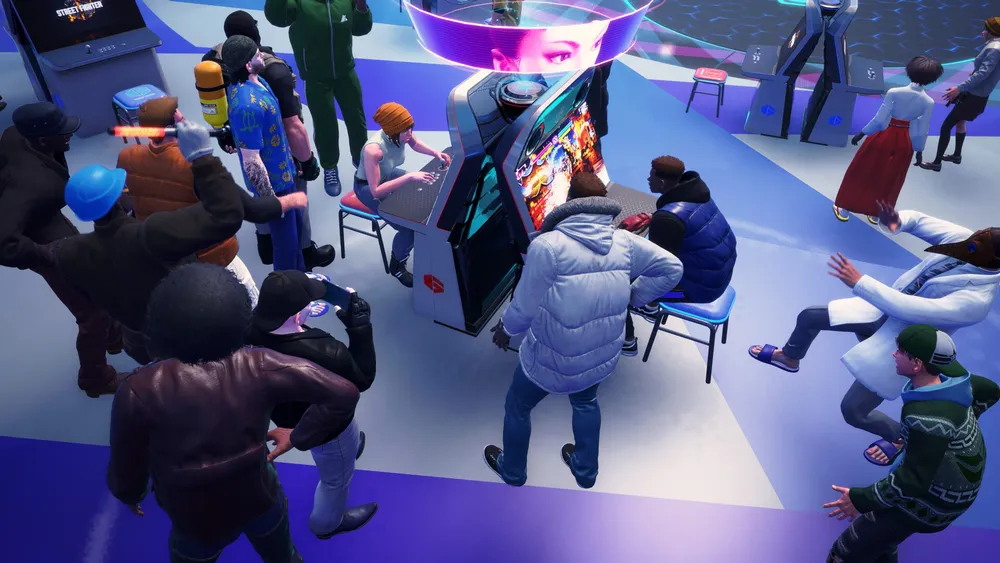
The best onboarding does not promise that fighting games will stop being demanding. It promises that demand will be understandable and shared. Street Fighter 6 treats the newcomer as someone who may become a serious opponent, not as a tourist who needs a separate toy version of the game. That is why its modern approach matters. It makes the first loss easier to learn from, then gives players a reason to queue again.

Related posts

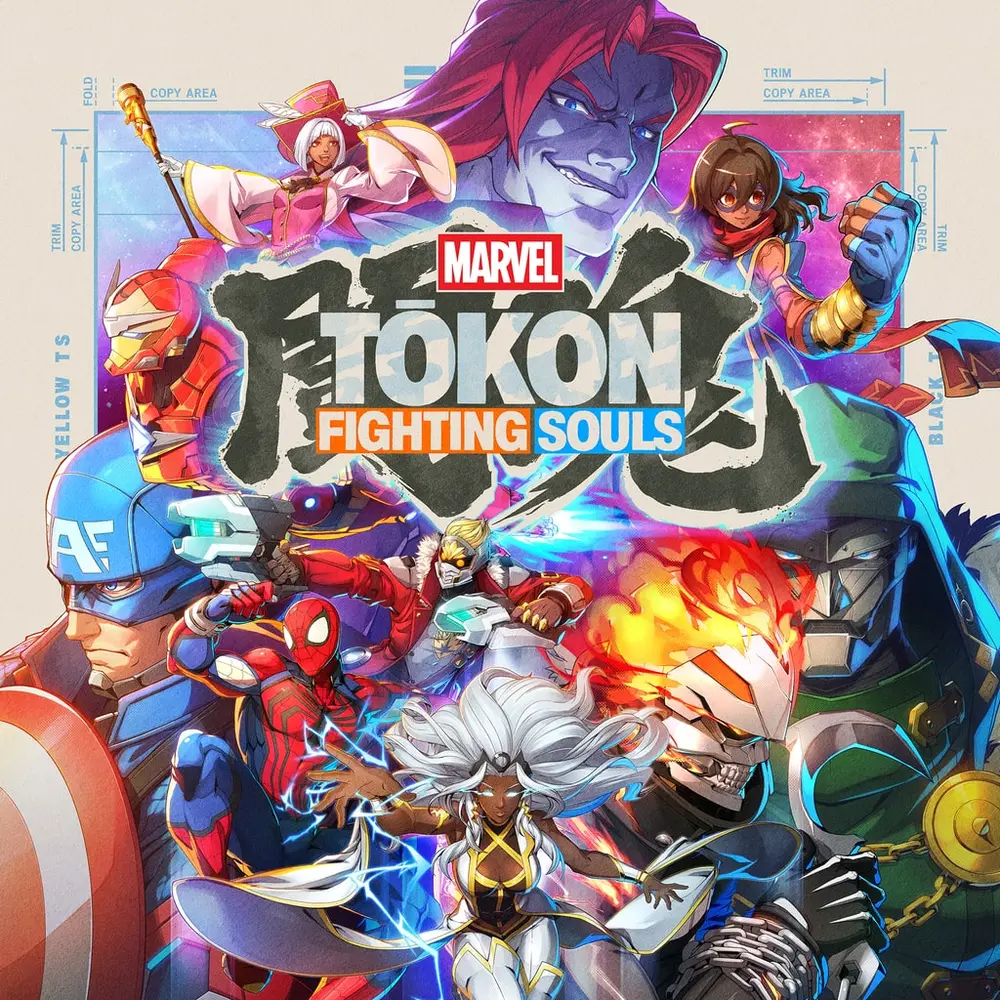
Marvel Tokon's 4v4 Chaos Could Make Fighting Games Less Intimidating
Marvel Tokon's large teams can turn character choice into a welcoming form of experimentation, provided its visual chaos still teaches new players why they won or lost.
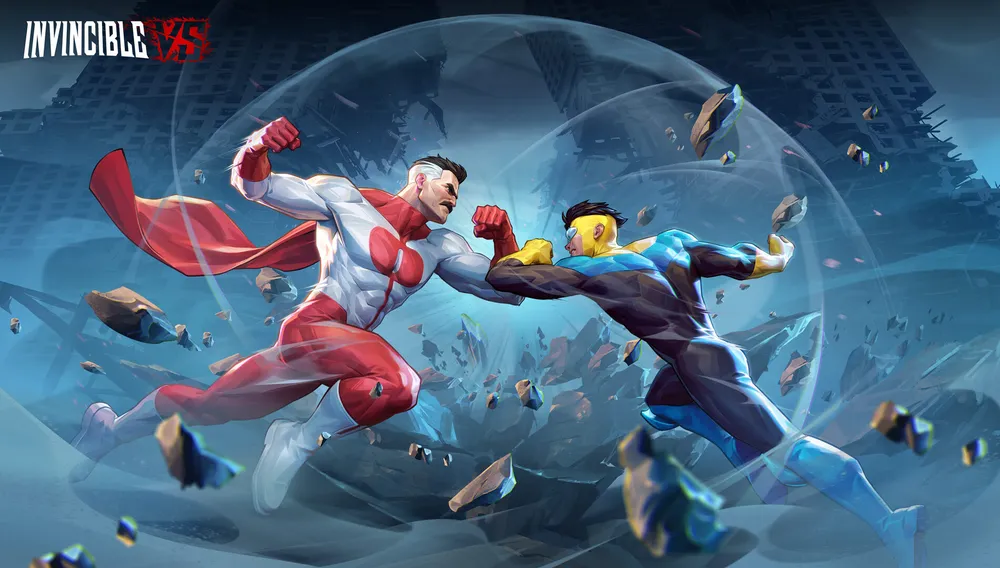
Invincible VS Proved Me Wrong: A Fighting Game With Real Identity
I expected a stripped-down Dragon Ball FighterZ clone riding on fan-service. Invincible VS turned out to be a low power versus fighter with its own identity, real depth, and a foundation worth arguing about.
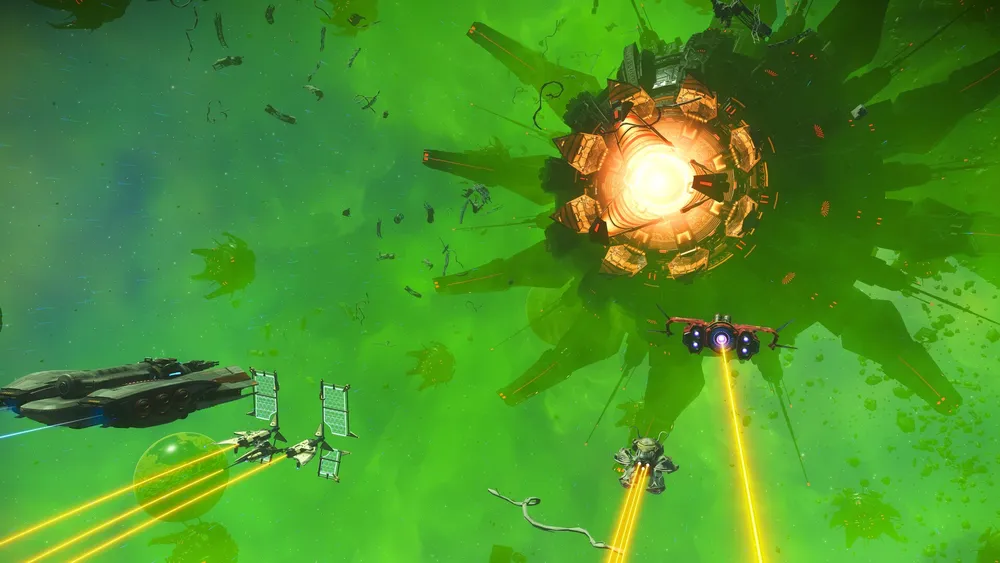
No Man's Sky Updates Work When They Change a Place
No Man's Sky is at its most persuasive when an update changes how a planet feels to cross and remember. Worlds Part II ties new systems to place, atmosphere, and discovery instead of a disconnected checklist.
Helldivers 2 Warbonds Should Add Roles, Not Homework
Helldivers 2 is strongest when a Warbond gives squads a different tactical language. New gear should create sidegrades and cooperation, not another permanent checklist or power ladder.