
Marvel Tokon's 4v4 Chaos Could Make Fighting Games Less Intimidating
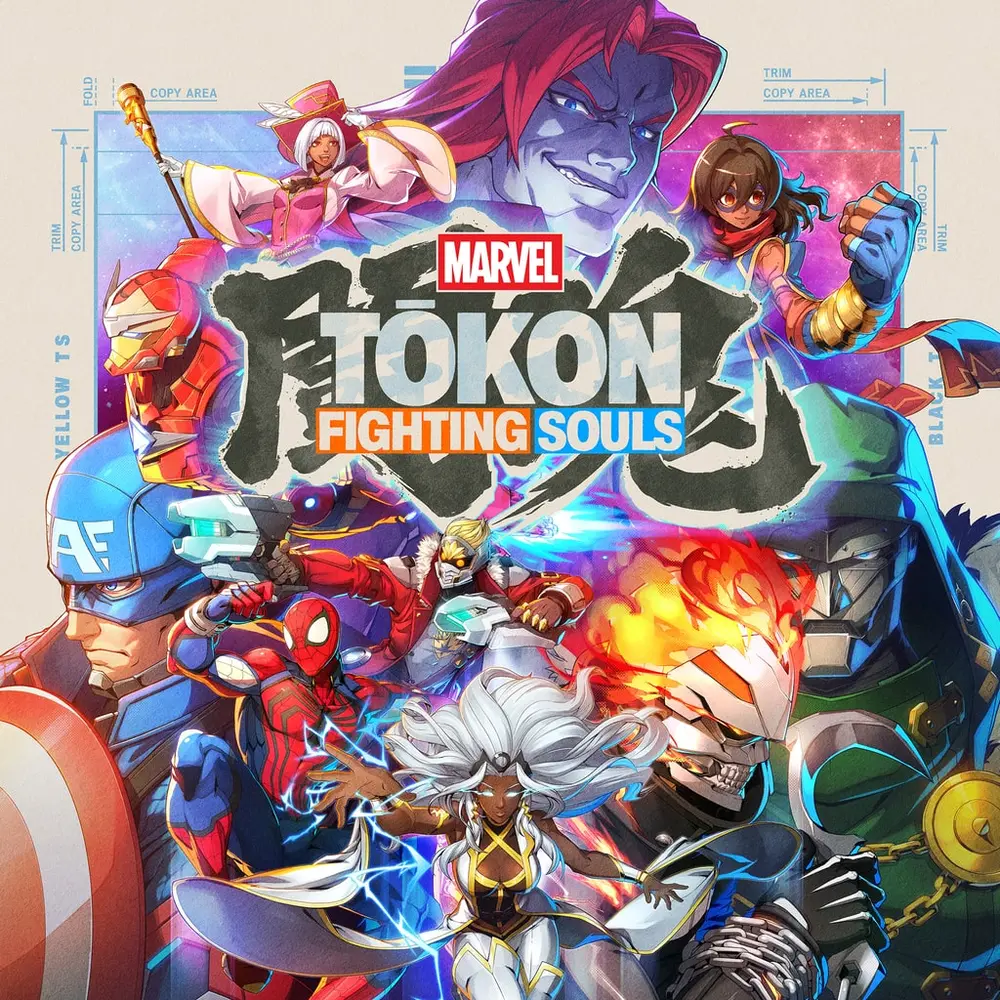
Fighting games can look simple from across the room. Two characters enter, one health bar empties, and the rules appear more direct than those of any sprawling RPG. The intimidation begins when a new player tries to understand why they lost. Movement, range, timing, defense, resources, matchups, and execution arrive at once, while every mistake is visible and belongs to one person. Marvel Tokon: Fighting Souls may have found a useful way to soften that exposure: give players a team large enough that choosing possibilities feels more important than committing to one perfect answer.
The official PlayStation page describes a four-versus-four tag fighting game from Arc System Works, the studio behind Guilty Gear and Dragon Ball FighterZ. Eight characters in a match can create frightening complexity, but they also offer four distinct chances to find something that feels natural. A newcomer does not have to declare a lifelong main before understanding the controls. They can build a small vocabulary from a group.
This player is hosted by YouTube. Loading it permits a connection to an external provider.
Marvel is especially suited to that invitation. Character fantasy explains strategy before terminology does. A player who recognizes a fast acrobat, armored powerhouse, ranged specialist, or magical controller already has an intuition about what each role might contribute. The license can turn team construction from homework into a familiar question: which four heroes would I want together?
A team makes experimentation safer
Traditional character selection can feel like a high-stakes decision because learning one fighter takes time. If the choice proves uncomfortable, starting again seems to discard that effort. A tag game makes partial knowledge useful. One character can provide reliable neutral control, another a simple assist, and a third the spectacular move that motivated the purchase. Competence can emerge from how those fragments support one another.
That structure also creates more frequent rewards for understanding. A new player may not execute an advanced combo, but they can call an assist at the right moment, tag to protect an injured fighter, or discover that two favorite abilities cover different parts of the screen. Each decision reveals a layer of strategy without demanding perfect inputs first. Team building becomes an extended tutorial disguised as self-expression.
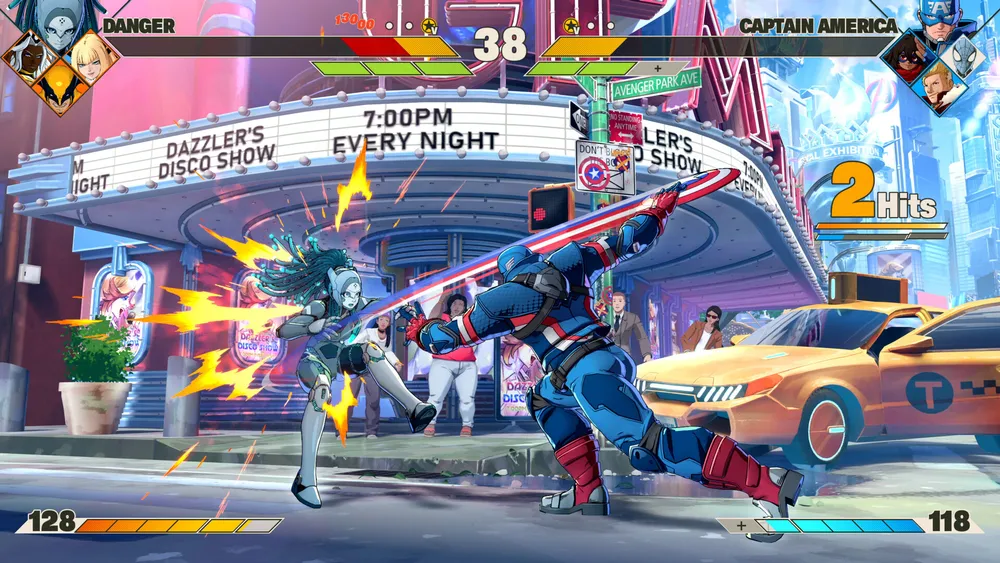
Arc System Works has already shown how animation and strong character identities can make complex systems appealing before they are understood. Marvel Tokon can go further by using consistent visual language across the roster: clear colors for assist states, recognizable cues for available tags, and attacks whose purpose remains legible inside a crowded sequence. Spectacle attracts a beginner. Readability gives them a reason to stay.
Four fighters can also quadruple the confusion
The counterargument is visible in the premise. More characters mean more matchups, assist combinations, screen effects, resources, and knowledge checks. A novice who struggles to read one opponent may learn very little from losing beneath overlapping attacks from several. Accessibility cannot mean a simplified control option placed on top of an unreadable game.
The game needs to explain cause and effect. Replays should identify where pressure stopped being safe, training tools should reproduce a troublesome sequence, and tutorials should teach universal concepts before cataloging character-specific techniques. Matchmaking must give beginners time against other beginners instead of using them as content for experienced players. A good control scheme lowers the entry step; good learning design builds the staircase after it.
- Replays that expose the first unsafe decision rather than only the final hit.
- Training tools that recreate a recorded sequence without manual setup.
- Tutorials organized around universal decisions before character-specific routes.
- Beginner matchmaking protected long enough for experimentation to become learning.
Large teams also risk creating mandatory combinations. If a few assists are so broadly useful that every competitive squad starts with the same characters, apparent freedom becomes an optimization trap. Balance does not require every possible group to be equal, but the roster should support several understandable team philosophies. Players need room to express preference without feeling that affection for the wrong hero is a permanent handicap.
Complexity should create stories, not barriers
For existing fighting-game players, the four-character format promises an enormous laboratory. Assist timing, order, recovery, and matchup coverage can support years of discovery. For newcomers, the same depth can be approached through character attachment and small successes. These audiences do not need separate games. They need systems that function at different levels without hiding information from either.
Marvel Tokon also has an opportunity beyond online competition. Local play, cooperative team modes, useful single-player teaching, and quick rematches can make the game a social object rather than a ranked ladder with licensed characters. Fighting games become less intimidating when losing is part of a shared evening instead of a private assessment of whether someone belongs.
The roster rollout will shape that welcome over time. Familiar heroes can attract different kinds of players, but selling essential team functions through later character packs would make learning more expensive and fragment the shared vocabulary. A generous base roster and training access to every matchup would let paid additions expand expression without turning knowledge into an ownership check.
A four-versus-four fighter will never be truly simple, and it should not pretend to be. Its welcome can come from making complexity playful: every character is another hypothesis, every assist another small discovery, and every loss a readable event. Marvel Tokon's chaos will become approachable if players can see enough structure inside it to say, after one more spectacular defeat, that they know what they want to try next.

Related posts


Street Fighter 6 Makes Learning a Fighting Game Less Lonely
Street Fighter 6 lowers the social cost of learning through clear control options and shared spaces. Its real achievement is treating newcomers as future rivals instead of a separate audience.
Invincible VS Proved Me Wrong: A Fighting Game With Real Identity
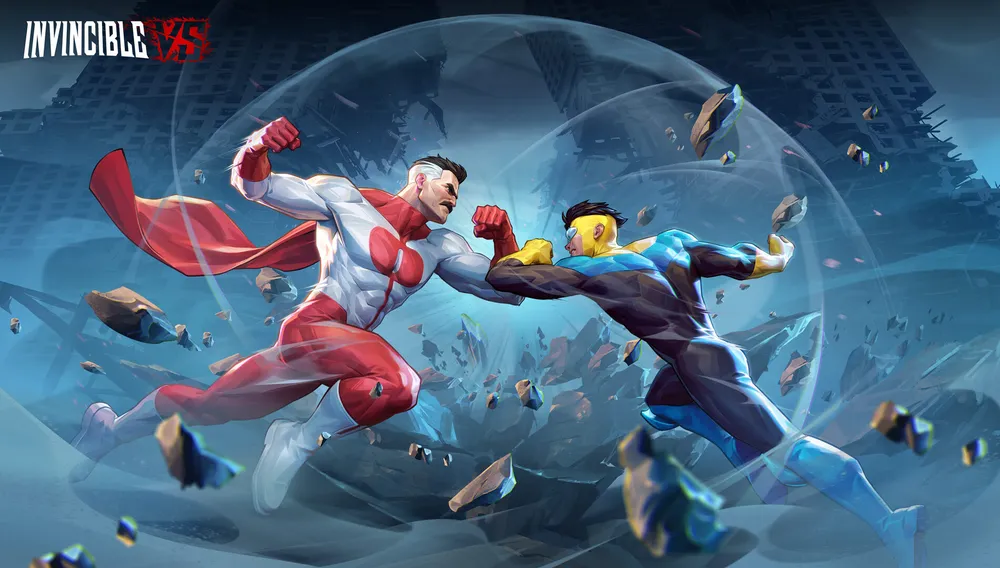
I expected a stripped-down Dragon Ball FighterZ clone riding on fan-service. Invincible VS turned out to be a low power versus fighter with its own identity, real depth, and a foundation worth arguing about.

Blue Prince Makes a House Feel Like a Question
Blue Prince turns a changing floor plan into a puzzle about memory, evidence, and deliberate uncertainty. Its rooms matter because discovery is legible without being handed over.

Like a Dragon: Infinite Wealth Makes Side Stories Matter
Like a Dragon: Infinite Wealth understands that optional stories are not spare content. They give an RPG a second language for character, comedy, and place that the main plot cannot always use.