
The Relic: First Guardian Makes Every Boss a Biography
Editor's note, July 29, 2026: an earlier version presented details from Justin Koreis's IGN preview as the Nerdrassil author's own hands-on experience. That was wrong. This article has been completely rewritten as an attributed analysis of the game's official material and Koreis's reporting. Nerdrassil did not play the preview build.
The easiest way to describe The Relic: First Guardian is as another dark action RPG with deliberate combat, ruined kingdoms, and more bosses than a reasonable person should challenge before breakfast. That description is accurate and almost useless. Project Cloud Games has a more interesting idea underneath the familiar shell: every major enemy is a collapsed life story, and beating one turns memory into the material from which the player builds a character.
The official Steam page says Arsilutus was destroyed when its Great Relic shattered. The fragments left behind contain promises, fear, love, and other traces of the people who lived there. Rather than gaining conventional character levels, the Guardian equips these memories as Relics. More than 70 passive effects can change skill behavior, combat tempo, and weapon styles. Progression and storytelling are therefore meant to use the same object instead of occupying separate menus.
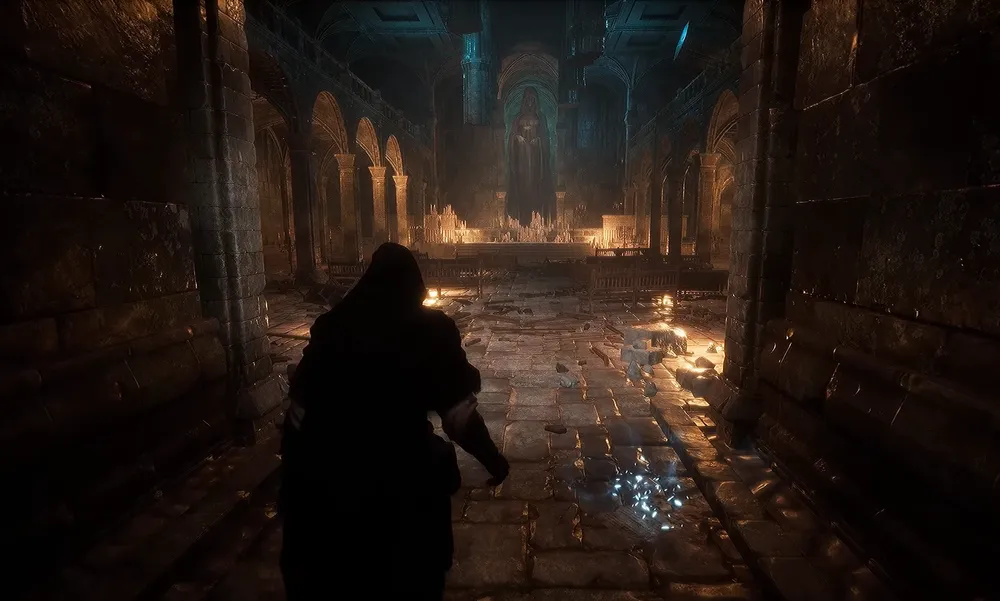
Bosses are the archive
Project Cloud Games promises more than 70 bosses, each carrying a tragedy drawn from Korean and wider Asian folklore. The developer's PlayStation Blog overview describes a starving father who became a monster, a rage born from a broken promise, and souls consumed so completely that they forgot their own names. Those are not merely biographies pasted into a codex. Defeating the creature is supposed to complete its tale and place a piece of that history in the player's hands.
Justin Koreis's attributed preview for IGN, available through Yahoo, gives that promise useful specificity. He describes bosses including Branko, the Bloodstained Shield, Entom the Starved, and the knight Mog. Their combat demands differ, but their identities are also built through relics and environmental fragments found on the route toward them. Branko tests parry timing behind an enormous shield. Entom attacks through charges and leaps after a cure twisted him into a cannibalistic creature. Mog's encounter is framed by the remains of pride, flight, and remorse.
That structure can solve a problem many boss-heavy games create for themselves. A large roster often becomes a checklist of health bars, with visual invention doing more work than narrative consequence. If every route tells a compact story and every victory changes the available build, First Guardian can make quantity feel cumulative. The player does not only remember which attack finally opened a punish window. They remember why the enemy occupied that chapel or ruin in the first place.
PlayStation's Story and Exploration showcase is useful evidence because it shows the proposed rhythm in motion: travel through devastated spaces, short pieces of human history, then violent confrontations that dominate the frame.
This player is hosted by YouTube. Loading it permits a connection to an external provider.
The trailer cannot prove that dozens of these stories remain distinct across a full game, but it establishes the intended relationship between place, voice, and combat. That is more valuable than a montage of finishing moves. The difficult production question is whether 70 or more bosses can each receive enough staging to feel authored rather than assembled from a pool of tragic nouns.
Combat has a clear theory
The official description makes several unusual mechanical commitments. Attacking does not consume stamina, which reserves that resource for defense and dodging. Skills use cooldowns instead of a mana pool. Five weapon types connect to 12 skill trees, while weapons and armor are unique objects rather than endlessly repeated loot with slightly better numbers. Together, those rules push aggression into the foreground without removing the need to preserve defensive options.
Koreis reports that the result can feel slower and slightly clunky because attacks, blocks, and dodges commit the player to readable timing. That observation needs to remain his, based on his preview access. It also identifies the game's central risk. Deliberate animation can make a decision feel weighty, or it can make the controls feel late. The difference depends on consistent enemy telegraphs, camera behavior, input response, and whether recovery windows remain learnable across a roster this large.
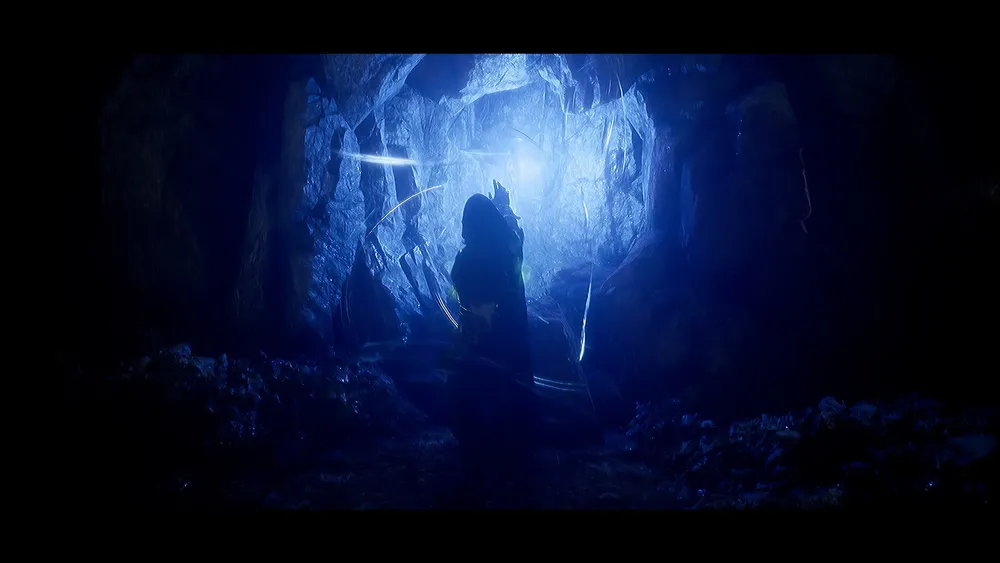
What remains unproven
First Guardian's best ideas are still promises. Unique equipment can make every discovery memorable, but it can also make an unsuitable weapon feel like a dead reward. Relics can join narrative and progression, but only if their passive effects encourage meaningful changes rather than small percentage improvements. A semi-open world without constant guidance can reward curiosity, provided its routes remain readable and its stories do not disappear into repeated ruins.
The boss count deserves the most skepticism. More than 70 is a marketing number until the encounters demonstrate different decisions, not only different silhouettes. A smaller group of memorable fights would serve the premise better than a catalog padded with variants. Project Cloud Games has made the right promise by tying each boss to a life, an environment, and a Relic. It now has to prove that production scale did not reduce those lives to collectible flavor text.
The Relic: First Guardian is scheduled for July 31, 2026 on PC and PlayStation 5. Its identity should not be measured by how closely it resembles Dark Souls. The more useful test is whether a defeated enemy leaves behind an understandable person, a changed build, and a place that feels different after the fight. If those three pieces hold together across the full roster, the game's many bosses will read as an archive rather than a number on the store page.

Related posts

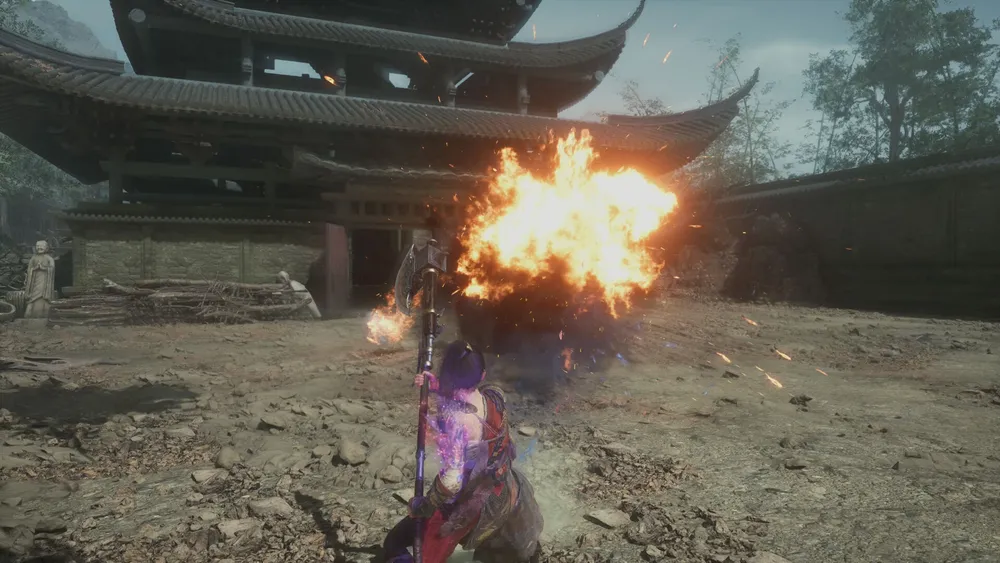
Wuchang's Sequel Asks Who Really Owns a Game's Identity
The Wuchang IP has changed hands while its original director starts again elsewhere. The sequel will test whether a game's identity belongs to a trademark, a studio, or the people who made its defining choices.
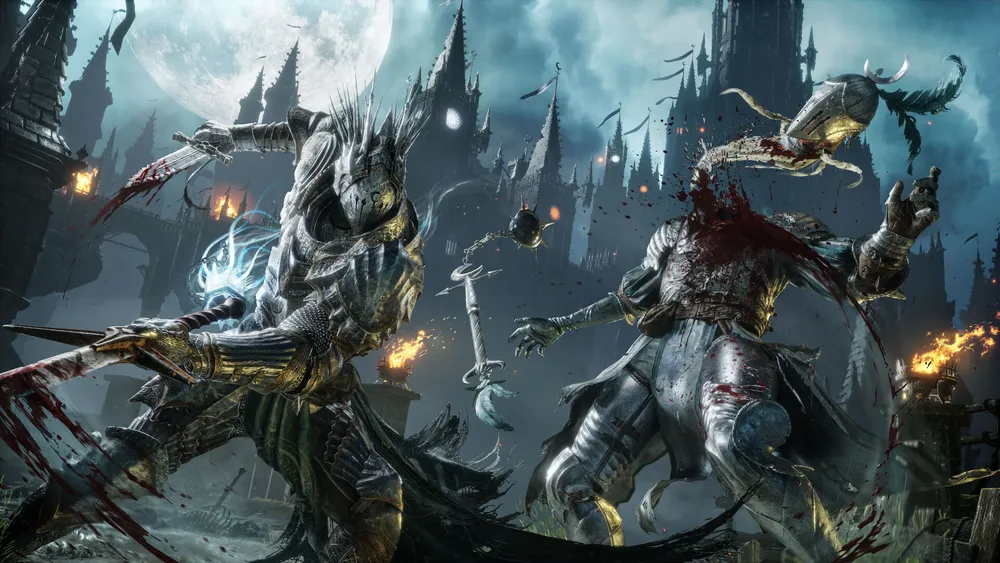
Lords of the Fallen 2 Slips to 2027 to Dodge GTA 6
CI Games has officially delayed Lords of the Fallen 2 to Q1 2027, buying time to polish the action-RPG and steer clear of a holiday window dominated by Grand Theft Auto 6.

Indiana Jones and the Great Circle Understands Adventure Needs Quiet Spaces
An analytical look at how first-person exploration, puzzles, and improvised tools can turn familiar mechanics into choices players can understand and remember.
Split Fiction Shows Co-Op Works When Players Need Different Things
An analytical look at how two writers, split abilities, and asymmetric co-op can turn familiar mechanics into choices players can understand and remember.