
Wuchang's Sequel Asks Who Really Owns a Game's Identity
A sequel is usually sold as continuity. The same name returns, familiar iconography reappears, and a publisher promises another trip into a world the audience already recognizes. Wuchang: Fallen Feathers now presents a harder version of that promise. The intellectual property has moved to a new owner, while the director associated with the original game is building a new studio to make the follow-up. The title may be continuous even though the company around it is not.
As VGC reported, Digital Bros acquired the Wuchang IP from Leenzee and plans to publish a sequel through 505 Games. Development is being led by Indolphinity, the new studio founded by original director Xia Siyuan. The announcement says the team intends to preserve the series' authenticity and cultural identity. That is encouraging language, but it also exposes an old industry question: what exactly is being preserved, and who has the ability to preserve it?
Legally, the answer can be straightforward. A company owns the name, contracts, characters, and commercial rights. Creatively, ownership is dispersed across hundreds of decisions that rarely fit into an asset folder. It lives in what a combat director considers fair, how an environment artist translates a historical reference, which myth is treated with reverence, and which inconvenience a producer refuses to remove. Source files can reproduce a costume. They cannot explain why that costume belonged in a particular scene.
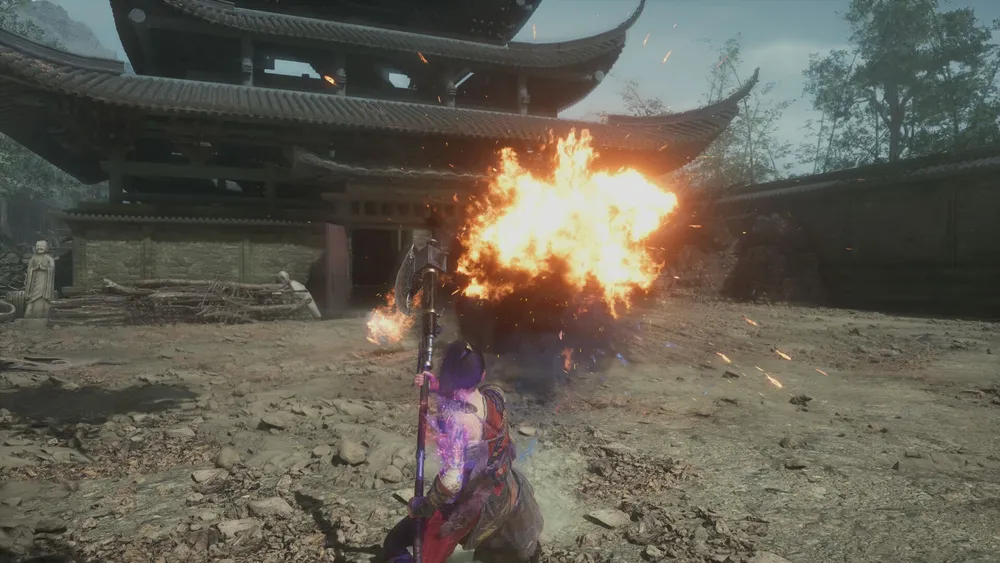
A studio name is not a creative memory
Games repeatedly demonstrate how little a corporate label guarantees. A sequel can be made inside the same building and still feel estranged after senior designers, writers, or animators leave. Another can move between companies yet retain a recognizable voice because the crucial creative group travels with it. Players often describe these changes vaguely as a loss of soul, but the practical cause is institutional memory: the people who remember which experiments failed, which compromises were deliberate, and which rough edges are load-bearing.
That memory matters even more for a game rooted in a specific culture. Wuchang draws from late Ming history, regional landscapes, and Chinese folklore rather than using them as interchangeable fantasy decoration. Accuracy is only one part of that work. Selection, emphasis, pronunciation, architecture, and the relationship between mythology and history all reveal a point of view. A sequel can contain more reference material and still feel less authentic if the people arranging those references no longer understand the first game's priorities.
Indolphinity's involvement therefore gives the project a stronger claim to continuity than an IP purchase alone would provide. The director can carry intent into a new production and can recruit collaborators who share it. More importantly, a new studio may create room to reconsider the original game's limitations without having to imitate every solution. Continuity should not mean freezing Wuchang at the point where it first became commercially valuable.
Authorship is also collective
There is a tempting romantic version of this story in which one auteur carries the true Wuchang away from a faceless corporation. That would be too simple. Large games are collective work. Combat encounters, performance capture, enemy behavior, localization, sound, interface, and technical art are shaped by specialists whose names rarely lead an acquisition announcement. An original director offers continuity, not a certificate that every essential contributor or production habit has survived.
A sequel made by a new team will also depend on the new owner's material choices. Enough time, realistic scope, stable staffing, and support for localization will shape cultural authenticity as much as a mission statement does. 505 Games can protect the identity it acquired by refusing to turn the sequel into a faster imitation of whichever action RPG currently dominates sales charts. Corporate stewardship is most useful when it gives creators room to make specific decisions instead of converting a specific game into a generic portfolio slot.
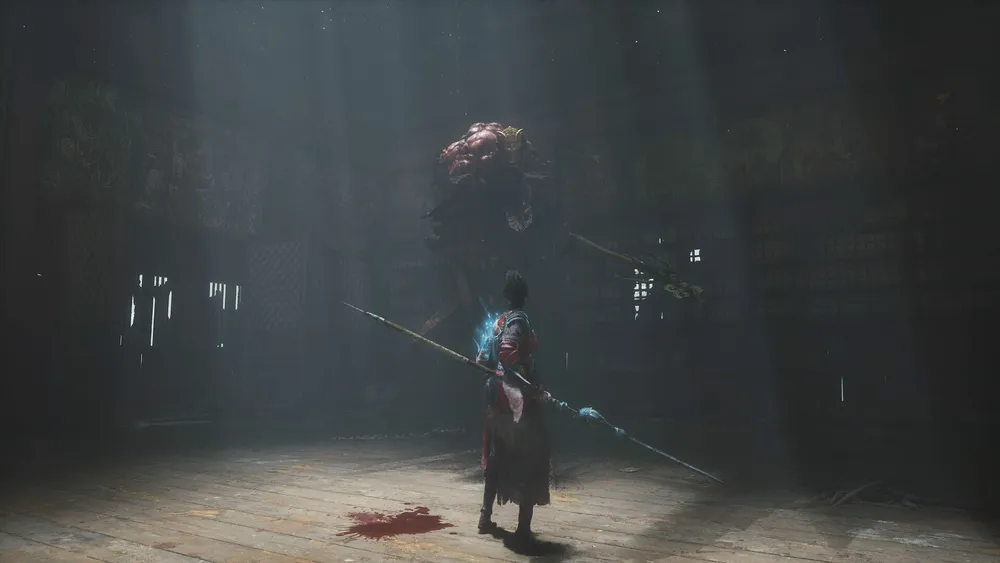
Players have a stake in this distinction because branding often asks them to buy trust twice. The sequel uses a familiar name to inherit affection, then treats any concern about changed creators as resistance to change. The responsible response is neither automatic loyalty nor automatic suspicion. It is to look for evidence: returning creative leadership, a clear artistic premise, combat that develops rather than copies, and public credit for the wider team that actually carries the work.
- Returning leadership that can describe what should change as clearly as what should remain.
- Public credit for the specialists carrying cultural, combat, and technical continuity.
- A production scope that gives those people time to make specific choices.
- Systems that develop the first game's identity instead of merely restaging its imagery.
The sequel can redefine continuity
Wuchang's unusual arrangement may ultimately be healthier than pretending nothing changed. The IP owner, publisher, new studio, and returning director are visible as separate parts of the project. That makes the bargain easier to judge. Digital Bros supplies ownership and investment. 505 provides publishing infrastructure. Indolphinity must turn those resources into a game with a point of view. None can claim the entire identity on its own.
The best outcome would not prove that trademarks are meaningless or that one creator is irreplaceable. It would demonstrate that corporate ownership and creative authorship are different responsibilities. A company can keep a name available, but people keep its meaning alive. Wuchang's sequel will deserve its title if it recognizes that identity is not an asset to be transferred once. It is an argument the new team must make again in every system, image, and choice.

Related posts

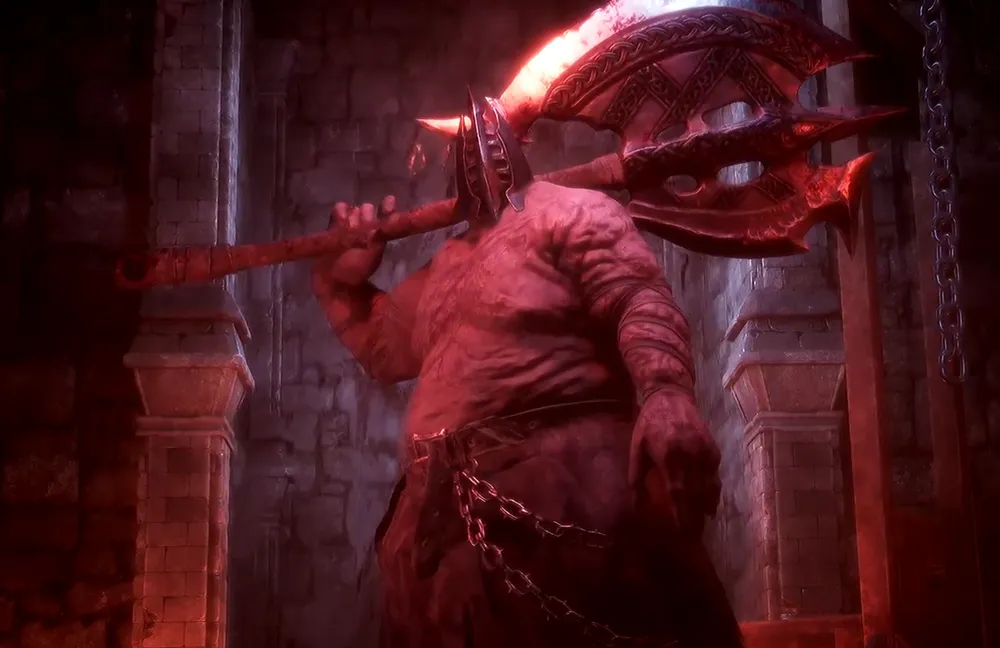
The Relic: First Guardian Makes Every Boss a Biography
The Relic: First Guardian is built around more than 70 bosses whose histories become equipment and progression. That is a stronger identity than simply calling it another Soulslike.
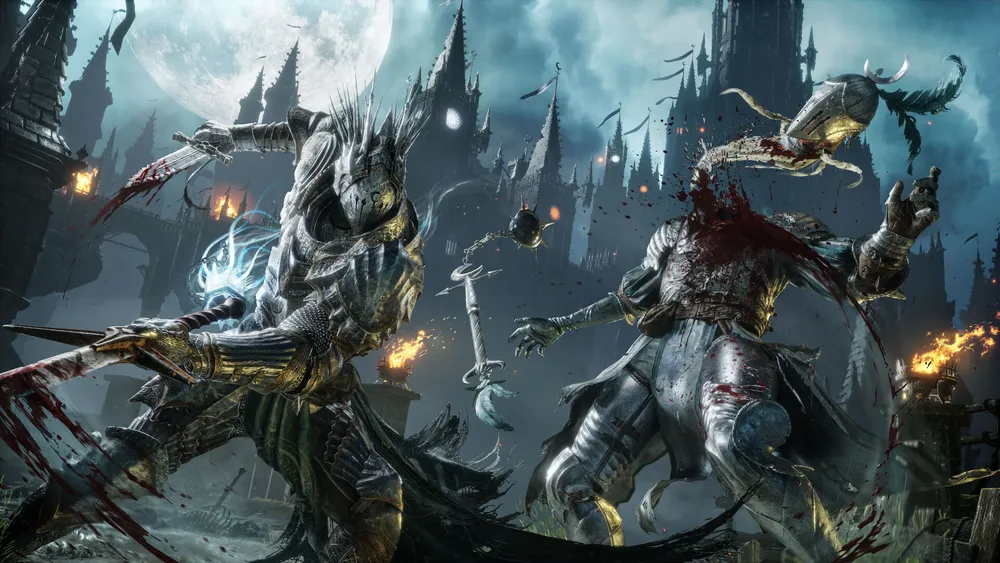
Lords of the Fallen 2 Slips to 2027 to Dodge GTA 6
CI Games has officially delayed Lords of the Fallen 2 to Q1 2027, buying time to polish the action-RPG and steer clear of a holiday window dominated by Grand Theft Auto 6.
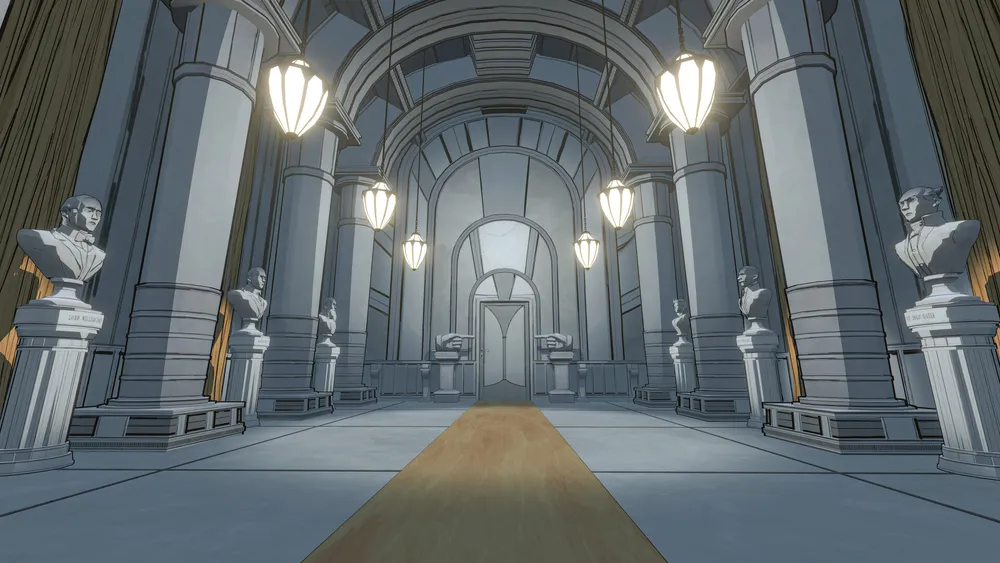
Blue Prince Makes a House Feel Like a Question
Blue Prince turns a changing floor plan into a puzzle about memory, evidence, and deliberate uncertainty. Its rooms matter because discovery is legible without being handed over.

Like a Dragon: Infinite Wealth Makes Side Stories Matter
Like a Dragon: Infinite Wealth understands that optional stories are not spare content. They give an RPG a second language for character, comedy, and place that the main plot cannot always use.