
UK Goes "Further Than Any Country" With Under-16 Social Media Ban
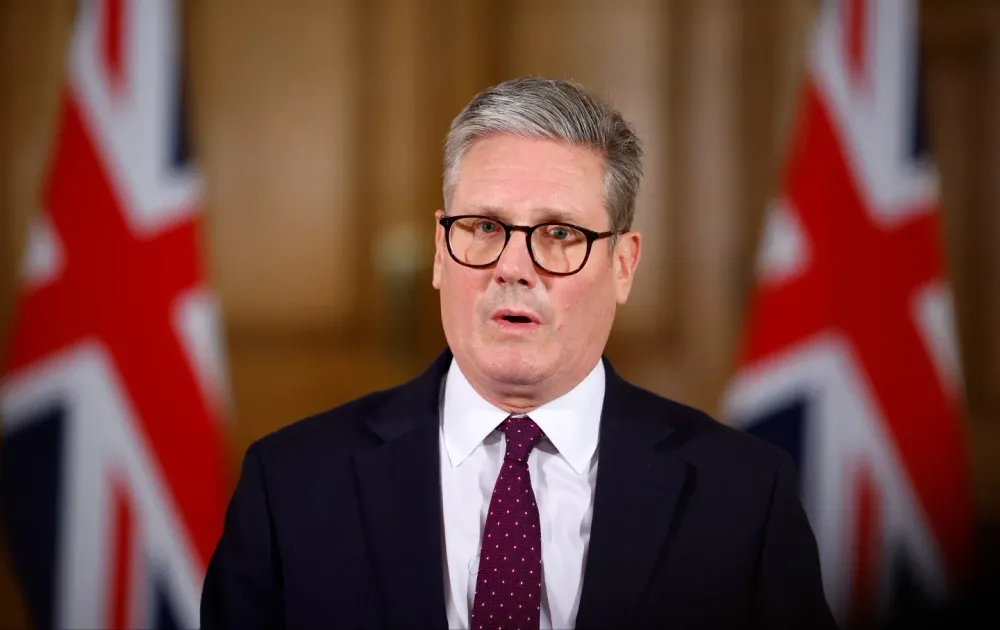
The UK government has announced a sweeping ban on social media for children under 16, and unlike most online-safety headlines, this one has direct consequences for gaming. Prime Minister Keir Starmer framed the move in stark terms, declaring that the country is "going further than any country in the world." The legislation is being rushed toward a vote, and while the platforms most people picture (X, Snapchat, TikTok, Instagram, Facebook) are squarely in scope, so is YouTube. More notably for anyone who follows games, the government's language points a finger at livestreaming and "gaming sites" too, which puts a service like Twitch firmly in the conversation.
According to the government, it will try to pass the regulation "before Christmas," with the ban set to come into force by Spring 2027. The exact list of banned platforms will be finalized by ministers at a later date, as reported by The Guardian, but the broad strokes are already clear, and deliberately expansive.
The plan also goes well beyond locking under-16s out of feeds. The government says it will block "harmful functions such as livestreaming and stranger communication with children," and that these restrictions "will apply to a wider range of online services, including on gaming sites." That last phrase is what should make the gaming world pay attention. Livestreaming is the entire premise of Twitch, and stranger communication describes a huge slice of how online multiplayer actually works.
Why this matters for gaming
Even before this announcement, the industry had been adjusting to the UK's Online Safety Act, which took effect in July 2025 and requires users to verify their age before viewing potentially sensitive content. Some platforms got ahead of it. On Xbox, players now have to verify their age to use voice or text chat with anyone outside their friends list. Discord has been rolling out its own age-verification system to gate sensitive material, and if the new ban ends up covering Discord, that same check could become a requirement just to use the service at all.
Part of a global wave
The UK isn't acting in a vacuum. Australia banned social media for under-16s first, with its version live since last year, and similar laws are moving through Spain, Portugal, France, Canada, and a handful of others. What sets the UK's version apart is its reach: by pulling livestreaming and gaming services into scope, it goes further than any of them.
Support, and the pushback
The support is real. The government points to a consultation where nine in ten parents backed decisive action, and Esther Ghey, whose daughter Brianna was murdered in 2023, welcomed the ban while warning that cutting kids off without offering support could backfire. The pushback is just as loud, and not only from tech lobbyists. The Molly Rose Foundation argues the policy "leaves parents with a false sense of safety" by letting platforms off the hook for the algorithms that surface harmful content in the first place. Labour MP Feryal Clark warns that lumping educational, creator-led YouTube in with social media risks cutting teenagers off from a real public resource they use to revise for GCSEs or pick up an instrument.
Protecting kids online is a goal worth having, and the impulse behind this is easy to defend. The method is the problem. A law written broadly enough to treat a Discord server, a Twitch stream, and an educational YouTube channel as the same hazard isn't precision, it's a dragnet. If the final text can separate harmful design from the harmless ways young players actually hang out and learn, it might do some real good. If it can't, it will wall off large parts of gaming by 2027 in the name of safety, without making anyone measurably safer. For now, the only certainty is that the rules are coming. Sources: the UK government's announcement, Ofcom's statement, and The Guardian's report.

Related posts

ESA Calls Community Game Servers 'Illegal' in Senate Hearing
At a California Senate hearing, the ESA interrupted a lawmaker to call community game servers for Minecraft and Call of Duty 'illegal,' helping stall the Protect Our Games Act. The claim, the failed vote, and why it would criminalize fan work like Seamless Co-op.
Indiana Jones and the Great Circle Understands Adventure Needs Quiet Spaces
An analytical look at how first-person exploration, puzzles, and improvised tools can turn familiar mechanics into choices players can understand and remember.
Split Fiction Shows Co-Op Works When Players Need Different Things
An analytical look at how two writers, split abilities, and asymmetric co-op can turn familiar mechanics into choices players can understand and remember.
DOOM: The Dark Ages Makes a Power Fantasy Stronger With Limits
An analytical look at how the Slayer Shield, parries, and deliberate aggression can turn familiar mechanics into choices players can understand and remember.