
ESA Calls Community Game Servers 'Illegal' in Senate Hearing
There is a special kind of nerve required to interrupt a state lawmaker mid-sentence and inform the room that a thing millions of people do every day is, actually, a crime. That is roughly what happened at a California Senate hearing, when the Entertainment Software Association leaned in and branded community game servers for Minecraft and Call of Duty as flat-out 'illegal.' The bill on the table was meant to protect the games you already paid for. The industry's biggest lobby showed up to make sure it died.
The Protect Our Games Act, filed as AB 1921, is the work of California State Assemblymember Chris Ward. The idea is not radical. When a publisher walks away from a game, the bill wants players to keep a way in, whether that means an offline mode or a community-run server that keeps the lights on after the official ones go dark. Ward was making that exact point on the floor, holding up Minecraft and Call of Duty as games that already thrive on player-run servers, when ESA Vice President for State Government Affairs Jennifer Gibbons cut in to call those servers illegal.
Her reasoning, if you want to call it that, came in a bundle. The servers aren't affiliated with Microsoft. They don't meet the same safety standards. The ESA considers them piracy, full stop. She pointed to two pending lawsuits against private servers and noted that the United States Trade Representative had tagged 'some of these big private servers' as a notorious market. It was a lot of official-sounding weight to drop on a legislator's desk in the span of a few seconds, and that timing was not an accident.
One dead game, a million signatures
To understand why any of this reached a Senate floor, rewind to The Crew. Ubisoft pulled the racing game offline and, with no offline mode to fall back on, turned every purchased copy into a dead file. Not degraded. Not limited. Unplayable. That single act did more for the preservation cause than a decade of forum arguing, and it helped shove the Stop Killing Games movement from a niche gripe into something with real teeth, including a European petition that cleared a million signatures and landed the issue in front of EU lawmakers.
The California version did not fare as well. AB 1921 stalled out with four yes votes, three nos, and four legislators who simply declined to vote at all. It has been granted a reconsideration, so it is not buried yet, but a bill about keeping games alive nearly flatlined on its first outing. A representative for Stop Killing Games was blunt about why. The ESA, they said, 'did not fight this with facts.' It 'fought it with fear,' leaning on claims built to spook 'busy legislators' who don't have time to fact-check every line thrown at them. By their read, it 'worked just well enough.'
The Minecraft problem
The 'illegal' label falls apart the second you poke it. Minecraft ships players the tools to run their own servers. Mojang builds the server software and hands it out directly, and has done so for well over a decade. Calling those servers piracy is not a bold legal stance, it's an accusation aimed at a feature the publisher itself put in the box. Call of Duty is a looser case, sure, but the broader point holds. Custom servers have been tolerated, and often actively encouraged, across huge swaths of the industry. Plenty of Valve's catalog leans on them, where community-run servers cook up modes and experiences the official ones never bother to touch.
Community servers usually only draw fire in two situations. One is when a company's actual intellectual property gets lifted and resold. The other, far more common, is when a server lets people skip a recurring fee the publisher would rather keep collecting, which is the whole sore spot with subscription MMOs. Sweeping legal action against community servers as a category has never really materialized, because most of the industry quietly grasps that these servers keep games breathing rather than bleed them dry. The ESA's blanket 'illegal' is a rhetorical grenade, not a description of how courts have actually treated these projects.
What this would actually kill
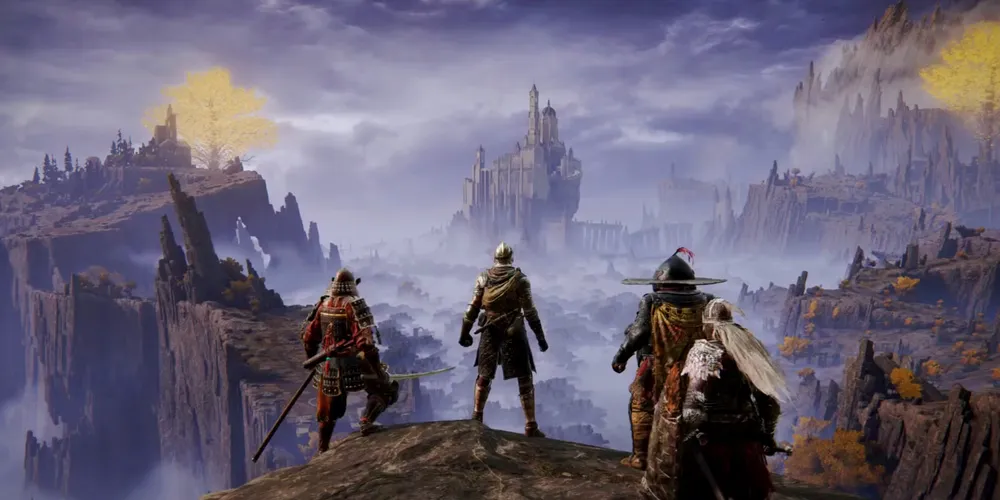
Step away from Minecraft and the collateral damage gets personal fast. Take Seamless Co-op, the mod the FromSoftware community has hand-built for years to string proper drop-in multiplayer across games that shipped with famously fiddly online systems. It is how a huge chunk of us actually played Elden Ring and its siblings alongside friends, without the invisible walls and constant disconnects the vanilla netcode loved to throw up. Under the logic the ESA hauled into that hearing, a mod like that, unaffiliated and running its own connections, is exactly the sort of thing that gets branded a crime. Killing it wouldn't clean up piracy. It would gut years of how a devoted community chose to enjoy these games together.
What makes the ESA's posture look even shabbier is the contrast. FromSoftware, the studio that actually owns the rights, did the opposite of panic. Once Seamless Co-op took off and it became obvious what kind of multiplayer players were hungry for, the developer didn't send lawyers. It read the room and built Nightreign, a co-op-focused spin on its formula that answered the demand instead of suing it. No cease-and-desists. No campaign to scare its own fans off their fun. That is what a company that respects its players looks like, and it makes a trade group treating those same players like suspects look small by comparison.
A mod kept these games alive the way players wanted. The studio's answer was to build them a new one. The lobby's answer is to call it piracy.
— Nerdrassil
If this song sounds familiar, it should. It is the same fight raging on the MMO side, where Blizzard is dragging World of Warcraft private servers into court even though those servers do nothing more sinister than keep a beloved game reachable. The pattern repeats no matter the genre. A community steps in to preserve something a corporation has priced out, walled off, or abandoned, and the corporation's reflex is to reach for the word 'illegal' rather than ask why the demand exists in the first place.
The Stop Killing Games camp isn't folding. The same representative confirmed the movement will keep pushing legislation in other states, treating California as a setback rather than a verdict. That is the right call. The uncomfortable truth the ESA talked over in that hearing is that gamers are not asking for a handout. They want to keep playing the things they already bought, on their own terms, after the official servers go quiet. Dressing that up as theft might rattle a few tired legislators for an afternoon. It won't survive the moment anyone bothers to read the fine print. Sources: the official California AB 1921 committee analysis and PC Gamer's report on the hearing.

Related posts

UK Goes "Further Than Any Country" With Under-16 Social Media Ban
The UK plans to ban social media for under-16s by Spring 2027, and with livestreaming and "gaming sites" explicitly named, Twitch and YouTube could be caught in the net.

Indiana Jones and the Great Circle Understands Adventure Needs Quiet Spaces
An analytical look at how first-person exploration, puzzles, and improvised tools can turn familiar mechanics into choices players can understand and remember.
Split Fiction Shows Co-Op Works When Players Need Different Things
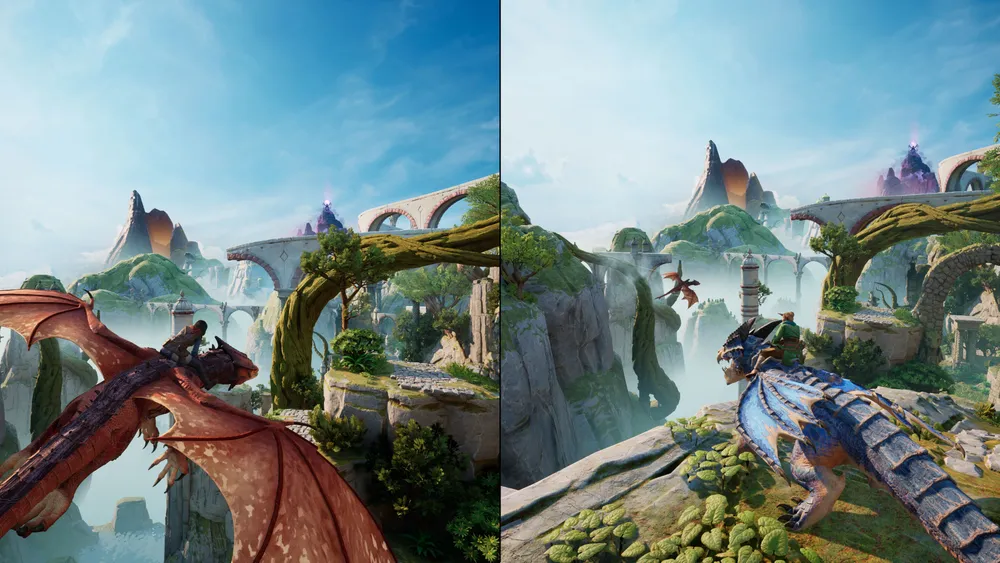
An analytical look at how two writers, split abilities, and asymmetric co-op can turn familiar mechanics into choices players can understand and remember.
DOOM: The Dark Ages Makes a Power Fantasy Stronger With Limits
An analytical look at how the Slayer Shield, parries, and deliberate aggression can turn familiar mechanics into choices players can understand and remember.