
Aliens Fireteam Elite 2 Should Improve the Squad Before Expanding the Store
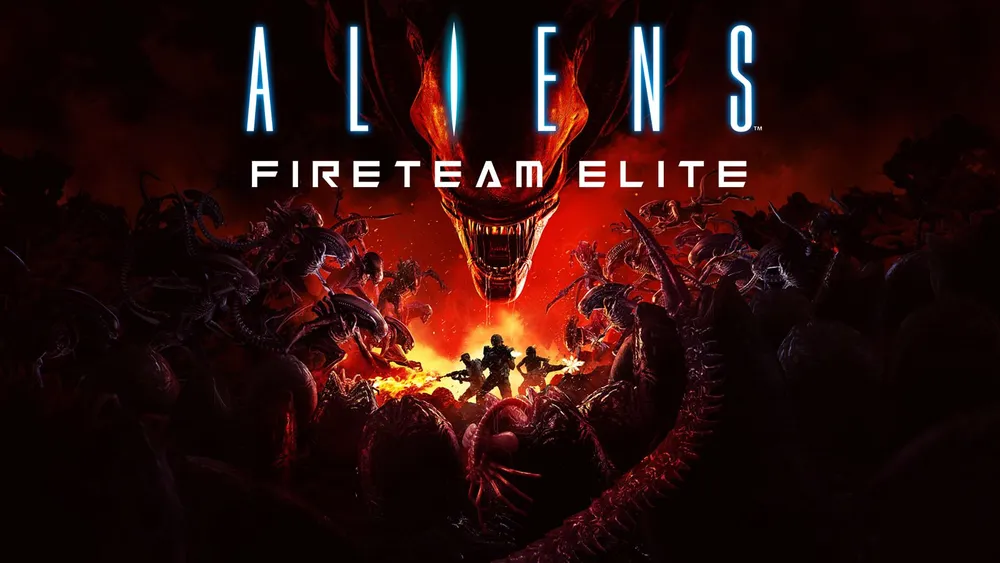
Co-op shooters are easy to sell with quantity. More enemies, more weapons, more classes, more missions, and more downloadable packs create a list that makes a sequel look larger before anyone knows whether playing as a squad feels better. Aliens: Fireteam Elite 2 is already arriving with standard and premium editions and a plan for franchise-themed content. The more important expansion should happen inside the fireteam itself.
Release and edition details reported by MP1st show the sequel positioned as a longer-term product, with a $49.99 standard edition and a $69.99 premium edition that includes additional packs. There is nothing inherently wrong with selling cosmetic or thematic extensions. The concern is order. A co-op game earns a durable audience through reliable social systems and encounters that make teammates necessary. A content roadmap can only serve the community that foundation creates.
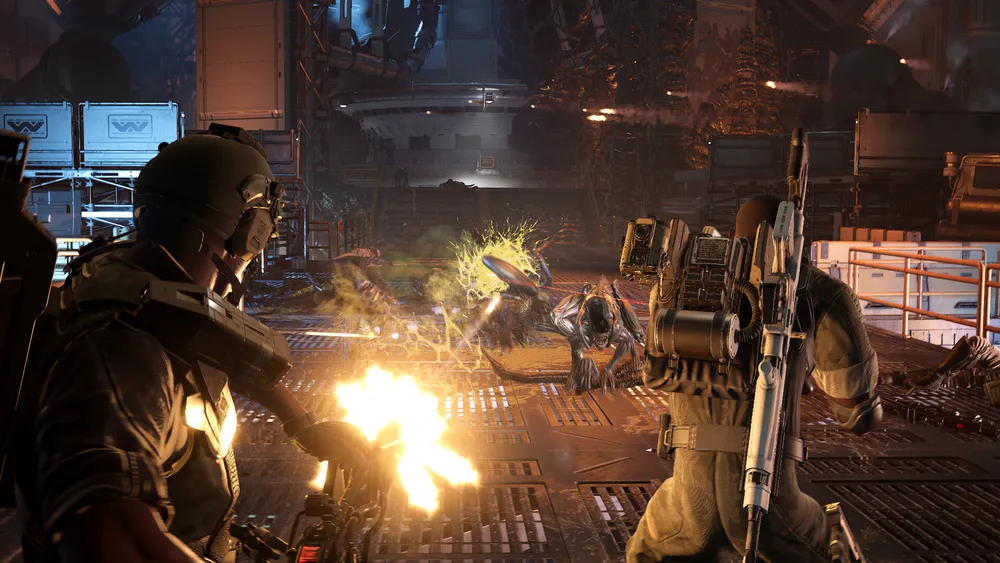
The Aliens license gives the sequel a strong source of tension. Xenomorphs are frightening not merely because they are numerous but because they make architecture unsafe. Ceilings, vents, darkness, and blind corners force people to cover angles for one another. A fireteam should feel like three vulnerable specialists creating temporary control in a space designed to take it away.
Teamwork needs more than simultaneous damage
Class abilities can create cooperation on paper while leaving players functionally independent. If every role mostly increases damage on cooldown, the optimal tactic is still three people shooting in parallel. Stronger squad design gives each marine information or control the others genuinely value: a scan that changes target priority, a defensive tool that creates a temporary safe route, crowd control that protects a reload, or support that requires attention to positioning.
Encounters must test those relationships without prescribing one composition. A narrow holdout can reward area denial, a moving objective can favor mobility, and an elite threat can force someone to interrupt while others manage the swarm. Difficulty should come from adapting together rather than multiplying enemy health until optimized damage becomes the only meaningful build.
Artificial-intelligence teammates are part of that foundation. Co-op games are often played outside the ideal three-friend schedule. Bots need to understand basic class roles, respond to pings, avoid wasting limited resources, and keep the campaign viable without pretending to replace human coordination. A sequel that only becomes coherent with a full premade squad excludes many of the players its matchmaking needs.
Tension and replayability can conflict
Aliens horror relies on uncertainty, while repeatable missions encourage memorization. After enough runs, the vent is no longer ominous; it is a spawn point. Randomizing every encounter can preserve surprise but weaken crafted pacing, produce unfair combinations, and make the fiction feel like an encounter generator. The sequel needs controlled variation: authored spaces with enough changing routes, enemy timing, and objective pressure to keep communication alive.
Power progression creates a similar tension. Unlocking weapons and builds gives squads reasons to return, but excessive gear scaling turns Xenomorphs into numbers that must match a level. A pulse rifle should remain recognizable, positioning should matter at every tier, and a skilled new player should be useful beside a veteran. Horizontal options usually support cooperation better than a ladder that divides friends by power.
The sequel also needs frictionless social infrastructure: crossplay, stable lobbies, sensible rejoining, clear difficulty labels, useful pings, and protection against a host departure destroying a run. These features are less exciting than another enemy variant, yet they determine whether an evening reaches the mission at all. Multiplayer quality begins before the first Xenomorph appears.
The store should follow the community
Premium editions can support continued development when their contents are clear and do not fracture matchmaking. Cosmetic franchise packs are easier to accept than paid maps that divide a small population or classes whose strength becomes a purchase incentive. The safest commercial model lets every owner play together while optional spending changes expression, not access to the healthiest queues.
For players, that means judging the sequel by the standard edition first. Does it contain a complete campaign, enough encounter variety, meaningful roles, and a stable route for solo or matchmade play? If the answer is yes, additional themes can be welcome. If not, a premium bundle merely pre-sells variety for a foundation that has not earned repetition.
Cold Iron should publish practical details alongside the edition chart: crossplay boundaries, bot support, offline behavior, campaign length, matchmaking regions, and whether future mission owners can invite friends who do not own the same pack. Those facts determine the value of a co-op purchase more than a skin list does. Clear infrastructure promises let groups decide together before one member buys the wrong version.
Aliens: Fireteam Elite 2 does not need to choose between being a commercial platform and a better co-op shooter. It needs to establish the order in which those goals depend on one another. Build a squad worth relying on, make the corridors dangerous enough that reliance matters, and keep friends connected when the systems around them fail. That foundation has to arrive before the extras. Only then does expanding the store mean expanding a living game instead of decorating an empty dropship.

Related posts

Helldivers 2 Warbonds Should Add Roles, Not Homework
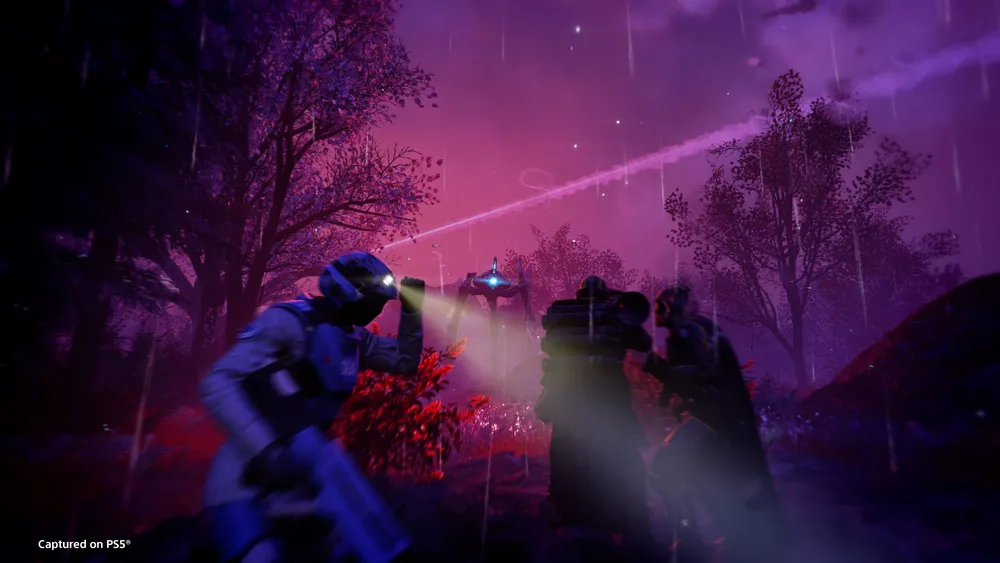
Helldivers 2 is strongest when a Warbond gives squads a different tactical language. New gear should create sidegrades and cooperation, not another permanent checklist or power ladder.
Frostpunk 2 Makes Politics a System, Not a Cutscene
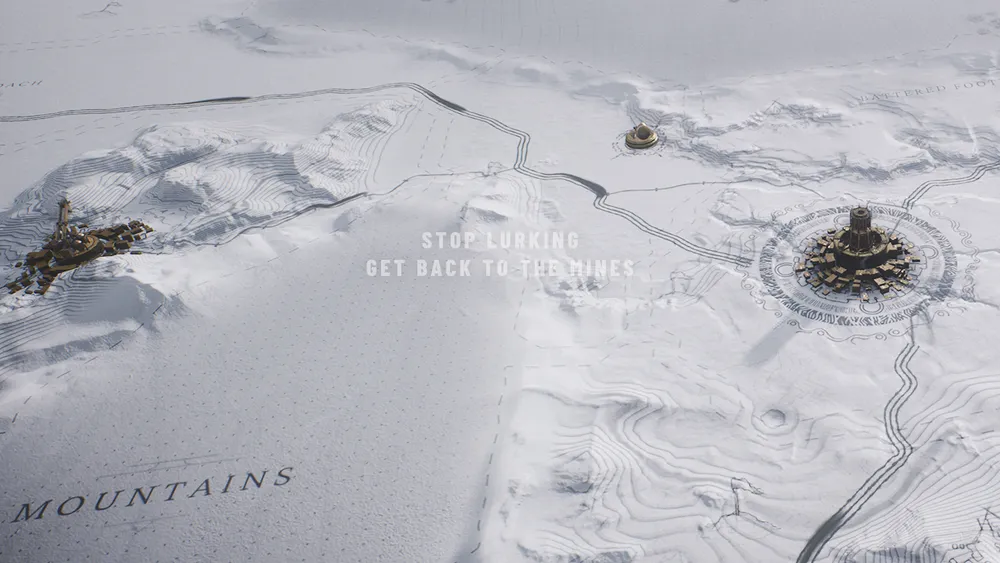
An analytical look at how factions, the Council Hall, and competing demands can turn familiar mechanics into choices players can understand and remember.

Metaphor: ReFantazio Uses Time to Give an RPG Consequence
An analytical look at how time management, Archetypes, and the Royal Tournament can turn familiar mechanics into choices players can understand and remember.
Animal Well Shows How Secrets Can Teach Without Tutorials
Animal Well proves that a game can withhold answers while still teaching players how to notice, test, and share discoveries fairly.