
Helldivers 2 Warbonds Should Add Roles, Not Homework
A live-service shooter can make every new drop feel urgent by attaching the right weapon to it. That is also the fastest way to turn a co-op game into a calendar app. If the newest rifle is simply better, players feel pushed toward a purchase or a grind before their next night with friends. If it is merely cosmetic, the update disappears from the actual match. The better middle ground is gear that changes a squad's choices without making last month's loadout embarrassing.
Arrowhead's Exo Experts Warbond announcement is a useful example of what that could mean. It introduces the EXO-51 Lumberer with an anti-tank cannon and flamethrower, alongside themed weapons and stratagems. Those tools invite a practical question: what job does this player take on when a mission becomes crowded, armored, or unstable? That is more interesting than asking which menu item has the highest number printed beside it.
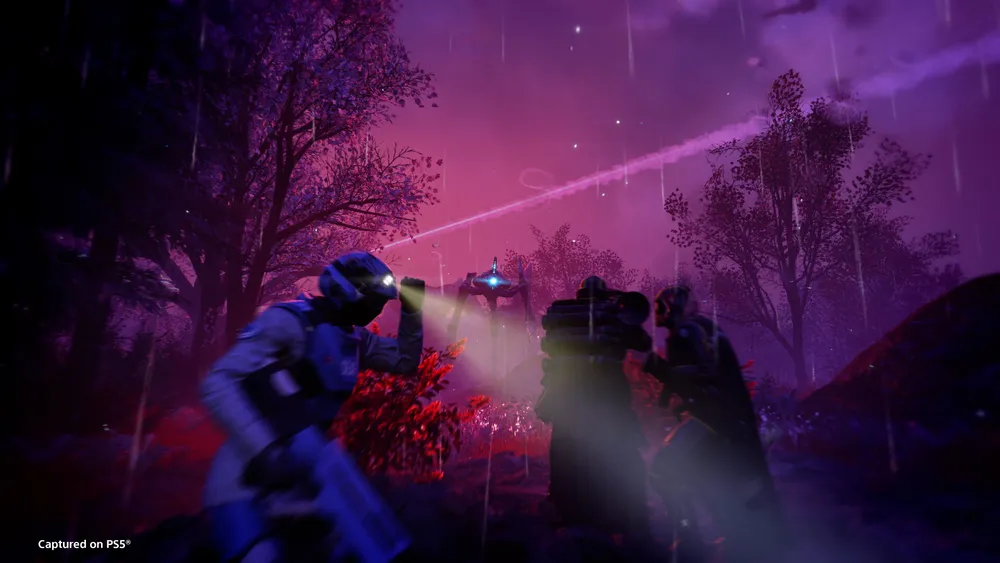
A role is more than a weapon slot
A real sidegrade has a cost and a context. A heavy anti-armor option might make a squad safer against one threat but leave it slower against another. A flame tool can control close space but make positioning more delicate. That tension produces conversation before a drop and improvisation during one. It also lets players bring familiar equipment without feeling like they have deliberately handicapped the team. The point is not perfect balance in a spreadsheet. The point is legible tradeoffs that make teammates notice one another.
Helldivers 2 already has an advantage here: its missions are loud enough to expose a selfish loadout quickly. A player who only brings personal damage will eventually need crowd control, anti-armor support, ammunition, extraction cover, or someone willing to complete the objective while the rest create room. New Warbonds should make those dependencies richer. They should not quietly solve every one of them for the person who equipped the newest bundle.
The calendar cannot become the game
There is nothing wrong with a studio wanting a steady release rhythm. A game that receives understandable new tools gives its community things to discuss and return to. The danger is obligation. When gear arrives so frequently that players cannot learn its counterplay before the next replacement appears, the update schedule starts to dictate play. Players stop choosing a role because it suits the squad and start chasing the feeling of not falling behind.
The answer is not to freeze the arsenal. It is to make old and new equipment speak to different situations. Clear in-game descriptions, a practice space, and missions that reward varied answers would help more than a vague promise that every item is viable. Arrowhead can let a Warbond carry a theme while still showing exactly where it excels, what it gives up, and how it interacts with team tools. That turns a sales page into a tactical proposition players can judge.
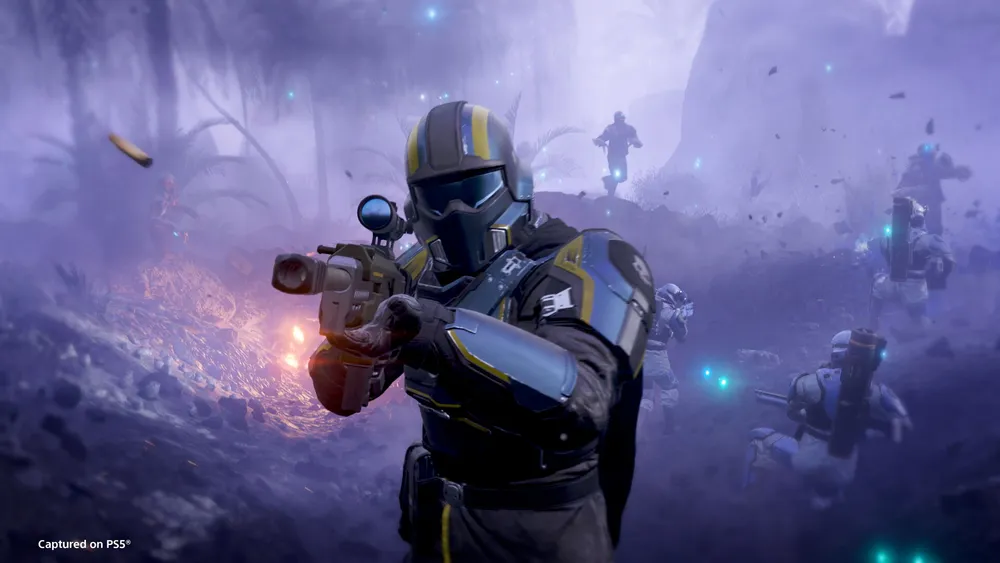
Squads remember the choices they made
The memorable co-op story is rarely that everyone owned the same fresh gun. It is that one player held a lane, another solved the armored threat, someone called the extraction too early, and the team somehow got out. A healthy Warbond feeds that kind of story by adding verbs, risks, and ways to rescue a plan that is going wrong. It does not need to be mandatory to feel substantial.
Helldivers 2 should measure an equipment update by a simple standard: does it create a role a group will talk about, or does it create a chore they feel compelled to clear? The first expands a living shooter. The second makes a lively shooter feel like it has a timesheet. New tools should make room for more team decisions, not ask players to report for duty before they are allowed to have them.

Related posts

Aliens Fireteam Elite 2 Should Improve the Squad Before Expanding the Store
A co-op Aliens sequel will be sustained by teamwork, enemy pressure, and dependable matchmaking. Editions and DLC can extend that foundation, but they cannot replace it.
Split Fiction Shows Co-Op Works When Players Need Different Things
An analytical look at how two writers, split abilities, and asymmetric co-op can turn familiar mechanics into choices players can understand and remember.
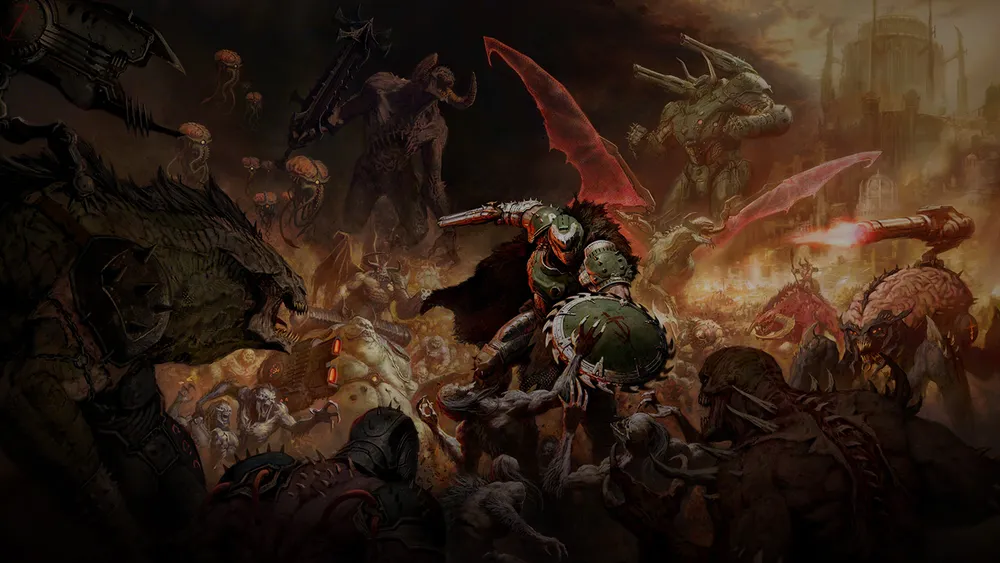
DOOM: The Dark Ages Makes a Power Fantasy Stronger With Limits
An analytical look at how the Slayer Shield, parries, and deliberate aggression can turn familiar mechanics into choices players can understand and remember.
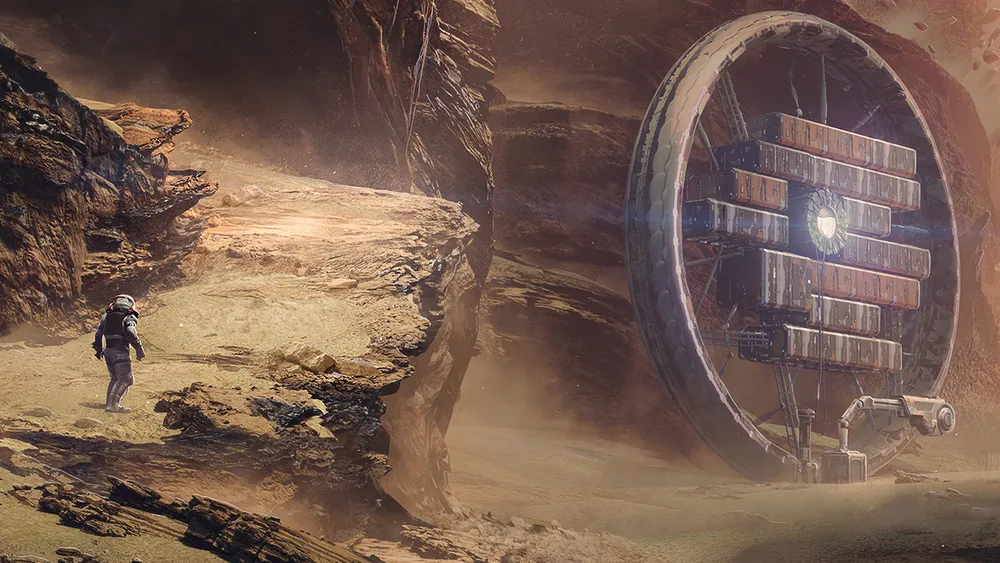
The Alters Knows Survival Games Need a Human Cost
An analytical look at how survival, a mobile base, and alternate versions of Jan can turn familiar mechanics into choices players can understand and remember.