
Hades II Shows Why a Sequel Needs Its Own Ending
A roguelike sequel has an awkward problem. Its first responsibility is to give players another satisfying run, yet a bigger pile of weapons, rooms, and enemies is not a new reason to care about failure. The original Hades turned repeat attempts into conversations, revelations, and small changes at home. Hades II had to preserve that generosity without making Melinoe feel like Zagreus with a different silhouette. Its strongest answer is not scale. It is a different kind of conclusion.
Supergiant's v1.0 announcement confirms that the final release added Melinoe's true ending alongside more events, music, prophecies, and late-game unlocks. The official store description also frames her fight against Chronos as a story that unfolds through setbacks and accomplishments, not a campaign that pauses whenever a run ends. That distinction matters. A run can still be an action challenge, but it also has to move the player toward a resolution that belongs to this protagonist.
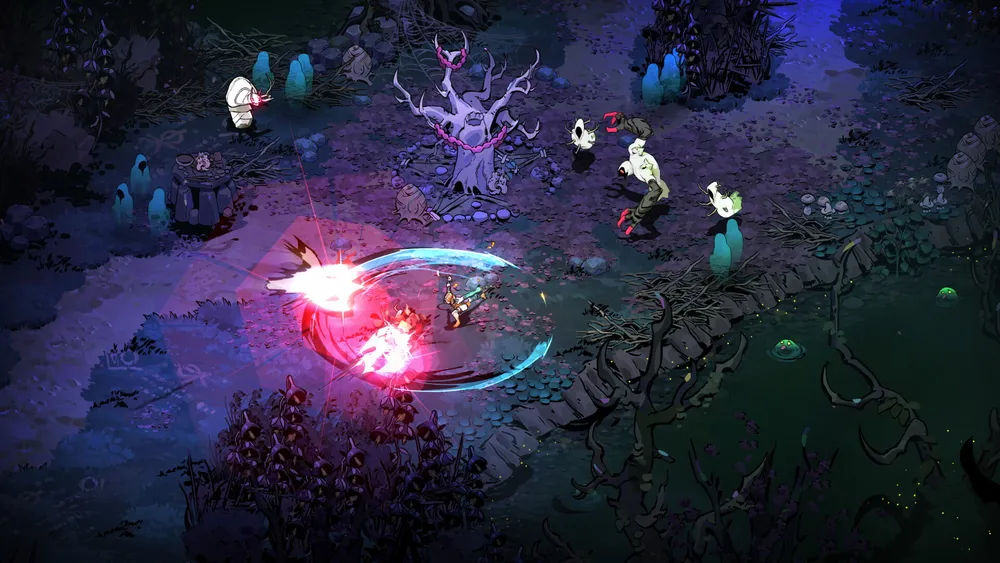
More runs are not the point
The tempting sequel pitch is simple: the first game had a loop people loved, so build a wider loop. There is real value in more routes and more build combinations, especially in a genre built on surprise. But quantity has a way of becoming noise. If every new system only changes damage numbers, the player learns that the destination is endless maintenance. A great second game instead asks a new dramatic question, then makes its repeated play answer that question in pieces.
Hades II's witchcraft is useful here because it changes both fantasy and pacing. The Steam page describes Melinoe's weapons, Olympian boons, Arcana, familiars, and gathering tools. Those are systems, not proof of narrative quality by themselves. Still, they place preparation and ritual beside quick reactions. The original's escape felt like an upward sprint against a father. This campaign can make advance, return, preparation, and persistence feel like parts of one argument against time.
A final act changes how repetition reads
That is why a true ending has unusual weight in a roguelike. It does not have to close the door on replaying. In fact, a good ending makes optional challenges easier to understand because players know what has been emotionally settled and what remains there for mastery. Without that separation, more content can accidentally make every ending feel provisional. The player is never sure whether they are pursuing a story beat, a reward track, or simply another reason to start over.
There is a fair counterargument. Permanent endings can blunt a genre's delicious restlessness. Some players want a game that keeps producing strange builds and hard fights long after the credits, and forcing closure too aggressively can turn an evolving system into a checklist. Hades II should not pretend that completion is the only honest way to play. The better balance is to offer closure for the story while leaving enough mechanical space for experiments, higher difficulty, and relationships to breathe.
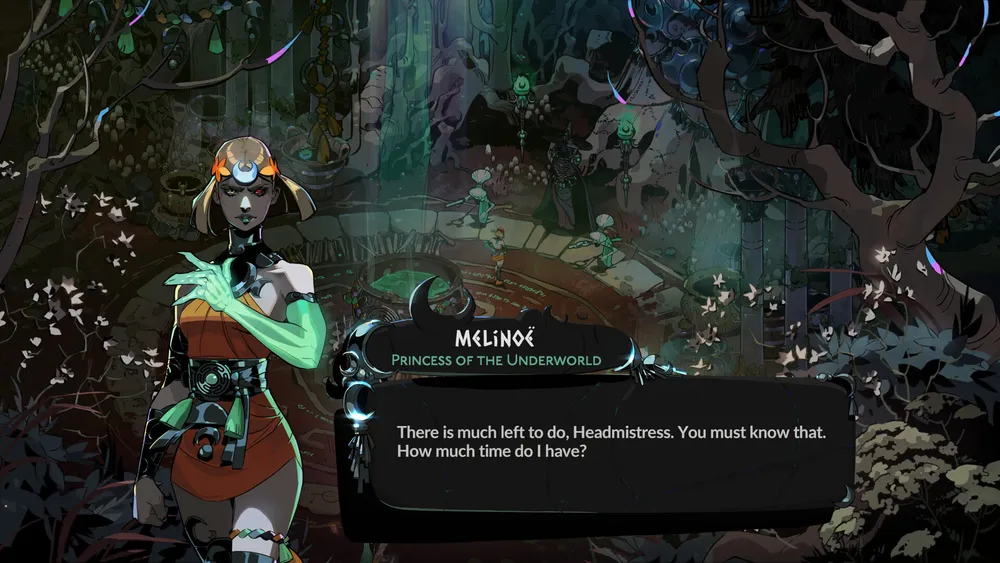
The sequel needs a reason of its own
Sequels in this genre often get measured by a blunt scorecard: more bosses, more biomes, more upgrades, more hours. Hades II can win that contest and still lose its identity if those additions do not change the reason a player walks back into danger. The final version's importance is that it treats the ending as design work, not a formality bolted onto a successful early-access loop.
That is the lesson worth carrying beyond one series. A sequel does not need to reject the rhythm that made its predecessor beloved. It needs to make that rhythm mean something new. Hades II's runs are valuable because the game gives them a second dramatic shape: not merely another escape attempt, but another piece of an ending that only this character and this conflict could earn.

Related posts

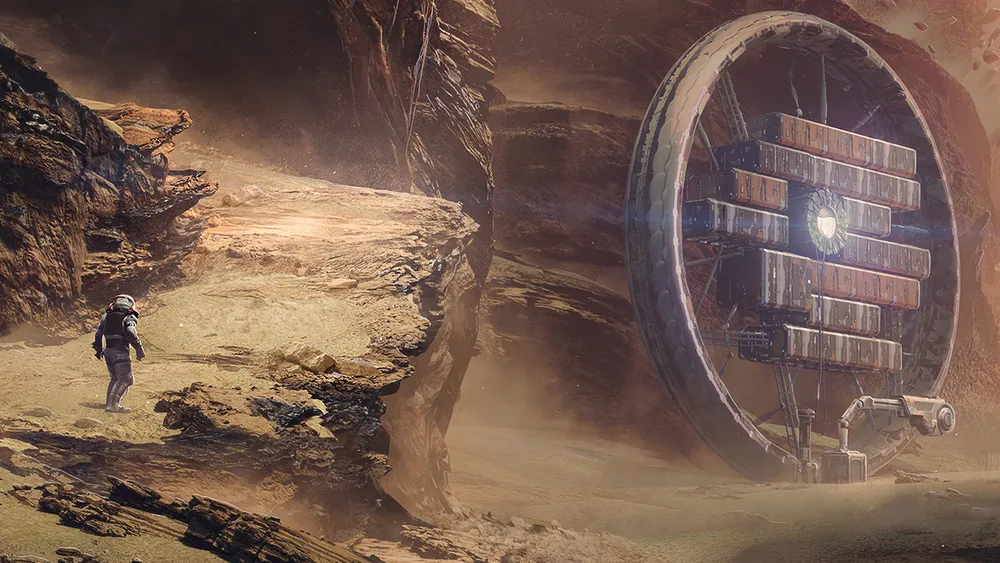
The Alters Knows Survival Games Need a Human Cost
An analytical look at how survival, a mobile base, and alternate versions of Jan can turn familiar mechanics into choices players can understand and remember.
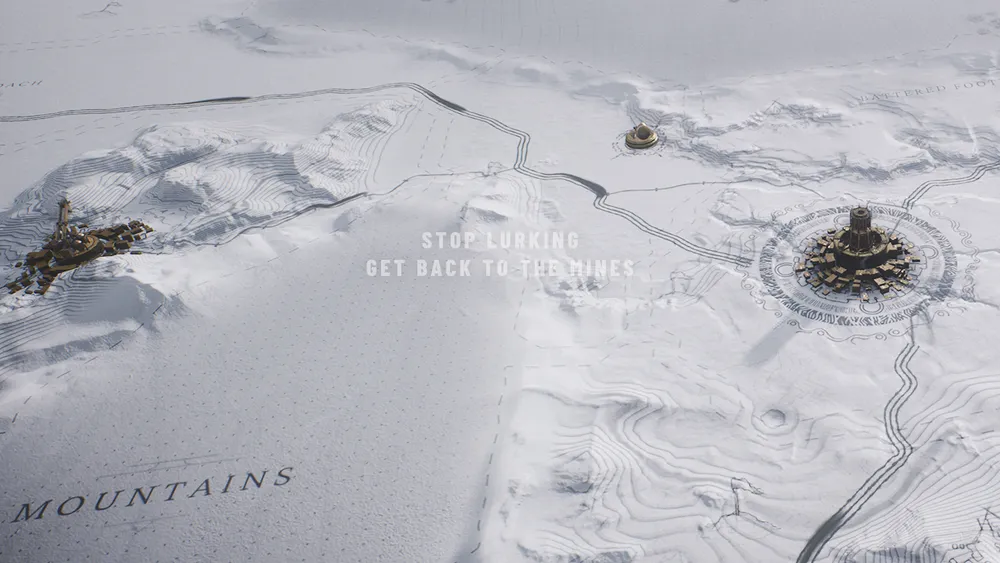
Frostpunk 2 Makes Politics a System, Not a Cutscene
An analytical look at how factions, the Council Hall, and competing demands can turn familiar mechanics into choices players can understand and remember.

Metaphor: ReFantazio Uses Time to Give an RPG Consequence
An analytical look at how time management, Archetypes, and the Royal Tournament can turn familiar mechanics into choices players can understand and remember.
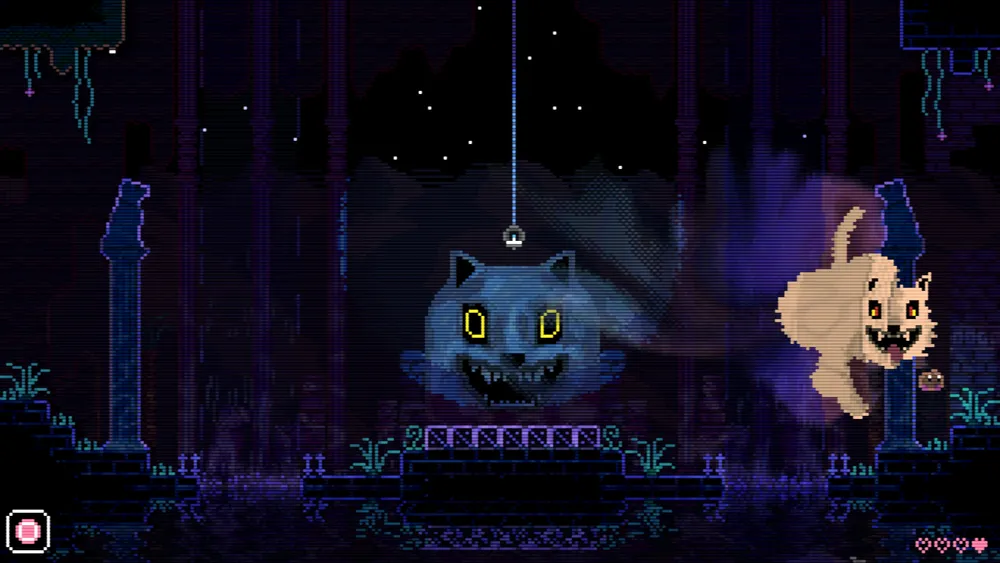
Animal Well Shows How Secrets Can Teach Without Tutorials
Animal Well proves that a game can withhold answers while still teaching players how to notice, test, and share discoveries fairly.