
Clair Obscur Should Come to Switch 2 Only If It Survives the Trip
Every successful game is eventually asked to exist everywhere. The instinct is understandable: more platforms mean more players, and a portable version can change where a long role-playing game fits into daily life. But a port is not valuable merely because an executable opens. If the process strips away the visual direction, destabilizes combat, or consumes the team that should be supporting its next work, availability has become a poor trade.
Sandfall Interactive is treating a possible Switch 2 version of Clair Obscur: Expedition 33 with the caution it deserves. In comments covered by VGC, studio leaders said they are interested but still evaluating technical feasibility. They identified the handheld's lower power, the size of the team, and incomplete support for some Unreal Engine 5 features as real obstacles.
That answer is healthier than a logo followed by eighteen months of silence. Porting is design work, not a resolution slider. Geometry, materials, lighting, memory use, streaming, input latency, and loading all interact. Remove the wrong effect and a scene loses its atmosphere. Reduce the wrong crowd or animation and the world feels less authored. The target should be the same artistic argument under different constraints, not superficial feature parity.
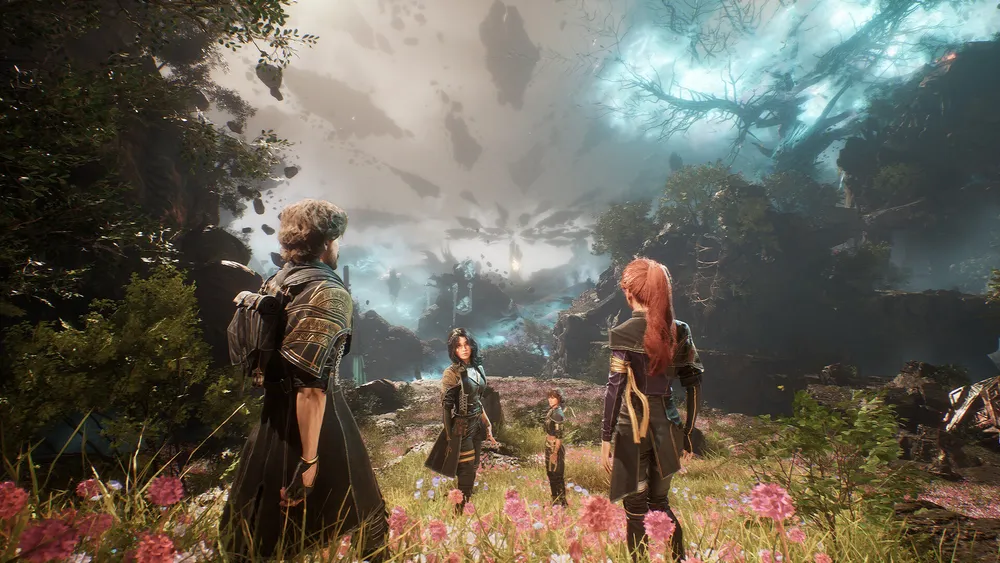
Optimization is a creative decision
Clair Obscur's identity is not reducible to photorealism or technical expense. Its theatrical lighting, painterly environments, character animation, and precise presentation work together. A skilled port can preserve those priorities with lower-resolution assets and redesigned effects. The hard part is deciding which qualities the player must perceive even when the machine cannot reproduce the original method.
Unreal Engine 5 makes that negotiation complicated. Middleware can create the impression that multiplatform support is a switch waiting to be enabled, but hardware-specific features and performance behavior still demand engineering. Sandfall's comments about Lumen support show why a small team cannot treat the work as free. An engine may support a device in general while a particular game's rendering choices remain expensive to translate.
Memory and storage behavior can be as important as lighting. A world built around fast solid-state streaming may need new asset groupings, different level transitions, and stricter limits on what remains resident. Those changes touch art and encounter pacing, not only code. A port team that arrives late may discover that many apparently visual decisions were embedded in the original production pipeline.
The real-time inputs inside Clair Obscur's turn-based battles raise another standard. A reduced frame rate does not automatically ruin the system, but inconsistent delivery can make parries and dodges feel less learnable. Timing windows may need platform-specific tuning and careful latency tests in handheld and docked modes. Preserving the rules matters more than matching a resolution number.
- Choose a stable performance target before advertising image-quality features.
- Test parry and dodge timing separately in handheld and docked play.
- Show representative combat footage rather than only controlled screenshots.
- Explain which visual systems changed and which artistic priorities were preserved.
There is also a human performance budget. Every engineer investigating a difficult port is not fixing another version, building tools, or preparing the next project. Outsourcing can help, but it adds communication and quality-control costs. The larger audience must justify not only the technical compromise on Switch 2, but the opportunity cost across the studio.
Portability is not worth any compromise
None of this argues that demanding games should stay away from Nintendo hardware. Constraints can produce excellent ports, especially when developers set an honest frame-rate target and rebuild systems around it. A stable, thoughtfully adapted version at a lower resolution is more valuable than an impressive screenshot attached to uneven play.
There are benefits worth pursuing. Portability can make a long RPG easier to continue, sleep-and-resume behavior can reduce the friction around short sessions, and a Nintendo audience may discover the game outside the platforms where it first built its reputation. Those are meaningful design opportunities, not merely extra sales. They justify investigation, but not an unconditional promise.
A specialist external studio could reduce the burden if Sandfall retains enough time and authority to review the work. Outsourcing is not a magic transfer of responsibility: the partner needs source access, art priorities, test cases, and rapid answers from the original team. The best port arrangement protects Sandfall's next project while giving adaptation to people whose main expertise is extracting coherent results from constrained hardware.
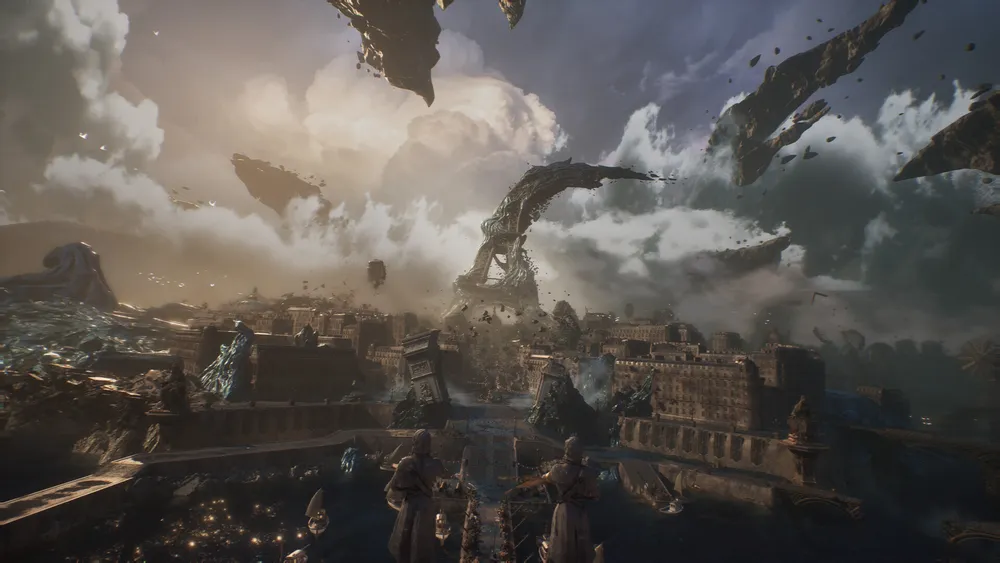
The official Steam page makes clear how strongly the game sells its world, turn-based combat with real-time actions, and presentation as one package. A Switch 2 edition should keep that package coherent. If a necessary reduction changes the timing, obscures combat information, or flattens the environments that carry the mood, waiting for better tools is the responsible choice.
Players often read a missing port as neglect. Sometimes it is evidence of standards. Sandfall is right to investigate without promising an outcome, because the goal should not be getting Clair Obscur onto another store page. It should be getting the game there with its identity intact. If that takes longer, the wait is cheaper than a version everyone spends years apologizing for.
Transparency would make that wait easier. A real performance target, clear explanation of visual changes, and representative handheld footage tell customers what was preserved. A vague promise that the experience is the same encourages comparisons the hardware cannot win. Honest adaptation can turn compromise into a design choice rather than a defect discovered after purchase.

Related posts

Steam Deck Verified Is Useful Only When It Explains the Compromise
Steam Deck Verified is valuable when it explains controls, display, launchers, and system support. A green checkmark should start a purchase decision, not substitute for it.
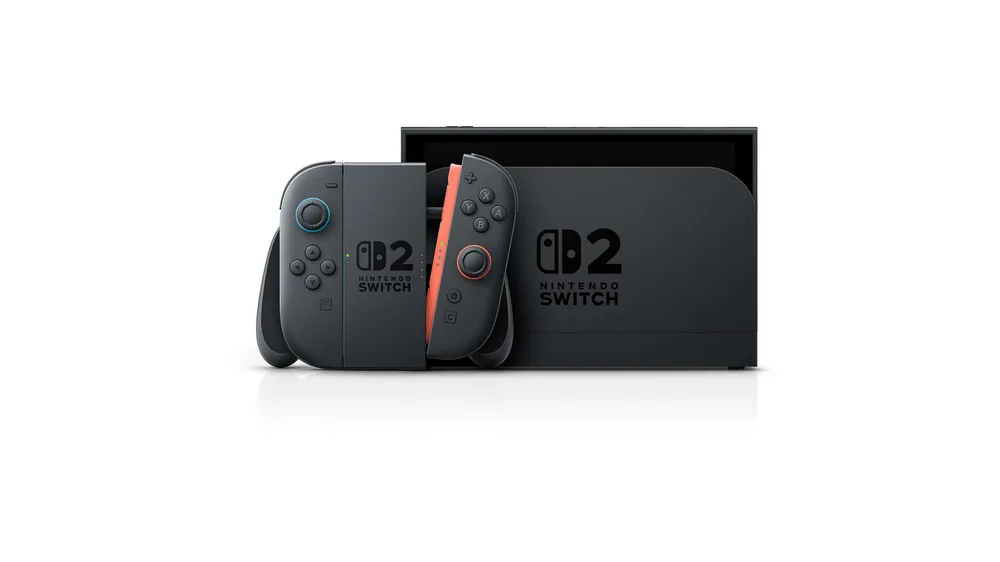
Miyamoto Is Right: Console Specs Stopped Being the Whole Argument
Hardware power still matters, but raw specifications no longer explain why people choose one console over another. Identity now comes from the complete experience around the chip.
PlayStation Without Discs Is a Worse Deal for Everyone
A digital-only PlayStation future would remove resale, lending, retail competition, and a durable fallback when accounts or stores fail. Convenience is useful; dependence is not the same bargain.
A $339 RTX 3060 Listing Appeared Again, and the Value Is Hard to Defend
A Gigabyte RTX 3060 12GB appeared at Newegg for $339.99. That retail listing is real, but it is not proof that Nvidia has formally relaunched the card.