
Miyamoto Is Right: Console Specs Stopped Being the Whole Argument
Console arguments still reach for specifications because numbers feel decisive. A faster processor, wider memory bus, or higher theoretical graphics figure can be placed in a table and declared the winner before anyone touches a controller. The problem is not that those measurements are false. It is that they describe capacity more cleanly than they describe value. Most people do not buy a console to own a particular number of teraflops. They buy an expectation about what playing on it will feel like for several years.
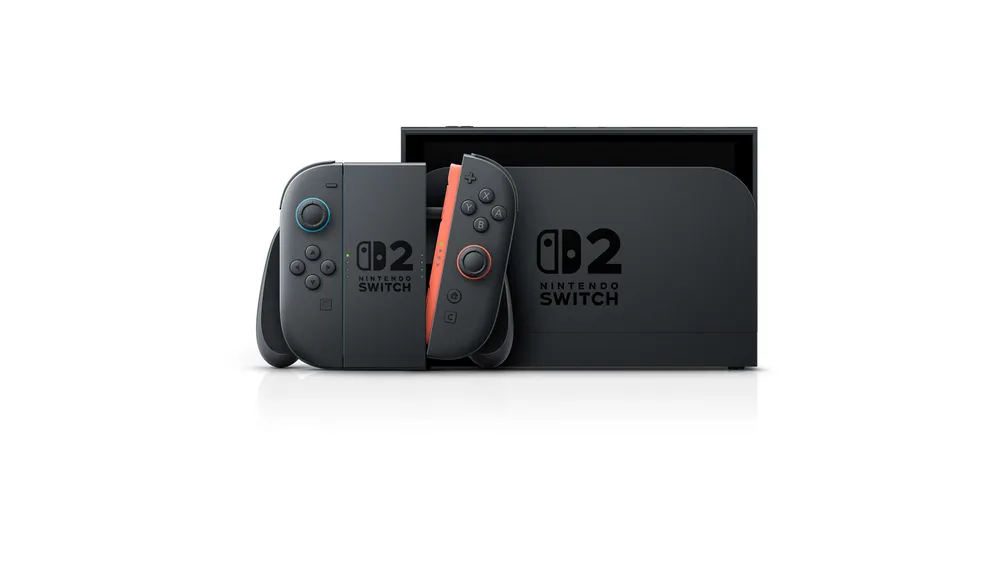
Shigeru Miyamoto recently argued that consumers no longer choose hardware by comparing specifications alone, according to MP1st's account of the interview. Nintendo's long record makes the point difficult to dismiss. The company has often sold less powerful machines by giving them a legible identity: two screens, motion control, hybrid portability, local play, or software built around those conditions.
That does not mean power became irrelevant. It means power became infrastructure. Players notice it when a game stutters, a port is missing, loading interrupts the rhythm, or a machine cannot support the experience being advertised. Once performance is credible enough, however, additional capacity competes with a much larger set of reasons to care: price, convenience, friends, backward compatibility, subscriptions, exclusives, repairability, and whether the hardware fits into an ordinary day.
The specification race became harder to see
Earlier generational leaps could change the visible grammar of games. Moving from sprites to polygons or from muddy standard definition to HD required little explanation. Modern upgrades can still be significant, particularly for frame rate, resolution, ray tracing, and simulation, but their benefits are more conditional. They depend on the display, the game, the performance mode, and the player's sensitivity. A screenshot often struggles to communicate what an expensive mid-generation upgrade is supposed to transform.
At the same time, third-party engines and multiplatform development have made software libraries overlap. If the same major releases appear on several boxes and PCs, superior hardware can offer the best version without offering a fundamentally different reason to enter the ecosystem. That advantage is real for enthusiasts. It is less persuasive to a family choosing one machine, a commuter who values portability, or a player whose existing library and friends are elsewhere.
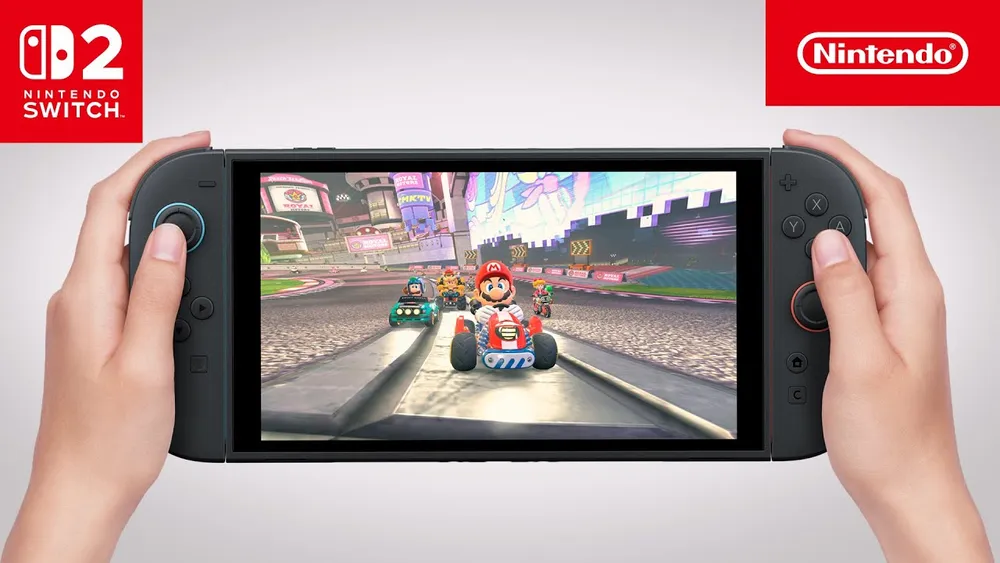
Nintendo's response has usually been to make the hardware proposition visible before the specifications are discussed. The original Switch explained itself in seconds: a home console could leave the dock and continue in your hands. That feature did not erase its technical compromises, but it made them part of a coherent trade. Lower performance bought a form factor and usage pattern that competitors did not offer in the same way.
Identity cannot excuse inadequate hardware
Miyamoto's argument becomes dangerous if publishers use it to suggest that players should stop caring about performance. A distinct interface cannot excuse unstable frame rates, inadequate storage, poor wireless hardware, or a weak launch lineup. Nintendo itself has released ambitious software that made the limits of its machines painfully visible. Creative design can work around constraints; customers should not have to pretend those constraints carry no cost.
Specifications also shape which developers can participate. A large performance gap makes ports more expensive, requires deeper visual compromises, and can exclude games whose simulation or memory demands do not scale gracefully. For players, that can mean late releases, cloud-only versions, or no version at all. Hardware identity is strongest when the machine is powerful enough to support its premise, not when personality is asked to replace technical competence.
The better interpretation is that performance is one component in a product design. A portable machine needs enough efficiency and battery life to make mobility believable. A premium living-room console needs image quality and stability that justify its size and price. A platform promising continuity needs storage, compatibility, and account systems that respect old purchases. The winning specification is the one that helps fulfill a clear use case.
Players buy a relationship, not a benchmark
A console purchase lasts longer than the comparison chart used to market it. Over time, its identity is formed by mundane details: how quickly a game resumes, whether controllers drift, how easy local multiplayer is to start, whether saves follow the player, how intrusive the storefront becomes, and how safely a family can share it. None fits neatly beside GPU clock speed, yet each can determine which machine is actually used.
This has an important implication for every platform holder, not only Nintendo. Sony and Microsoft cannot rely on a hardware advantage to create affection if their interfaces, pricing, ownership rules, or software strategies feel interchangeable. Nintendo cannot rely on charm if performance repeatedly blocks the games its audience wants. The argument has moved from who built the strongest box to who designed the most convincing relationship between box, software, and life.
Developers experience the same equation from the other side. Predictable tools, certification support, audience fit, and a viable storefront can matter more than peak hardware capacity. A console with a coherent identity helps a studio understand which project belongs there. Specifications enable a port; an ecosystem gives the port a commercial and creative reason to exist.
Specifications remain evidence, and informed buyers should keep reading them. They are simply no longer the whole verdict. Miyamoto is right because a modern console is an ecosystem expressed through hardware. Power determines what it can do; identity explains why anyone would choose to do it there.

Related posts

Steam Deck Verified Is Useful Only When It Explains the Compromise
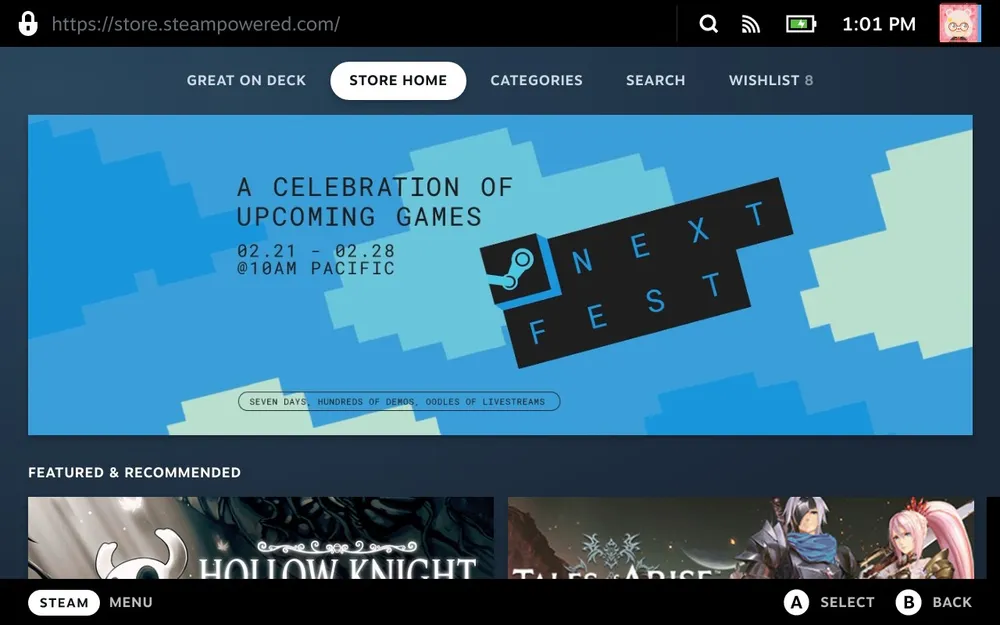
Steam Deck Verified is valuable when it explains controls, display, launchers, and system support. A green checkmark should start a purchase decision, not substitute for it.

Clair Obscur Should Come to Switch 2 Only If It Survives the Trip
A Switch 2 port of Clair Obscur would widen the audience, but availability is not valuable when performance, visual direction, or a small studio's next project pays the full cost.

PlayStation Without Discs Is a Worse Deal for Everyone
A digital-only PlayStation future would remove resale, lending, retail competition, and a durable fallback when accounts or stores fail. Convenience is useful; dependence is not the same bargain.
A $339 RTX 3060 Listing Appeared Again, and the Value Is Hard to Defend
A Gigabyte RTX 3060 12GB appeared at Newegg for $339.99. That retail listing is real, but it is not proof that Nvidia has formally relaunched the card.