
A $339 RTX 3060 Listing Appeared Again, and the Value Is Hard to Defend
A Gigabyte WINDFORCE OC RTX 3060 12GB Rev. 2.0 appeared on Newegg at $339.99 when this article was checked on July 29, 2026. Retail prices and stock can change at any time. The listing is evidence that one model was available, not confirmation that Nvidia formally relaunched the RTX 3060.
Nvidia originally launched the RTX 3060 in February 2021 at a starting price of $329. The current retailer listing therefore sits above the old launch price, but that comparison needs two cautions: the original figure was a starting MSRP, and a partner card's live price is set in a different market. Earlier claims about a CES promise, a June stock history, and wider European inventory lacked durable primary evidence and have been removed.
A Five-Year-Old Card at a Brand-New Price
The value comparison is uncomfortable. AMD announced the RX 9060 XT 16GB at $349 in its official launch release. In Ars Technica's independent benchmark suite, that card was often roughly 40 to 60 percent faster. Actual street prices vary, but a ten-dollar gap between the cited listings makes the older card difficult to recommend on raster performance.
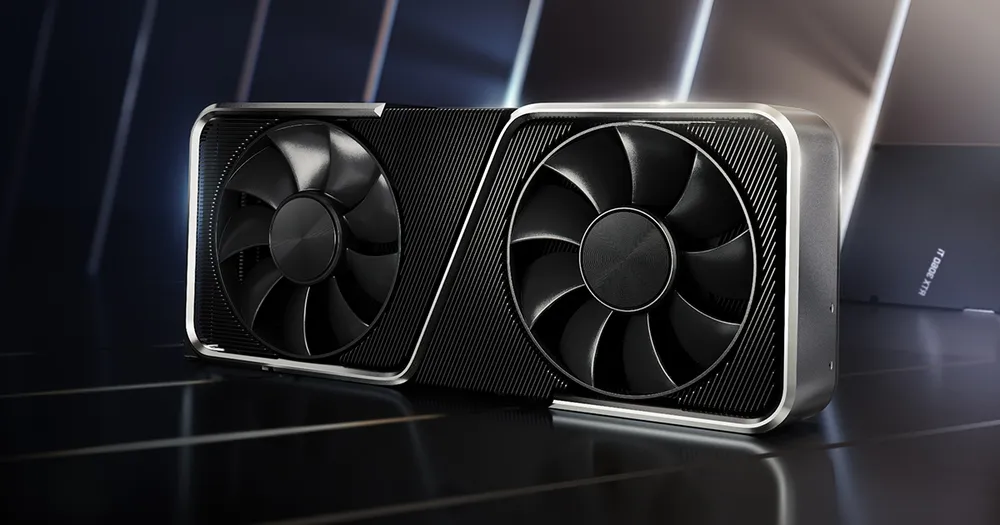
The feature story needs precision. RTX 30 cards support DLSS 4.5 Super Resolution, Ray Reconstruction, and DLAA, as Nvidia's DLSS 4.5 compatibility material explains. They do not support Frame Generation or Multi Frame Generation. An earlier version incorrectly suggested that the RTX 3060 misses the whole DLSS 4.5 suite and referred to an unannounced DLSS 5.
Nvidia's own newer entry-level cards complicate the picture, but current price claims need dated retailer links rather than loose phrases such as 'the same price.' TechSpot's RTX 5050 review found it only marginally faster in parts of its test set, not a universal victory. Steam hardware-share rankings also change monthly and mix several device classes, so they should not be used as an evergreen buying argument.
The same stack of cash, laid out in one glance:
- Gigabyte RTX 3060 12GB listing checked July 29, 2026: $339.99, with DLSS 4.5 reconstruction features but no Frame Generation.
- AMD RX 9060 XT 16GB launch price: $349; independent testing often placed it 40 to 60 percent ahead.
- Newer Nvidia alternatives: compare current partner-card prices and per-game benchmarks before buying.
- RTX 5050: marginally faster in some tests, not categorically faster in every workload.
So Who Is This Actually For?
The public listing does not reveal manufacturing cost, margin, production volume, or whether Nvidia ordered a new run. Claims that Ampere is now exceptionally cheap to produce, that another GPU was pulled over cost, or that units sold out quickly cannot be inferred from a product page. The defensible consumer conclusion is narrower: at the checked price, the card faces substantially faster competition.
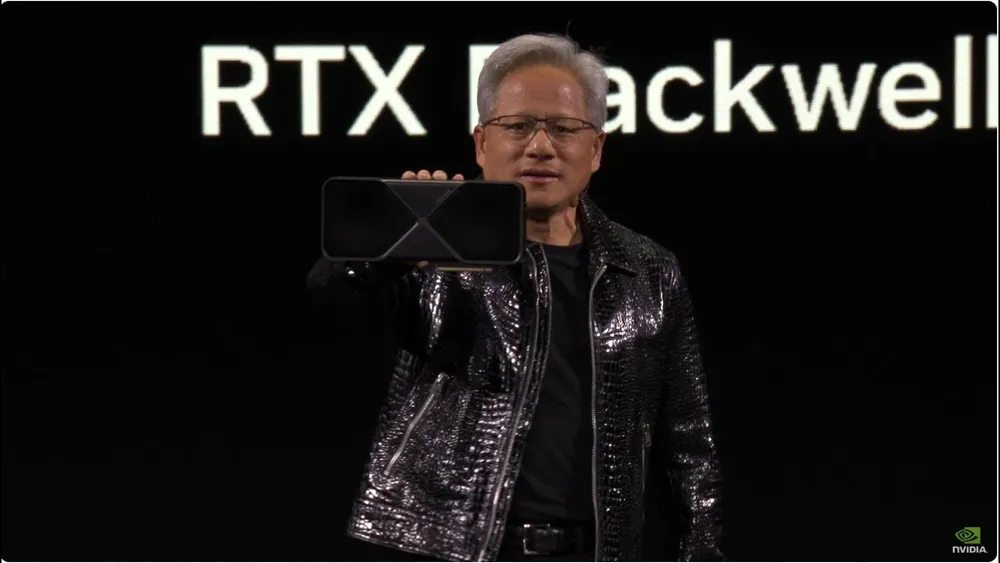
None of this happens in a vacuum, but broad claims about AI demand squeezing GPUs, memory, and storage need market data for each component. A single retailer page cannot establish that causal chain. For a buyer standing in front of this listing, the more useful work is ordinary: check current stock, compare the specific cooler and warranty, read benchmark results for the games you play, and decide whether twelve gigabytes of VRAM outweighs the missing frame-generation support.
The Part That Actually Worries Me
What nags at me goes beyond the sticker. If a fresh wave of 3060s pours back into people's rigs, what does that do to how games get built? Do developers start dialing their requirements back down to keep this aging hardware in the conversation, or do we get the same parade of poorly optimized releases we always get, the ones that stutter no matter what you bought? I honestly don't know which outcome is worse. One means we hold the medium back to babysit 2021 silicon. The other means nobody optimizes anything and you eat the frame drops anyway.
Maybe that is the real legacy of the 3060's encore. Not a deal, not a lifeline for budget builders, just a five-year-old card wearing a 2026 price tag while the actually good options sit on the shelf right next to it. If you came here hoping I'd talk you into it, the best I can offer is the timeless wisdom of Todd Howard: just upgrade your pc.

Related posts


Steam Deck Verified Is Useful Only When It Explains the Compromise
Steam Deck Verified is valuable when it explains controls, display, launchers, and system support. A green checkmark should start a purchase decision, not substitute for it.
Miyamoto Is Right: Console Specs Stopped Being the Whole Argument
Hardware power still matters, but raw specifications no longer explain why people choose one console over another. Identity now comes from the complete experience around the chip.

Clair Obscur Should Come to Switch 2 Only If It Survives the Trip
A Switch 2 port of Clair Obscur would widen the audience, but availability is not valuable when performance, visual direction, or a small studio's next project pays the full cost.
PlayStation Without Discs Is a Worse Deal for Everyone
A digital-only PlayStation future would remove resale, lending, retail competition, and a durable fallback when accounts or stores fail. Convenience is useful; dependence is not the same bargain.