
Capcom Keeps Winning Because It Treats Old Games Like New Assets
Publishers often talk about old games as intellectual property waiting to be activated. Capcom increasingly treats the games themselves as active products. That difference sounds small, but it changes the business. A dormant brand needs a remake, television deal, or new sequel before it can earn attention. A maintained catalog can keep finding players every time hardware, pricing, or cultural context creates another opening.
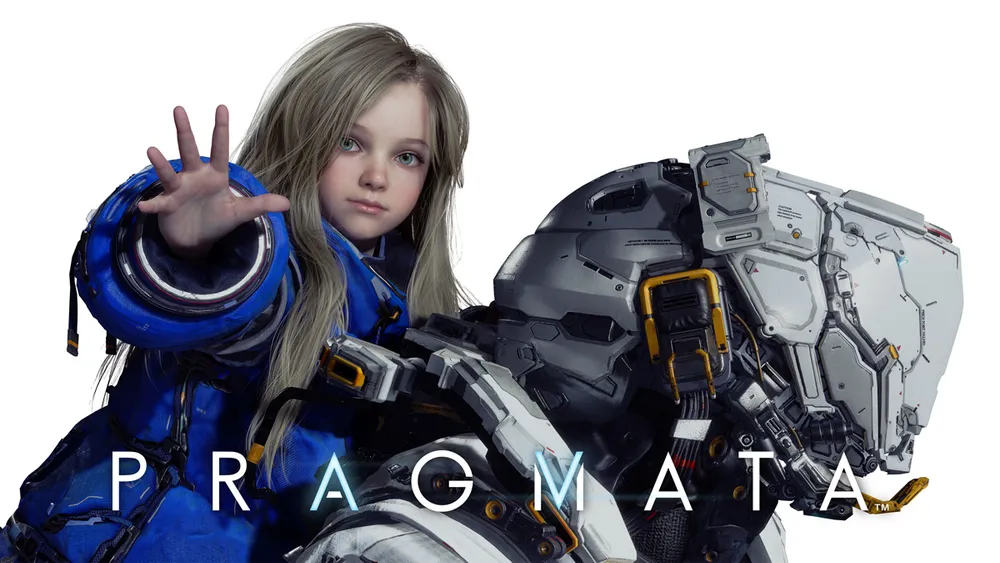
Capcom's latest quarter shows the result. According to VGC's report on the company's figures, Q1 net sales rose 54.7 percent year over year and operating profit rose 66.9 percent. New releases helped, including Pragmata, but older Resident Evil games also continued selling through regular pricing initiatives.
The useful lesson is not simply that discounts work. Cheap, inaccessible software remains inaccessible. Capcom's catalog benefits from years of multiplatform releases, functional PC versions, current-console support, recognizable series organization, and new entries that send curious players backward. Price opens the door; continuity gives people a reason to walk through it.
The back catalog compounds
A strong new Resident Evil does more than sell its own copies. It renews interest in Resident Evil 2, 3, 4, 7, and Village. Each older game offers a different price and a different entry point, so the series can meet a newcomer who is unwilling to spend full price on the latest release. The catalog behaves less like a graveyard and more like a ladder.
That ladder works in both directions. A newcomer attracted by a cheap remake can become a full-price customer for the next release, while an expensive new game creates attention that older entries capture at lower prices. Capcom does not need every title to perform the same job. Different ages and price points allow one series to serve curiosity, conversion, and premium demand without turning each launch into the only chance to recover its cost.
Platform coverage extends the cycle. When a game remains easy to buy on PC and current consoles, recommendations can turn into purchases instead of explanations about discontinued hardware. Backward compatibility and competent ports are marketing infrastructure: every video essay, adaptation, speedrun, or sequel reveal can reactivate demand years after the original campaign ended.
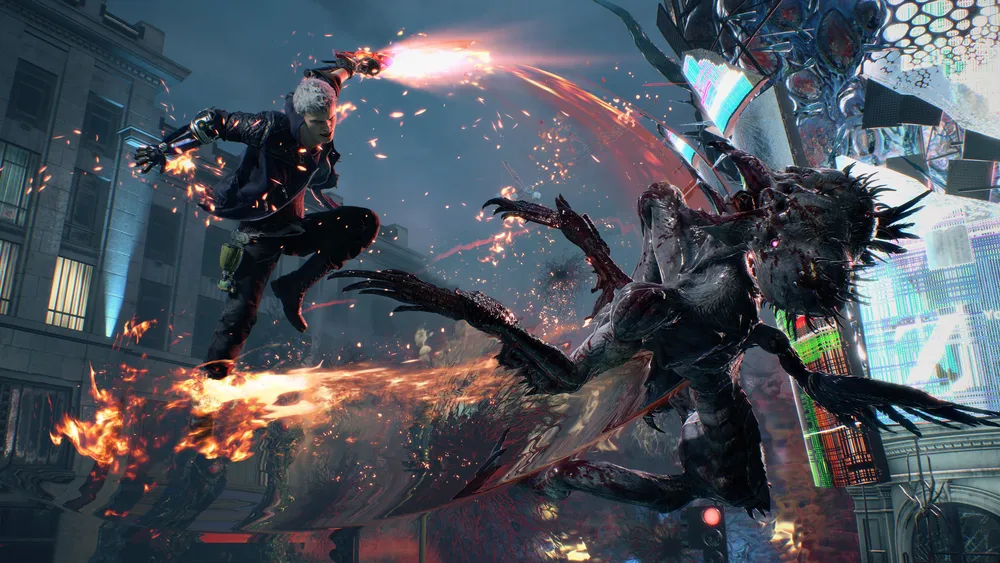
This is one reason single-player games can have unusually long commercial lives. They do not need healthy matchmaking or an active seasonal pipeline to remain complete. A seven-year-old action game can benefit from an anime, a sequel announcement, or one well-timed discount without first rebuilding a population. VGC notes that Devil May Cry 5 continued moving substantial units while the animated series kept the name visible.
Capcom has also learned to separate catalog pricing from brand value. Frequent discounts do not make Resident Evil look disposable because new releases still arrive as premium events. The older games become accessible invitations, and the newest title captures the audience ready to pay for the next chapter. Each side supports the other.
This is different from depending on a subscription catalog. A discount leaves a purchase attached to the customer's account rather than borrowing access until a service rotation ends. That permanence encourages slow discovery and preserves a direct price relationship between publisher and player. Subscriptions can still widen reach, but Capcom's model shows that ownership and affordability do not have to be opposites.
A catalog still requires care
The model is not automatic. Poor ports, delisted versions, missing content, or confusing editions can turn history into friction. Remakes can also replace originals in public memory when both versions are not kept available. Treating old games as assets should mean maintaining access to the work, not mining familiar names until only the newest commercial interpretation remains.
Capcom still has gaps against that standard. Several original versions and less famous series entries are harder to purchase than their commercial potential suggests. Licensed content, aging online systems, and platform-specific releases create real barriers, but a catalog strategy should include an explicit preservation plan. The strongest version of this business keeps remakes and originals available as different products instead of forcing one to erase the other.
Quality control is what makes the discount cycle credible. If older PC releases accumulate compatibility problems or current updates introduce intrusive technology, low prices stop feeling generous and start signaling abandonment. Catalog revenue should fund maintenance, testing on new operating systems, and store pages that state which version and content a customer receives.
There is another limit: a successful catalog can make a publisher conservative. If familiar series sell forever, experimental projects may look unnecessarily risky. Pragmata matters in that context because an all-new property tests whether Capcom's production confidence extends beyond the franchises already compounding. A healthy archive should fund new bets, not become an argument against them.
The internal benefit can be creative as well as financial. New teams can study working games, reusable engine knowledge can move between projects, and older mechanics can return without requiring a complete brand reboot. A maintained catalog keeps design history available to developers inside the company, not only to customers outside it.
Capcom's advantage is not one magic engine or one blockbuster quarter. It is a chain in which new games renew old ones, old games recruit future customers, and accessible pricing keeps the entire system moving. Other publishers own catalogs just as famous. Fewer behave as if those games still deserve to be sold, played, and supported as products. The numbers are what long-term care looks like after it has had time to accumulate.

Related posts


Blue Prince Makes a House Feel Like a Question
Blue Prince turns a changing floor plan into a puzzle about memory, evidence, and deliberate uncertainty. Its rooms matter because discovery is legible without being handed over.

Like a Dragon: Infinite Wealth Makes Side Stories Matter
Like a Dragon: Infinite Wealth understands that optional stories are not spare content. They give an RPG a second language for character, comedy, and place that the main plot cannot always use.
Steam Deck Verified Is Useful Only When It Explains the Compromise
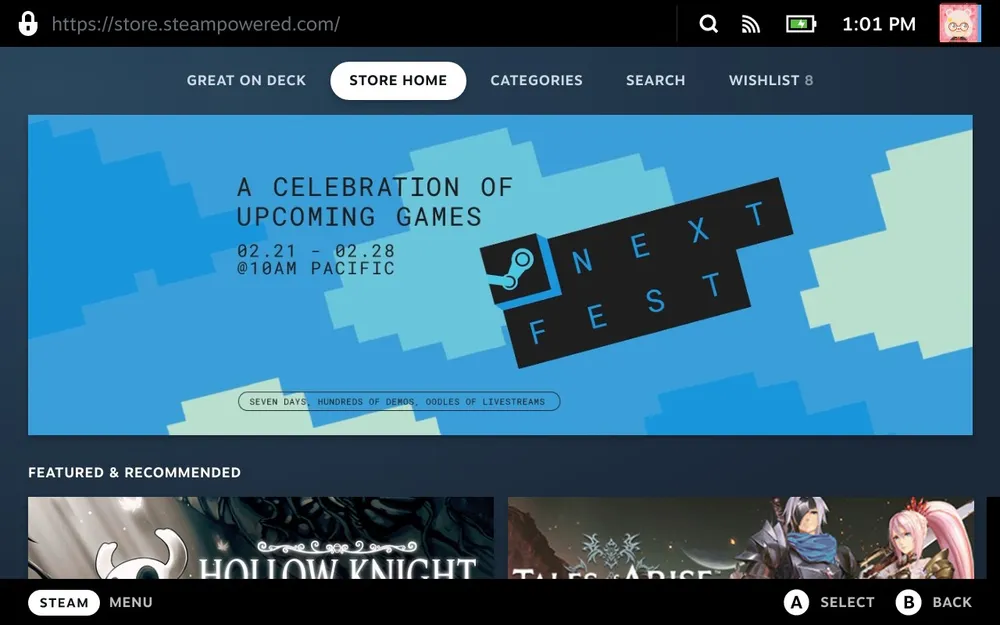
Steam Deck Verified is valuable when it explains controls, display, launchers, and system support. A green checkmark should start a purchase decision, not substitute for it.
Silent Hill 2 Remake Works Best When It Leaves You Uneasy
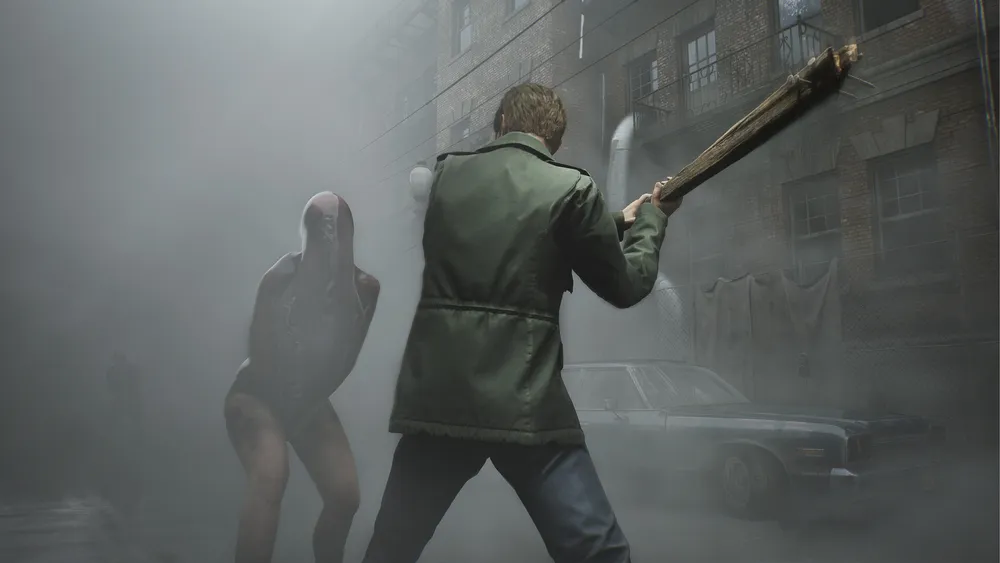
Silent Hill 2's remake has room to modernize its presentation, but its psychological horror works only when new technology sharpens uncertainty instead of explaining the town away.