
Metal Gear Solid 4 Is Finally Escaping Its PS3 Prison
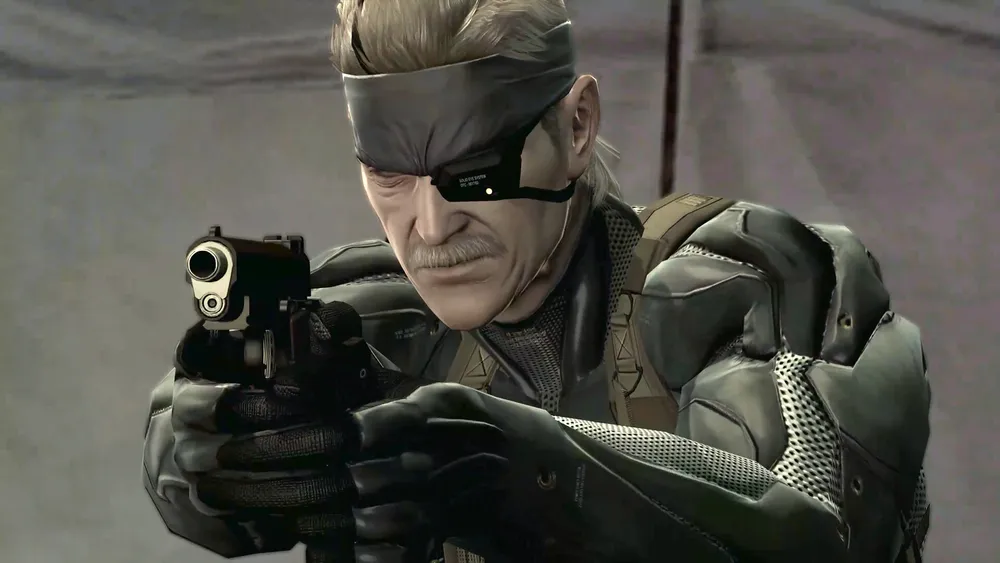
Metal Gear Solid 4 has spent most of its life trapped inside the machine it was designed to showcase. The PlayStation 3 version remained playable for anyone with the hardware, a working disc or download, compatible display connections, and patience for an aging platform. That is technically availability. It is not durable access, especially for a game that closes major character arcs across one of the medium's most discussed series.
Konami's official announcement confirms that Metal Gear Solid: Master Collection Vol. 2 includes Metal Gear Solid 4: Guns of the Patriots alongside Peace Walker and Ghost Babel, with releases across current platforms. The package also promises screenplay and master books, soundtracks, and a version of the Metal Gear Solid 4 Database. That list finally gives Old Snake a route out of PS3 dependence. It also creates a higher obligation than making the executable launch.
Preservation is often described as a binary: a game is playable or lost. Collections reveal a spectrum. A port may run but alter visual effects, omit online modes, introduce latency, lose licensed material, or present a version detached from its original context. Metal Gear Solid 4 is unusually sensitive to these changes because its design, presentation, and commentary are tangled with the hardware and network culture of its time.
Access is the first preservation victory
Current-platform releases reduce several kinds of fragility at once. Players no longer need to source discontinued hardware or keep one console connected for a single chapter. PC availability creates another path that is less tied to one living-room generation. Modern storefronts make the series easier to discover in order, while consistent controller support and display output remove practical barriers that grow every year.
That accessibility changes criticism as well as consumption. Students, writers, designers, and curious players can examine the game directly instead of relying on cutscene compilations, remembered arguments, or emulation setups of uncertain accuracy. Metal Gear Solid 4 is full of ideas about war economies, exhausted heroes, private military systems, and the burden of concluding a mythology. Those ideas deserve to remain available for disagreement.
Including Peace Walker and Ghost Babel broadens the archival value. Peace Walker connects the portable design history of Metal Gear to later base-building and mission structures. Ghost Babel preserves a distinct handheld interpretation rather than only the most famous numbered games. A collection becomes more useful when it shows how a series changed across hardware instead of presenting history as one uninterrupted line of prestige releases.
A port can preserve the wrong thing
The first Master Collection demonstrated why caution remains necessary. Launch criticism focused on technical and presentation shortcomings across versions, and later updates improved parts of the package. Vol. 2 arrives with the benefit of that experience and the burden of proving the lessons became production standards. Metal Gear Solid 4 is not the title on which to repeat a release-now, repair-later strategy.
Performance and image quality are the obvious tests, but they are not the only ones. The game used extensive installation behavior, PlayStation-specific references, online functionality, unusual controller features, and licensed material. Some elements may need adaptation rather than literal reproduction. Konami should document those changes clearly so players know which historical version they are experiencing and why a feature differs.
The database and books can provide essential context if treated as more than menu bonuses. Production notes, version information, control explanations, and credits help a collection function as an archive. Online components that cannot return should be described rather than silently erased. Preservation is strongest when it records absence instead of pretending the present package is identical to the original moment.
Ownership must outlive the collection's servers
For players, durable access also depends on practical ownership. The physical edition should contain usable game data rather than serving primarily as a download key, and offline single-player play should not depend on account authentication. Patches can improve a collection, but the unpatched product should not become unusable when storefront infrastructure eventually changes.
For Konami, doing this well can rebuild trust beyond one sale. A coherent Metal Gear library creates a path from the earliest games to the series' strangest late chapters, supports future rereleases without replacing originals, and demonstrates that the company sees its catalog as work worth maintaining. A poor port extracts nostalgia. A strong archive compounds cultural and commercial value.
Post-launch support should have an archival endpoint as well. If updates correct emulation, restore effects, or change controls, Konami should document the revisions and eventually produce a stable complete build for physical media or durable download. Preservation cannot depend forever on a day-one copy locating a patch server that may not exist when the collection itself becomes historical.
Metal Gear Solid 4 escaping the PS3 is already meaningful. The prison was not only the console; it was the idea that a historically important game could remain accessible through one increasingly fragile route. Master Collection Vol. 2 can unlock that door permanently if it preserves performance, context, offline access, and the record of what cannot be restored. That distinction will matter more with every generation. Freedom should mean more than transferring the cell to newer hardware.

Related posts

Metaphor: ReFantazio Uses Time to Give an RPG Consequence
An analytical look at how time management, Archetypes, and the Royal Tournament can turn familiar mechanics into choices players can understand and remember.
Animal Well Shows How Secrets Can Teach Without Tutorials
Animal Well proves that a game can withhold answers while still teaching players how to notice, test, and share discoveries fairly.
Monster Hunter Wilds Needs a Hunt to Be More Than a DPS Check
Monster Hunter Wilds is at its best when tracking, weather, preparation, and teamwork change a hunt before the damage race begins.

Blue Prince Makes a House Feel Like a Question
Blue Prince turns a changing floor plan into a puzzle about memory, evidence, and deliberate uncertainty. Its rooms matter because discovery is legible without being handed over.