
Star Wars Zero Company Does Not Need Branching Paths to Make Choices Matter
Choice in games is too often measured by how many branches appear on a story diagram. If a player cannot redirect the war, romance several companions, or select among multiple endings, the campaign is called linear and the conversation moves on. A tactics game offers another kind of authorship. The destination can remain fixed while every road to it records who was exposed, which resource was spent, and which squad member became indispensable.
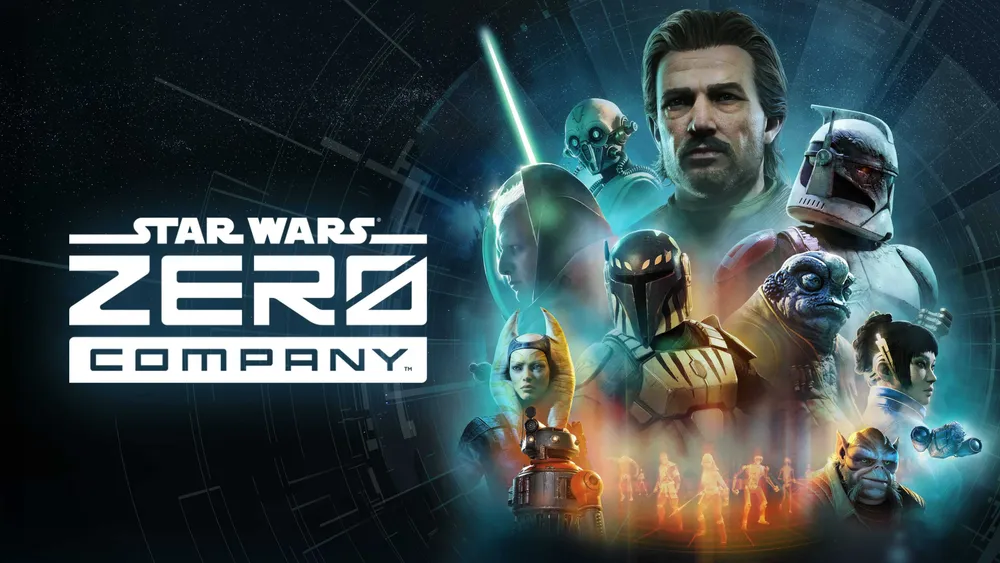
Star Wars Zero Company is a single-player turn-based tactics game set during the Clone Wars, developed by Bit Reactor with Respawn and Lucasfilm Games. The official EA page centers former Republic officer Hawks and a customizable squad assembled from across the galaxy. Bit Reactor has also described the story as linear from beginning to end, as PC Gamer reported. That limitation could help the game focus on the choices tactics express best.
The Clone Wars already has a known historical endpoint. Any campaign inside it must coexist with events larger than one secret unit. Offering a menu that lets Zero Company rewrite the galaxy would not necessarily create meaningful agency; it could make the squad's story feel strangely detached from the setting. A fixed plot can instead ask a more intimate question: what does this group have to sacrifice to complete a mission history may never acknowledge?
Tactical choice writes a local history
A well-designed mission creates decisions that remain visible after the objective is complete. Advancing a vulnerable specialist may finish the battle before reinforcements arrive, but the injury can affect the next deployment. Spending an explosive can save a companion now and leave the squad without an answer later. Choosing a safer route may protect veterans while allowing an enemy asset to escape. None requires a branching cutscene to produce consequence.
Squad composition extends that authorship. A Jedi, clone, droid, smuggler, or Mandalorian-shaped fighter carries mechanical expectations and political baggage. Selecting who enters a mission can change its emotional texture even when the dialogue returns to the same destination. The player creates a version of Zero Company through habits: the operative trusted with impossible shots, the recruit repeatedly left at headquarters, or the partnership that always controls a flank.
Failure states matter too. If every fallen squad member reappears untouched after a retry, tactics become a puzzle with a canonical solution. If losses can persist, the campaign acquires personal continuity. Permanent death is not the only answer; injuries, altered abilities, damaged relationships, or missed opportunities can make a mistake survive without deleting hours of character writing.
Linearity can still become passivity
A fixed story is not automatically focused. It can become a corridor of predetermined battles in which the game praises player agency while resetting every consequence before the next cinematic. If missions always end with the same squad in the same condition, tactical choices affect efficiency rather than meaning. Zero Company needs continuity between encounters to make its linear structure feel authored by more than the screenplay.
Customization can also become decorative. Changing Hawks' appearance or selecting operatives matters little if every squad solves problems identically. Classes need overlapping but distinct tools, and missions should support more than one approach. A stealth-oriented group, aggressive breaching team, and defensive formation should produce different risks without one becoming the obvious universal answer.
The game should also be honest about the limits of choice. Marketing language that promises players will shape the galaxy creates expectations the linear campaign does not intend to satisfy. There is no weakness in offering a carefully paced Star Wars story. The weakness would be borrowing the vocabulary of branching RPGs while delivering choices that only change the color of an effect.

Constraint can strengthen the squad
A linear spine gives Bit Reactor control over escalation, locations, performances, and the relationship between Zero Company and known history. It can ensure that each operative has a meaningful dramatic role instead of producing many thin variants around a branching structure. The player's agency can then concentrate where the systems are deepest: preparation, positioning, resource use, and survival.
For players, this means expectations should focus less on how many endings are listed and more on whether the campaign remembers the battles between them. Does the roster carry scars? Do upgrades reflect a chosen doctrine? Does losing an opportunity change later pressure? Can two people describe the same mission through completely different sequences of rescue and error? Those are meaningful choices even if the final cinematic is shared.
Difficulty and save design will influence whether those stories feel owned. Generous rewinds can help newcomers learn, while optional commitment modes can make consequences persist for players who want that pressure. The game does not need to force one philosophy on everyone. It needs to state the rules clearly enough that a rescue feels like a decision rather than a surprise imposed by a hidden system.
Star Wars Zero Company does not need to let the player rewrite the Clone Wars. It needs to make one hidden corner of that war feel like it could only have been survived by this particular squad. The plot can own the destination. The tactics should let the player own the cost.

Related posts

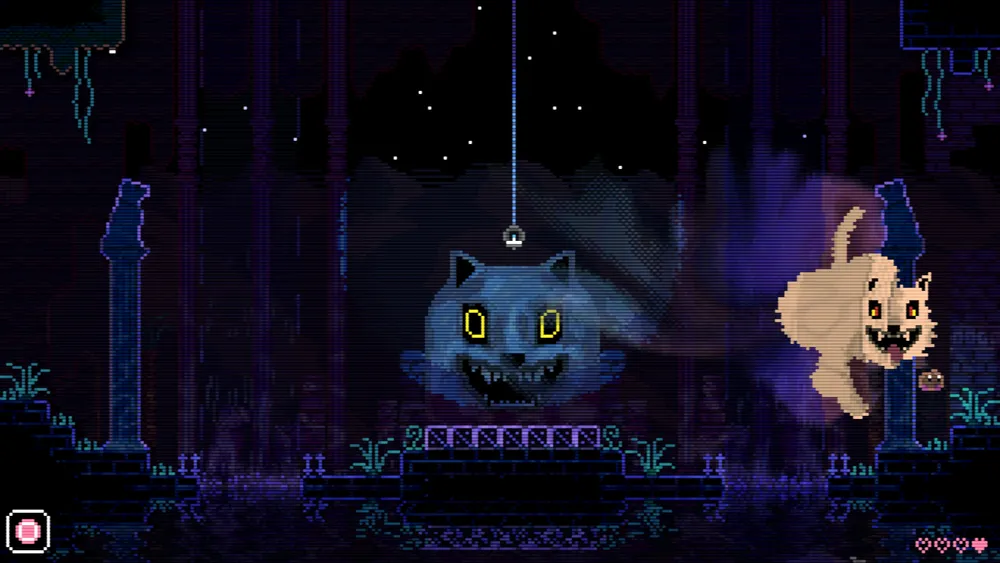
Animal Well Shows How Secrets Can Teach Without Tutorials
Animal Well proves that a game can withhold answers while still teaching players how to notice, test, and share discoveries fairly.
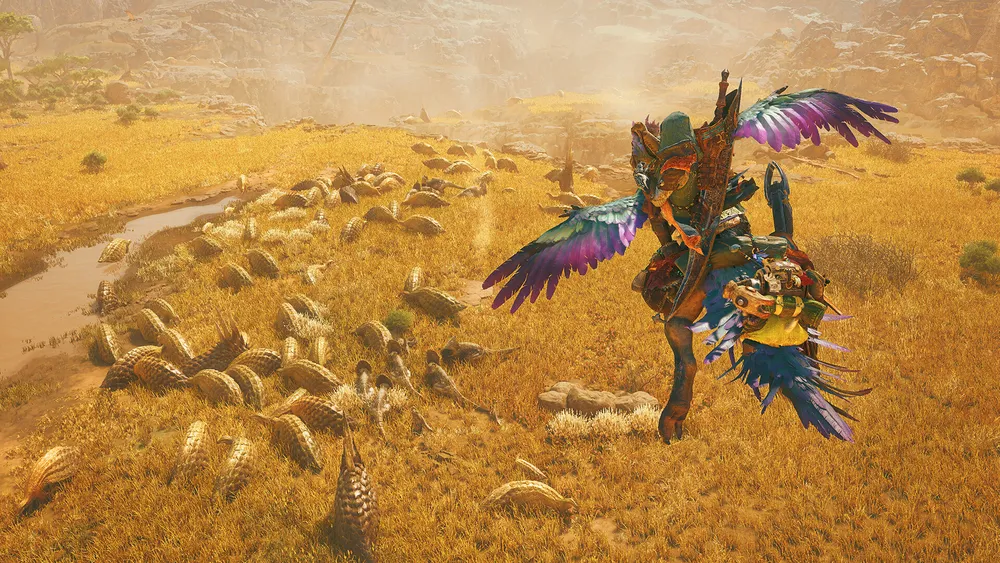
Monster Hunter Wilds Needs a Hunt to Be More Than a DPS Check
Monster Hunter Wilds is at its best when tracking, weather, preparation, and teamwork change a hunt before the damage race begins.
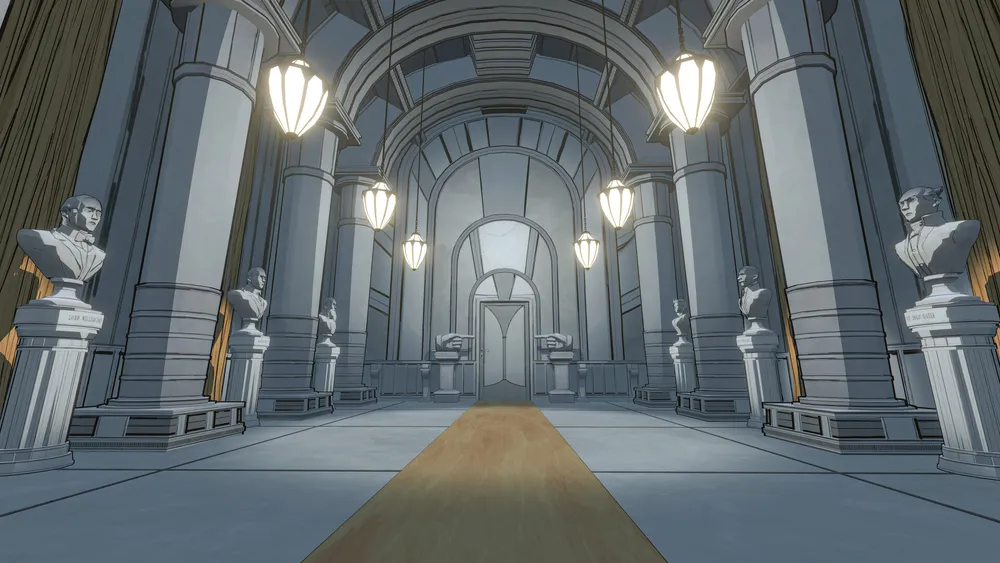
Blue Prince Makes a House Feel Like a Question
Blue Prince turns a changing floor plan into a puzzle about memory, evidence, and deliberate uncertainty. Its rooms matter because discovery is legible without being handed over.

Like a Dragon: Infinite Wealth Makes Side Stories Matter
Like a Dragon: Infinite Wealth understands that optional stories are not spare content. They give an RPG a second language for character, comedy, and place that the main plot cannot always use.