
Sony Is Still Building Live Services, but Volume Cannot Be the Strategy
Sony has not abandoned live-service games after Concord, but that does not mean it is simply repeating the same twelve-game plan. In a June 2026 Famitsu interview, Sony Interactive Entertainment CEO Hideaki Nishino said the company still sees these games as capable of reaching global audiences. Sony's own investor documents provide the necessary counterweight: the company has repeatedly acknowledged uneven execution and the need to control waste.
Nishino's framing leans hard on scale and on supporting both new and older titles over time. Any English wording from that Japanese interview is a Nerdrassil machine translation, not an official English transcript. The underlying position is clear enough without polishing it into a slogan: live service remains one part of PlayStation's portfolio alongside single-player releases.
The wreckage behind the optimism
Concord launched in August 2024 and Sony withdrew it on September 6, stopped sales, and offered refunds. Sony later closed Firewalk Studios. Those are documented outcomes. Claims about a specific sales total, development budget, or a wholesale Destiny 2 wind-down require different evidence and have been removed from this article.
"Relatively new" is doing a lot of work
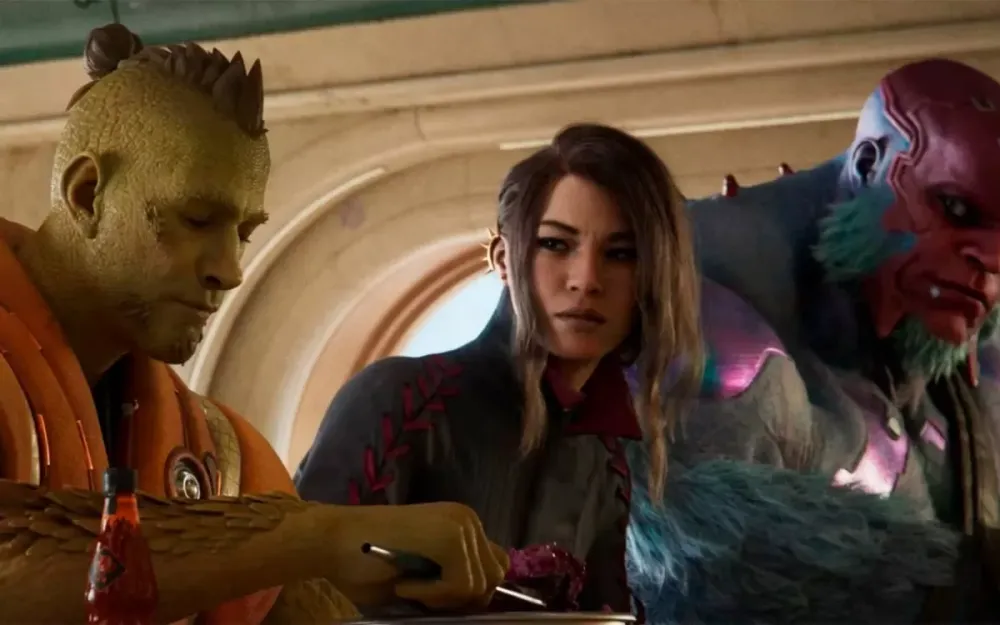
One line from Nishino deserves a harder look. He described live service as a genre that is "relatively new," arguing that "many people are trying various things" and that Sony wants to "continue to take on challenges within that context." Relatively new is generous. Fortnite's battle royale mode arrived in 2017, which makes the modern live service template close to nine years old. In an industry that reinvents itself every console cycle, that is not youthful. It is established, well understood, and already crowded with entrenched winners. Treating it as an open frontier in 2026 is how you spend hundreds of millions launching a hero shooter into a market that already had Overwatch, Valorant, Apex Legends, and Marvel Rivals.
There is an internal tension, but Sony has stated it rather than hidden it. In its FY2025 first-quarter answers, management said the process was not entirely smooth and emphasized lessons, earlier checks, and less waste. The useful question is therefore not whether Sony learned nothing. It is whether those review gates can stop a weak service before years of production turn it into an institutional obligation.
Highguard and the "five Concords" joke
Highguard supplies a later cautionary example. Its official Steam page identifies it as free-to-play and records its shutdown context. That makes an earlier line about it demanding an upfront purchase incorrect. Memes comparing its lifespan with Concord can convey frustration, but they are not a useful unit of analysis. The stronger point is that even removing price friction cannot manufacture a durable audience.
Live service is not the villain. The factory is.
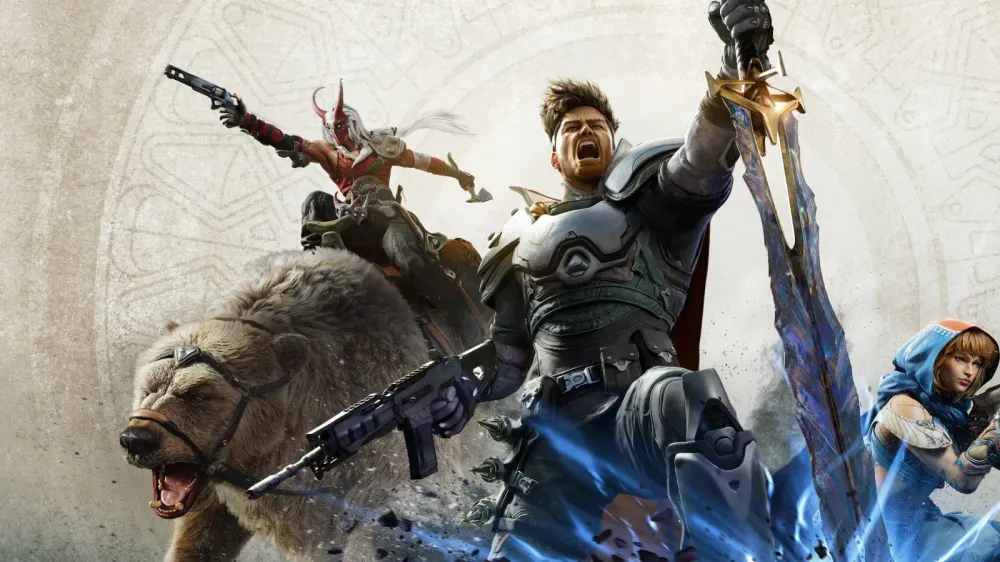
The easy narrative needs some pushback, though. Live service as a model is not the problem, and pretending otherwise ignores the games that make it sing. A well-built live service can be one of the best things in the medium, a world you return to for years instead of a weekend. I have argued exactly that about Elden Ring Nightreign, a game whose structure carries real long-term potential when it is treated as a living thing rather than a spreadsheet. The model isn't broken. The way Sony keeps using it is.
The actual risk is industrial. When a portfolio target comes before a distinctive game, projects can start to look interchangeable even when the teams behind them are not. Concord did not prove that every service is doomed, and Highguard did not prove that free-to-play cannot work. They demonstrated that access and post-launch plans are not substitutes for a reason to form a community around this particular game.
Sony's earlier twelve-release plan was officially reduced to six scheduled launches by the end of the fiscal year ending March 2026, while the remaining projects were reassessed. Describing all of the rest as eight confirmed cancellations was inaccurate. The current strategy is better read as a mixed portfolio with selective live services, as Sony's 2026 Game & Network Services briefing explains. The standard should now be simple: each service must justify its existence before it asks players to reorganize their time around it.

Related posts


Indiana Jones and the Great Circle Understands Adventure Needs Quiet Spaces
An analytical look at how first-person exploration, puzzles, and improvised tools can turn familiar mechanics into choices players can understand and remember.
Split Fiction Shows Co-Op Works When Players Need Different Things
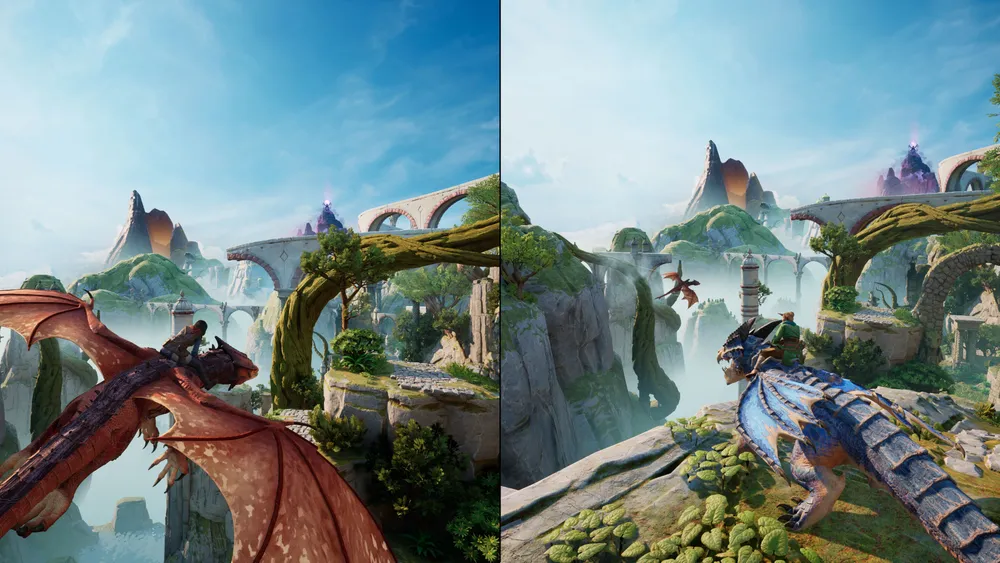
An analytical look at how two writers, split abilities, and asymmetric co-op can turn familiar mechanics into choices players can understand and remember.
DOOM: The Dark Ages Makes a Power Fantasy Stronger With Limits
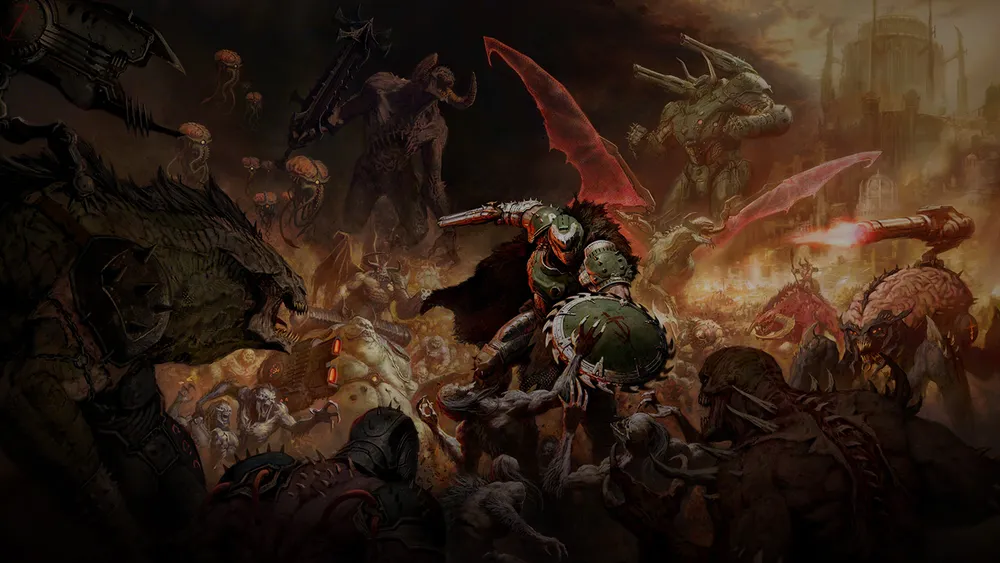
An analytical look at how the Slayer Shield, parries, and deliberate aggression can turn familiar mechanics into choices players can understand and remember.
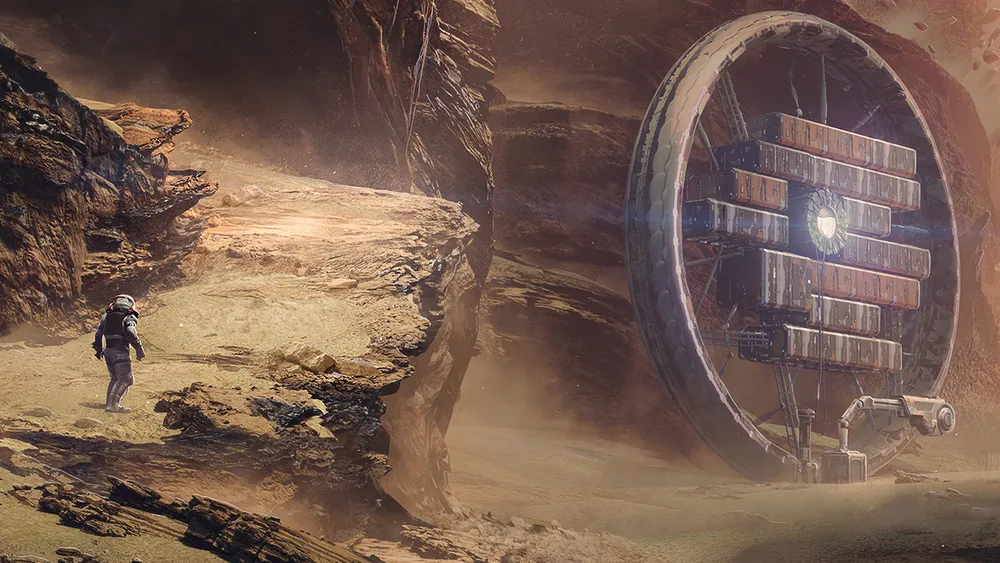
The Alters Knows Survival Games Need a Human Cost
An analytical look at how survival, a mobile base, and alternate versions of Jan can turn familiar mechanics into choices players can understand and remember.