

Games

ActionGames

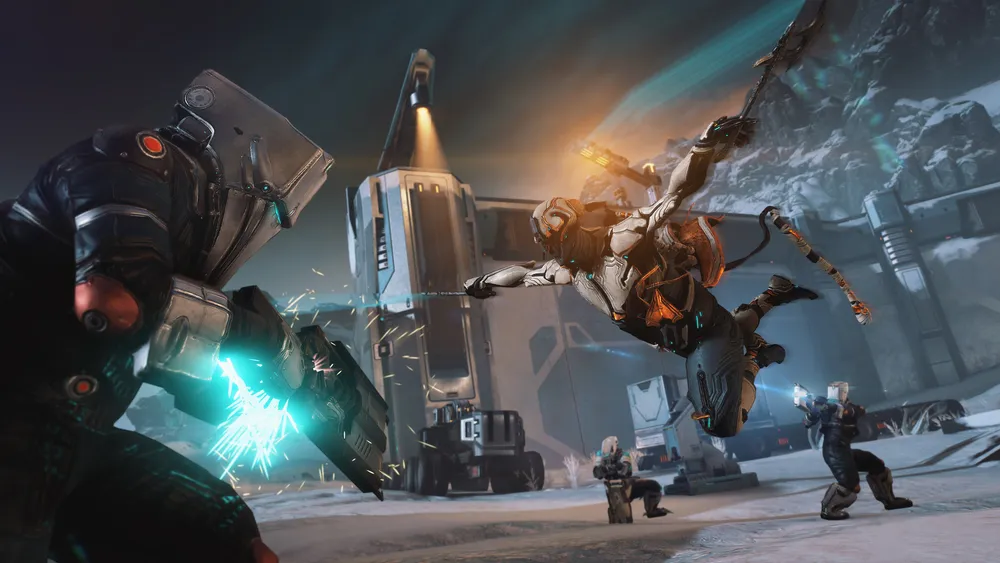
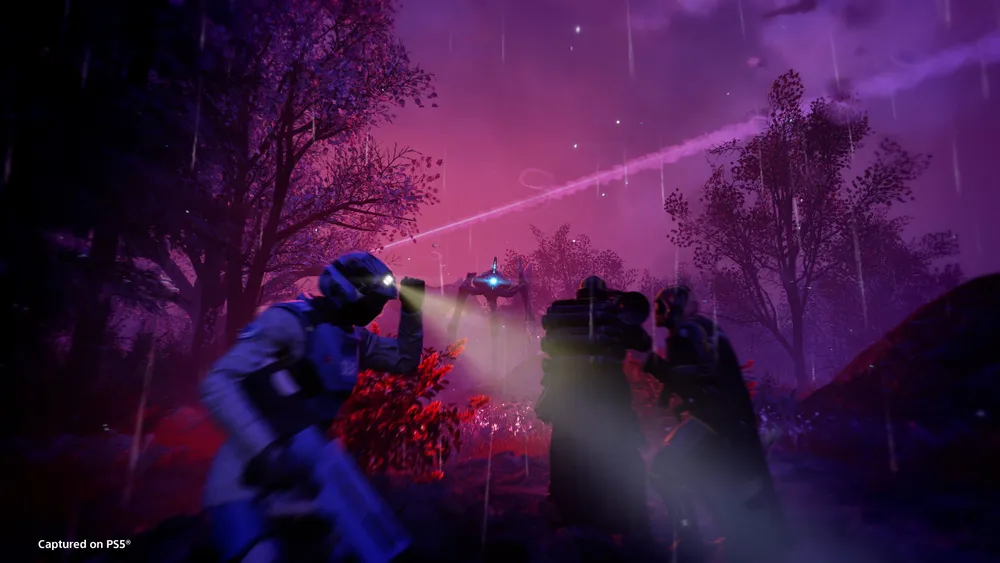
Warframe: 1999 Changes the Mood Without Losing the Game

Warframe: 1999 gives a long-running live game a different city, era, and mood while anchoring the shift in recognizable combat and progression. That is a stronger form of expansion than another stat ladder.

·3 min read
SimulationGames

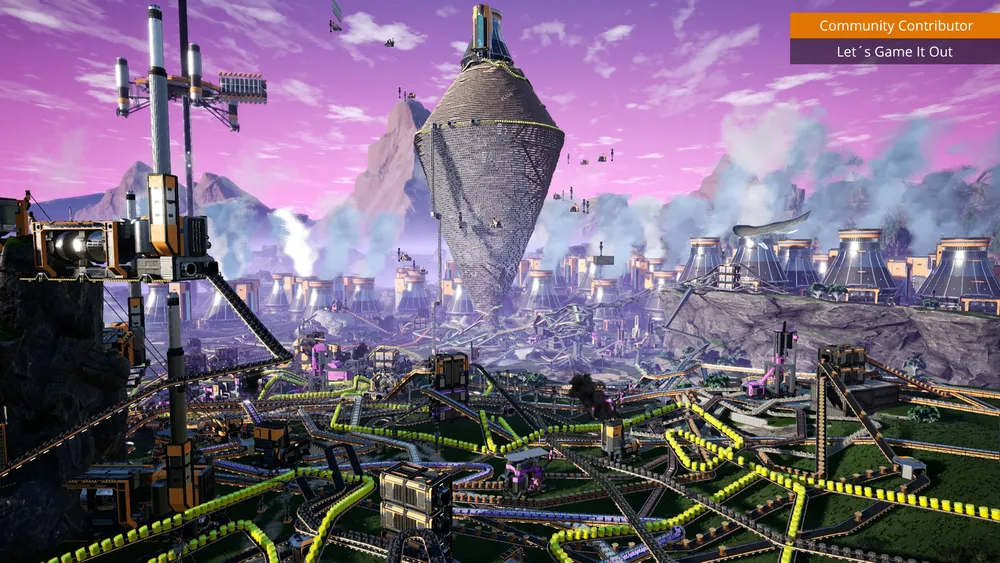
Satisfactory 1.0 Proves Factory Games Need an Ending

Satisfactory's full release shows why endlessly expandable systems still need a conclusion. A finish line gives a factory's complexity direction without stopping players from building beyond it.

·3 min read
MetroidvaniaGames

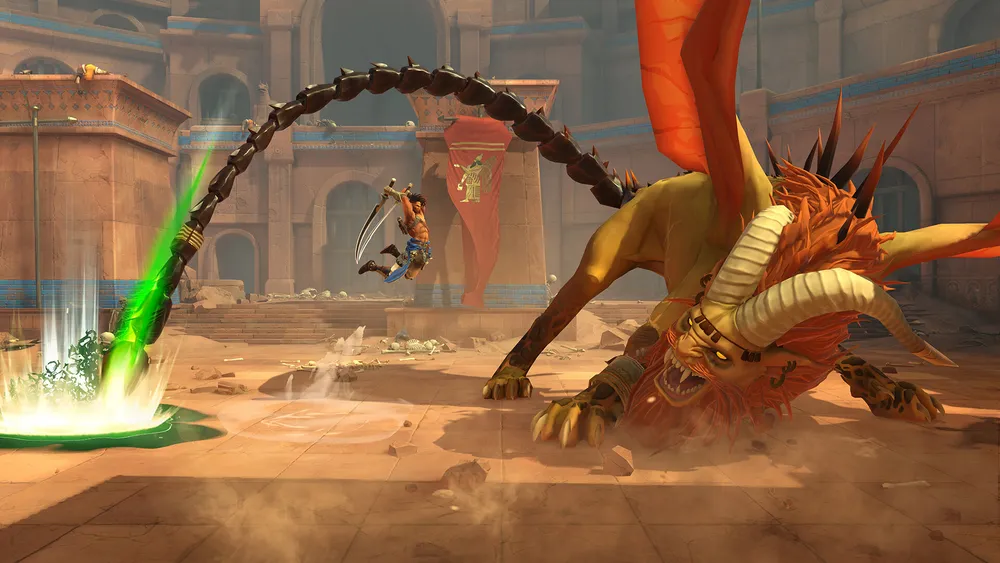
Prince of Persia: The Lost Crown Makes Movement the Map

Prince of Persia: The Lost Crown succeeds as a metroidvania because its movement powers, combat, and route knowledge describe the same space. Progress feels like understanding, not like collecting keys.

·3 min read
SurvivalGames

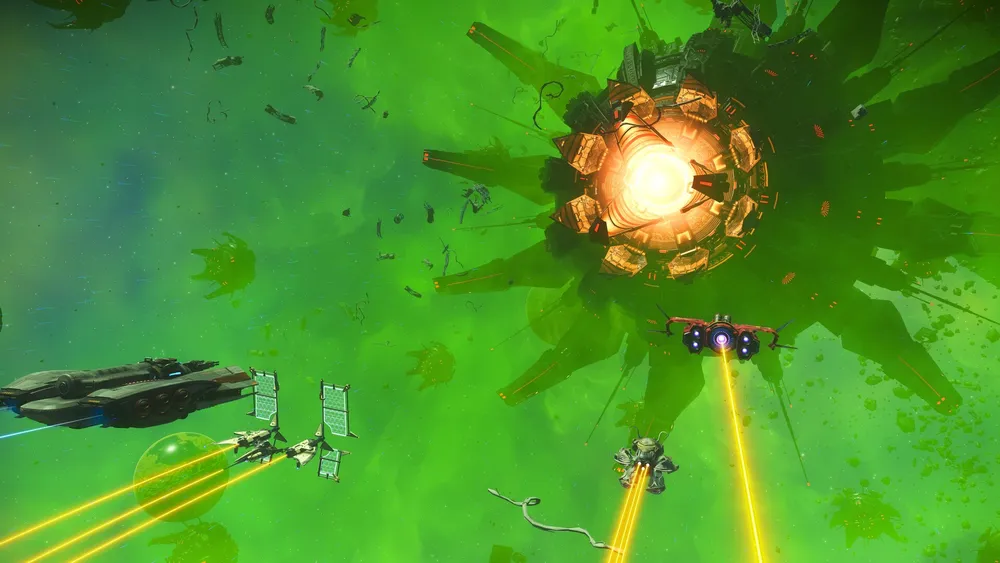
No Man's Sky Updates Work When They Change a Place

No Man's Sky is at its most persuasive when an update changes how a planet feels to cross and remember. Worlds Part II ties new systems to place, atmosphere, and discovery instead of a disconnected checklist.

·3 min read
Third Person ShooterGames

Helldivers 2 Warbonds Should Add Roles, Not Homework

Helldivers 2 is strongest when a Warbond gives squads a different tactical language. New gear should create sidegrades and cooperation, not another permanent checklist or power ladder.

·3 min read
RpgGames

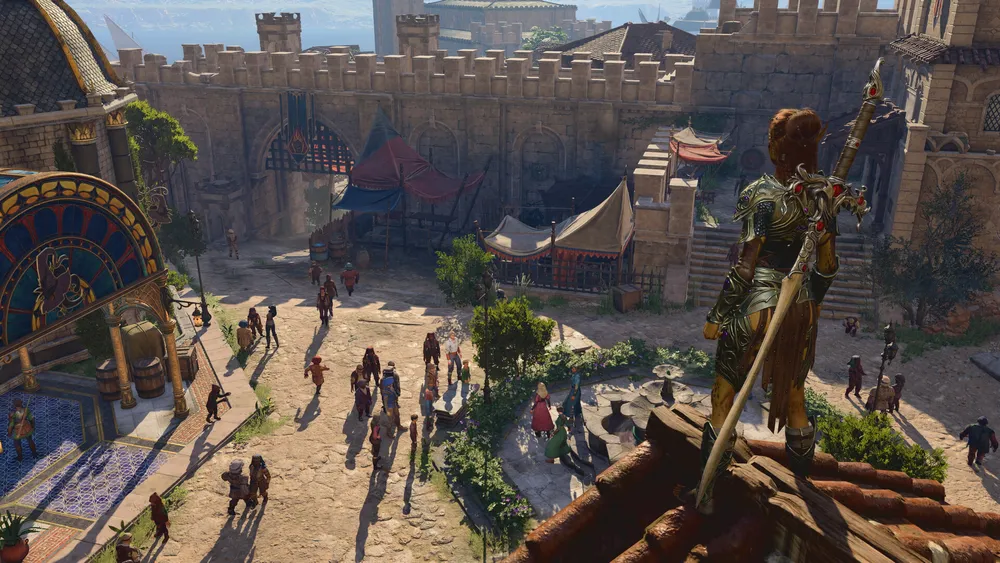
Baldur's Gate 3 Mods Work Best as a Bridge, Not a Wall

Baldur's Gate 3's official mod tools reduce friction for players on PC, Mac, and console. Their value lies in making access clearer without pretending that a curated path can replace open modding.

·3 min read
RoguelikeGames

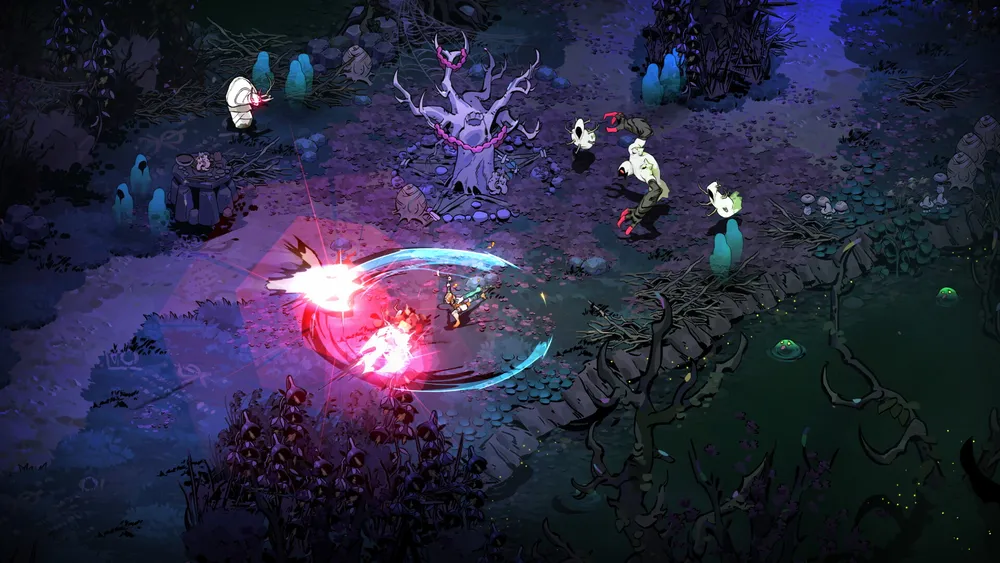
Hades II Shows Why a Sequel Needs Its Own Ending

Hades II does more than make its predecessor's loop larger. Its final version gives Melinoe's campaign a different dramatic reason to keep running, which is the harder job for any roguelike sequel.

·3 min read